
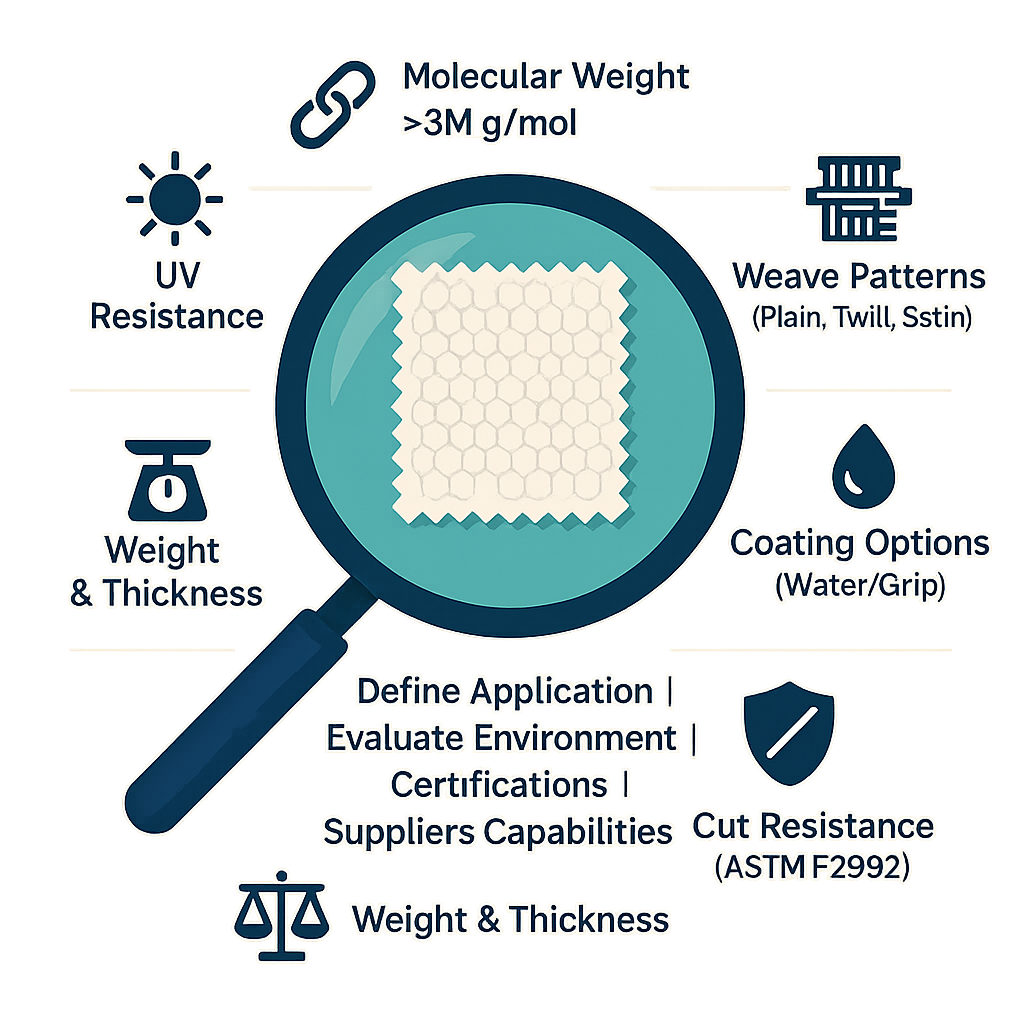
Product Structure and Available Forms
Understanding the structure and forms of UHMWPE (Ultra High Molecular Weight Polyethylene) cut resistant fabric is crucial for making informed decisions in material selection. This fabric is known for its exceptional strength-to-weight ratio, durability, and resistance to abrasion, making it a popular choice in various industrial applications.
Key Technical Points
- Molecular Weight: UHMWPE has a molecular weight exceeding 3 million g/mol, contributing to its high tensile strength and cut resistance.
- Weave Patterns: The fabric can be produced in various weave patterns, including plain, twill, and satin, each offering different levels of flexibility and protection.
- Coating Options: Some UHMWPE fabrics come with coatings to enhance water resistance or add additional grip, which can be essential for specific applications.
Application and Sourcing Considerations
When sourcing UHMWPE cut resistant fabric, consider the specific requirements of your application. Factors such as environmental conditions, exposure to chemicals, and required durability will influence the choice of fabric type and structure.
Buyer Checklist Before Sampling
- Define the specific application and performance requirements.
- Evaluate the environmental conditions the fabric will be exposed to.
- Consider the necessary certifications for safety and compliance.
- Identify potential suppliers and their capabilities in customization.
Key Specifications and Test Items
Before finalizing your choice of UHMWPE cut resistant fabric, it is essential to understand the key specifications and test items that will impact performance in real-world applications.
Key Technical Points
- Cut Resistance Levels: Fabrics are often rated based on cut resistance tests, such as ASTM F2992, which provides a standardized measure of performance.
- Weight and Thickness: The weight and thickness of the fabric can affect its flexibility and comfort, especially in wearable applications.
- UV Resistance: Consideration of UV resistance is important for outdoor applications, as prolonged exposure can degrade material properties.
Application and Sourcing Considerations
Different applications may require different specifications. For instance, a fabric used in personal protective equipment (PPE) may need to meet stricter cut resistance standards compared to one used in industrial packaging.
Buyer Checklist Before Sampling
- Review relevant industry standards and certifications.
- Assess the fabric’s performance in specific tests relevant to your application.
- Consider the supplier’s ability to provide test results and certifications.
Common End Uses and Industries
UHMWPE cut resistant fabric is utilized across various industries due to its unique properties. Understanding these applications can help in making informed sourcing decisions.
Typical Industries Using This Material
- Manufacturing: Used in protective clothing and equipment for workers handling sharp objects.
- Aerospace: Employed in lightweight, durable components that require high strength.
- Automotive: Utilized in protective gear and components that require cut resistance.
Why Engineers and Buyers Choose It
Engineers and buyers often opt for UHMWPE cut resistant fabric due to its superior performance characteristics, including high tensile strength, lightweight nature, and excellent abrasion resistance. These properties make it suitable for applications where safety and durability are paramount.
When Another Material May Be Better
While UHMWPE is highly effective in many scenarios, there are instances where other materials may be more appropriate. For example, in environments with high temperatures, materials like aramid fibers may offer better thermal resistance.
Customization Options
Customization can significantly enhance the performance of UHMWPE cut resistant fabric for specific applications. Understanding the available options is vital for achieving the desired outcomes.
Key Technical Points
- Fabric Weight: Custom weights can be specified to balance between protection and comfort.
- Color and Coating: Custom colors and coatings can be applied for branding or functional purposes.
- Weave Customization: Different weave patterns can be tailored to meet specific flexibility and strength requirements.
Application and Sourcing Considerations
When considering customization, it is essential to communicate your specific needs to potential suppliers. This ensures that the final product aligns with your application requirements.
Buyer Checklist Before Sampling
- Identify specific customization needs based on application.
- Discuss customization capabilities with potential suppliers.
- Request samples of customized options to evaluate performance.
Sampling, Qualification, and Order Workflow
The process of sampling and qualification is critical in ensuring that the selected UHMWPE cut resistant fabric meets your application needs. Understanding this workflow can streamline decision-making.
Key Technical Points
- Sampling Process: Request samples from multiple suppliers to compare performance and characteristics.
- Qualification Testing: Conduct necessary tests to validate the fabric’s performance against your requirements.
- Feedback Loop: Establish a feedback loop with suppliers to address any issues during the sampling phase.
Application and Sourcing Considerations
Be prepared to iterate on your specifications based on the results of sampling and testing. This iterative approach can lead to better alignment with your application needs.
Buyer Checklist Before Sampling
- Define the testing criteria for qualification.
- Document results from sampling and testing for future reference.
- Engage with suppliers to discuss potential adjustments based on test outcomes.
How to Compare Offers from Different Suppliers
Comparing offers from various suppliers can be challenging, especially when it comes to technical materials like UHMWPE cut resistant fabric. A structured approach can help in making informed decisions.
Key Technical Points
- Performance Metrics: Compare the performance metrics of the fabrics, including cut resistance ratings and durability.
- Cost vs. Value: Assess the cost in relation to the value provided by the fabric in your specific application.
- Supplier Reputation: Evaluate the supplier’s reputation in the industry, including their ability to meet delivery timelines and quality standards.
Application and Sourcing Considerations
Consider the long-term implications of your choice, including potential costs associated with failures or subpar performance in your application.
Buyer Checklist Before Sampling
- Compile a comparison matrix of offers from different suppliers.
- Engage in discussions with suppliers to clarify any ambiguities in their offers.
- Consider seeking third-party evaluations or testimonials regarding fabric performance.
In conclusion, the process of selecting UHMWPE cut resistant fabric involves careful consideration of various factors, from technical specifications to application-specific requirements. By utilizing this sampling checklist, buyers can make informed decisions that align with their operational needs, ensuring that the chosen fabric not only meets but exceeds performance expectations.
Ultimately, understanding the nuances of UHMWPE cut resistant fabric will empower decision-makers to navigate the complexities of material selection effectively, leading to better outcomes in their respective industries.