
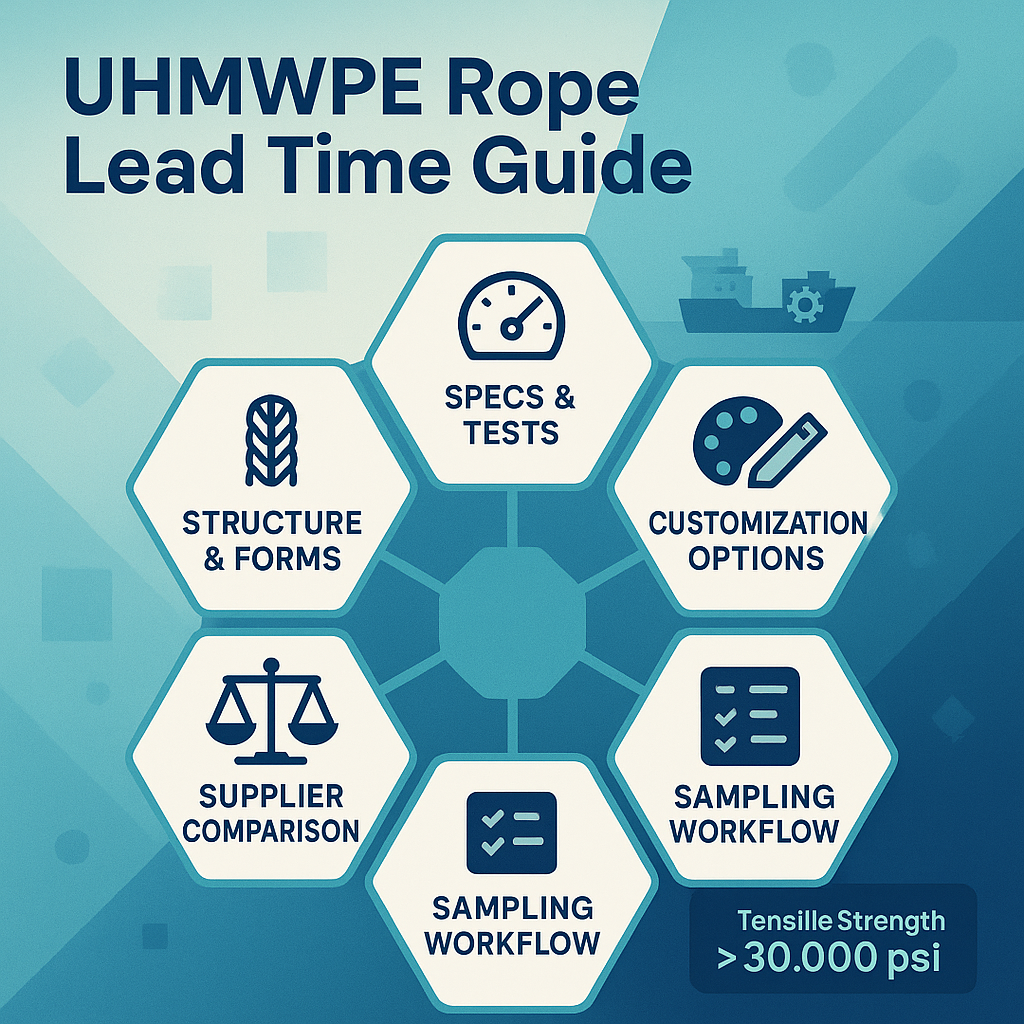
Product Structure and Available Forms
Understanding the structure and forms of UHMWPE braided rope is essential for making informed decisions regarding its applications and sourcing. UHMWPE, or Ultra-High Molecular Weight Polyethylene, is known for its exceptional strength-to-weight ratio and durability, making it a preferred choice in various industries.
Key Technical Points
UHMWPE braided rope typically consists of multiple strands of UHMWPE fibers woven together. This braided structure enhances flexibility and strength, allowing the rope to withstand high loads while maintaining a lightweight profile. Key technical points to consider include:
- Tensile Strength: UHMWPE braided ropes can exhibit tensile strengths exceeding 30,000 psi, making them suitable for heavy-duty applications.
- Low Stretch: The low elongation properties ensure that the rope maintains its integrity under load, which is crucial in applications requiring precision.
- UV Resistance: Many UHMWPE ropes are treated for UV resistance, extending their lifespan when exposed to sunlight.
Application and Sourcing Considerations
When sourcing UHMWPE braided rope, it’s important to consider the specific application requirements. Different industries may require varying specifications, such as diameter, length, and color coding for identification. Understanding the intended use will guide the selection process and ensure optimal performance.
Buyer Checklist Before Sampling
- Define the specific application and load requirements.
- Determine the necessary diameter and length of the rope.
- Consider environmental factors such as exposure to chemicals or UV light.
- Evaluate the need for additional features, such as color coding or specific coatings.
Key Specifications and Test Items
Before finalizing a purchase, understanding the key specifications and test items for UHMWPE braided rope is vital. This ensures that the product meets the necessary performance criteria for its intended application.
Key Technical Points
Specifications typically include:
- Diameter: Common diameters range from 1/8 inch to several inches, depending on the application.
- Breaking Strength: It’s essential to know the breaking strength to ensure safety and reliability.
- Weight: The weight of the rope can influence handling and performance in specific applications.
Application and Sourcing Considerations
Different applications may require different specifications. For instance, marine applications may prioritize UV resistance and saltwater durability, while industrial applications might focus on tensile strength and abrasion resistance. When sourcing, consider the supplier’s ability to meet these specific requirements.
Buyer Checklist Before Sampling
- Review the specifications against your application needs.
- Request test results or certifications from the supplier.
- Ensure the supplier can provide the necessary customization options.
Common End Uses and Industries
UHMWPE braided rope is utilized across various industries due to its unique properties. Understanding these applications can help buyers make informed decisions.
Typical Industries Using This Material
- Marine: Used for mooring lines, towing, and rigging due to its resistance to saltwater and UV.
- Aerospace: Employed in applications requiring lightweight yet strong materials.
- Construction: Utilized for lifting and rigging in heavy machinery operations.
- Sports and Recreation: Common in climbing, sailing, and other outdoor activities.
Why Engineers and Buyers Choose It
Engineers and buyers often opt for UHMWPE braided rope due to its superior strength, lightweight nature, and resistance to environmental factors. These properties make it an ideal choice for applications where performance and reliability are critical.
When Another Material May Be Better
While UHMWPE braided rope offers numerous advantages, there are instances where other materials may be more suitable. For example, if cost is a primary concern, polyester ropes may provide a more economical option for less demanding applications. Additionally, in environments where heat resistance is crucial, aramid fibers might be preferred.
Customization Options
Customization is often necessary to meet specific application requirements. Understanding the available options can help buyers make more informed decisions.
Key Technical Points
Customization options for UHMWPE braided rope may include:
- Diameter and Length: Tailoring the rope to fit specific applications.
- Color Coding: Useful for identification and safety in multi-rope applications.
- Coatings: Additional coatings can enhance properties such as abrasion resistance or UV protection.
Application and Sourcing Considerations
When considering customization, it’s essential to communicate your specific needs to the supplier. This ensures that the final product aligns with your application requirements.
Buyer Checklist Before Sampling
- Identify the necessary customization features.
- Discuss options with potential suppliers to understand feasibility.
- Request samples of customized options to evaluate performance.
Sampling, Qualification, and Order Workflow
Understanding the sampling and qualification process is crucial for ensuring that the UHMWPE braided rope meets your specifications before placing a larger order.
Key Technical Points
The sampling process typically involves:
- Requesting samples based on your defined specifications.
- Conducting performance tests to verify that the rope meets your requirements.
- Reviewing supplier documentation and certifications.
Application and Sourcing Considerations
During the qualification phase, consider the supplier’s ability to consistently provide quality products. This may involve assessing their production capabilities and quality control processes.
Buyer Checklist Before Sampling
- Define the testing criteria for the samples.
- Establish a timeline for testing and evaluation.
- Communicate your expectations clearly to the supplier.
How to Compare Offers from Different Suppliers
When evaluating offers from various suppliers, a structured approach can help ensure you make the best choice for your needs.
Key Technical Points
Consider the following when comparing offers:
- Specifications: Ensure that the specifications match your requirements.
- Price: While cost is important, consider the value offered in terms of quality and service.
- Lead Time: Assess the supplier’s ability to meet your timeline.
Application and Sourcing Considerations
Different suppliers may have varying strengths, such as specialized knowledge in certain applications or superior customer service. Evaluate these factors alongside the technical specifications.
Buyer Checklist Before Sampling
- List the key criteria for your decision-making process.
- Rank suppliers based on how well they meet your criteria.
- Consider reaching out for clarification on any points of confusion.
Conclusion
Understanding the lead time for UHMWPE braided rope involves a comprehensive evaluation of product structure, specifications, applications, and supplier capabilities. By following the outlined considerations and checklists, buyers can make informed decisions that align with their project requirements. This guide serves as a resource for navigating the complexities of sourcing UHMWPE braided rope, ensuring that your selections are both practical and effective.