
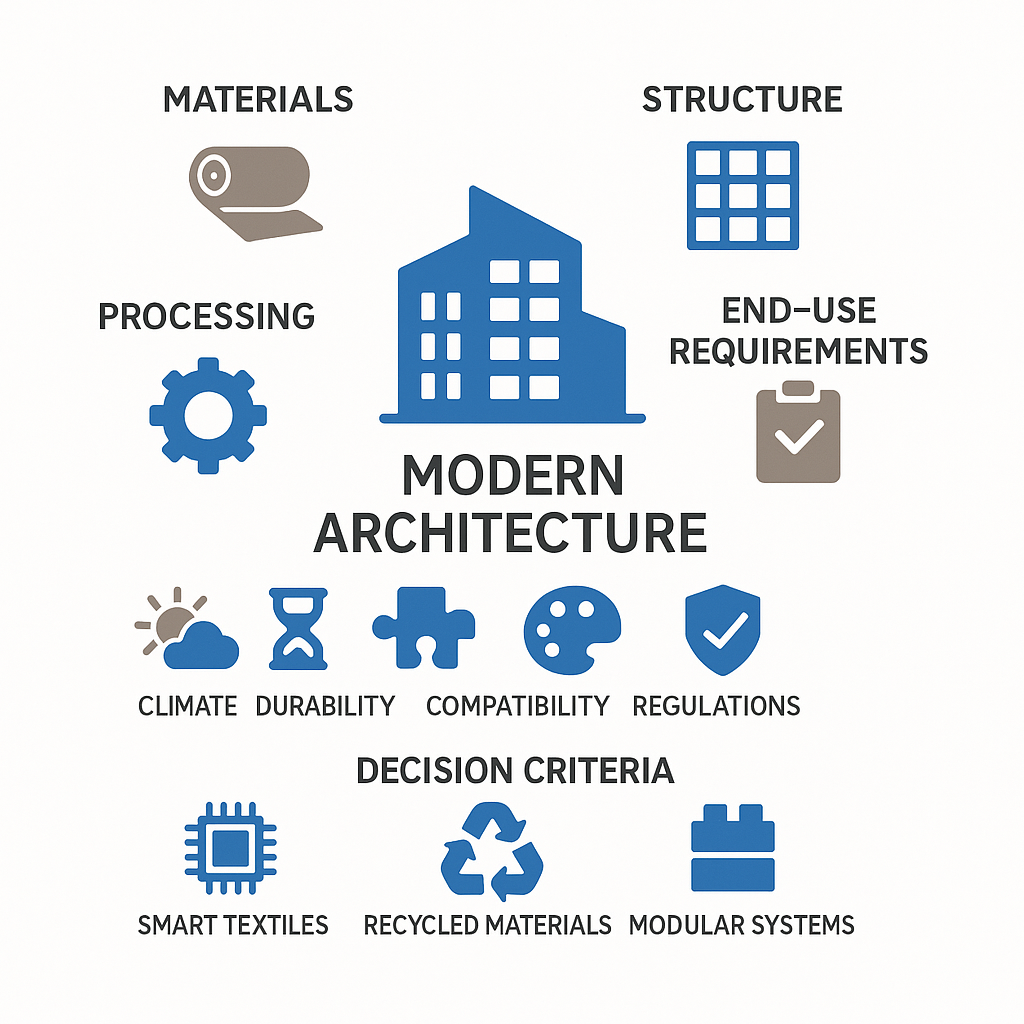
The Bigger Picture Behind Construction Textiles
Textile facades have emerged as a significant innovation in modern architecture, blending aesthetics with functionality. As urban environments evolve, the demand for materials that not only enhance visual appeal but also provide practical benefits is on the rise. This textile facades guide delves into the intricacies of construction textiles, exploring how they can be leveraged to create structures that are both striking and efficient.
Understanding the broader context of construction textiles is crucial. These materials are not merely decorative; they serve vital roles in energy efficiency, weather resistance, and acoustics. As architects and builders increasingly prioritize sustainability, the integration of textile facades into building designs is becoming more prevalent.
How Materials, Structure, and Processing Affect Results
The performance of textile facades is heavily influenced by the materials used, their structural design, and the processing techniques employed. Each of these elements plays a critical role in determining the overall effectiveness of the facade.
Why One Specification Never Tells the Full Story
When evaluating textile materials, it’s tempting to rely solely on specifications such as tensile strength or UV resistance. However, these figures often do not capture the complete picture. For instance, a high tensile strength may not be beneficial if the material lacks flexibility, which is essential for certain applications. Additionally, the interaction between different materials can lead to unexpected results, making it imperative to consider the entire system rather than isolated properties.
Moreover, processing methods can significantly alter the characteristics of a textile. For example, coatings can enhance water resistance but may also affect breathability. Understanding these trade-offs is essential for making informed decisions.
How to Compare Options by End-Use Requirements
When selecting textile facades, it’s crucial to align material properties with the specific requirements of the project. This involves a thorough understanding of the intended use and environmental conditions.
Questions Worth Asking Before Sourcing
- What are the environmental conditions? Consider factors such as climate, exposure to UV radiation, and potential for moisture accumulation.
- What is the expected lifespan of the facade? Different materials offer varying durability, which can impact long-term maintenance costs.
- How will the facade interact with other building materials? Understanding compatibility can prevent issues related to adhesion, thermal expansion, and moisture management.
- What aesthetic goals are prioritized? The visual impact of a textile facade can vary widely based on color, texture, and pattern.
- What are the regulatory requirements? Compliance with local building codes and standards is essential for successful project execution.
By addressing these questions, decision-makers can better navigate the complexities of sourcing construction textiles and ensure that their selections align with project goals.
Examples, Trends, and What to Watch Next
The landscape of textile facades is continually evolving, with innovations and trends shaping the future of construction textiles. Notable examples include:
- Smart Textiles: Integrating technology into textiles to monitor environmental conditions and enhance building performance.
- Recycled Materials: A growing trend towards sustainability, with textiles made from recycled fibers gaining traction.
- Modular Systems: Prefabricated textile systems that allow for quicker installation and greater design flexibility.
As these trends develop, it’s essential for architects, engineers, and builders to stay informed about new materials and technologies. This awareness will aid in making strategic decisions that enhance both the functionality and aesthetic appeal of textile facades.
Conclusion
In summary, the selection of textile facades involves a multifaceted approach that considers material properties, structural design, and end-use requirements. By asking the right questions and understanding the implications of various choices, decision-makers can ensure that their projects not only meet aesthetic goals but also perform effectively in real-world conditions.
As the industry continues to evolve, staying abreast of emerging trends and technologies will be crucial for leveraging the full potential of construction textiles. This textile facades guide serves as a foundational resource for navigating these complexities, ultimately contributing to more informed and effective design decisions.