
What does recycled sewing thread uses mean in sewing thread applications?
As the textile industry increasingly prioritizes sustainability, understanding recycled sewing thread uses becomes essential for manufacturers and sourcing teams. Recycled sewing threads are made from post-consumer or post-industrial waste, offering an eco-friendly alternative to traditional threads. This article delves into the definition, significance, and practical applications of recycled sewing threads, helping you make informed decisions in your sourcing processes.
Basic definition
Recycled sewing thread refers to threads produced from recycled materials, primarily polyester or nylon. These threads retain the essential characteristics of their virgin counterparts while providing an environmentally responsible option. The recycling process typically involves breaking down the original material into smaller fibers, which are then spun into new threads.
Why it matters in sewing performance
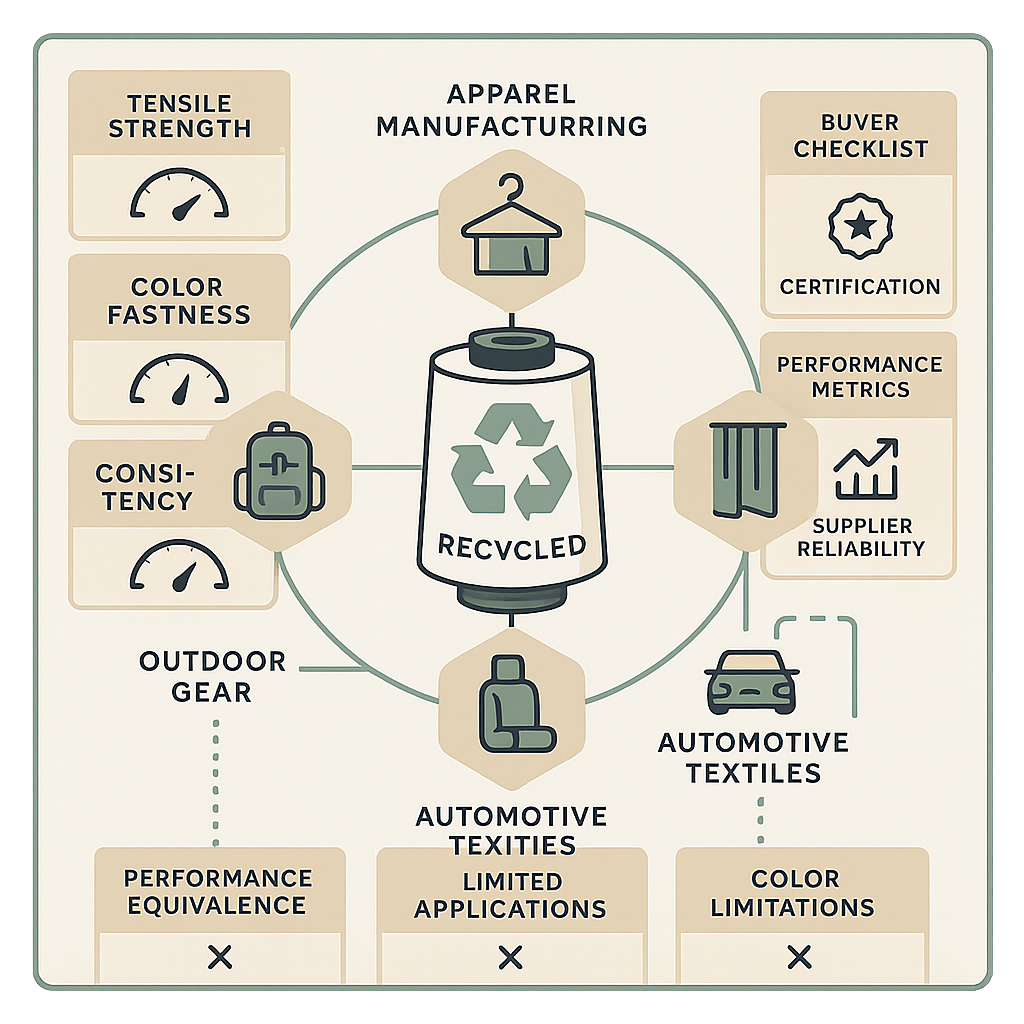
Understanding recycled sewing thread uses is crucial for evaluating sewing performance. While recycled threads can match the strength and durability of traditional threads, their performance can vary based on the recycling process and the quality of the raw materials used. Key performance factors include:
- Tensile strength: The ability of the thread to withstand tension without breaking.
- Colorfastness: The resistance of the thread to fading or running when exposed to washing or sunlight.
- Consistency: Uniformity in thickness and texture, which affects sewing behavior.
These factors are vital for ensuring the longevity and quality of the final product.
Where is recycled sewing thread uses used?
Recycled sewing threads find applications across various sectors, driven by the growing demand for sustainable practices. Here are some common uses:
Common sewing thread products or applications
- Apparel manufacturing: Many clothing brands are adopting recycled threads to enhance their sustainability profiles.
- Home textiles: Items like curtains, upholstery, and bedding often utilize recycled threads for both aesthetic and environmental benefits.
- Outdoor gear: Products such as tents, backpacks, and jackets benefit from the durability of recycled threads.
- Automotive textiles: Recycled threads are increasingly used in car interiors, contributing to eco-friendly vehicle production.
What buyers usually check
When sourcing recycled sewing threads, buyers typically consider several factors:
- Certification: Look for certifications that verify the recycled content and sustainability of the thread.
- Performance metrics: Assess tensile strength, colorfastness, and other performance characteristics relevant to the intended application.
- Supplier reliability: Evaluate the supplier’s track record in delivering consistent quality and meeting delivery timelines.
How to evaluate recycled sewing thread uses
Proper evaluation of recycled sewing threads is essential for ensuring they meet the specific needs of your projects. Here are some key points to consider:
Key points on a specification sheet
- Material composition: Ensure the thread’s recycled content is clearly stated.
- Physical properties: Check for details on tensile strength, elongation, and other relevant metrics.
- Color options: Review available colors and dyeing processes to ensure they meet your aesthetic requirements.
- Environmental impact: Look for information on the environmental benefits of using recycled materials.
Common misunderstandings
Several misconceptions can cloud the understanding of recycled sewing thread uses:
- Performance equivalence: Some believe recycled threads are inferior to virgin threads. However, many recycled options can match or exceed traditional threads in performance.
- Limited applications: There’s a notion that recycled threads are only suitable for low-end products. In reality, they are increasingly used in high-quality, premium applications.
- Color limitations: While there may be fewer color options initially, advancements in dyeing techniques are expanding the palette available for recycled threads.
Practical takeaway for sourcing teams
For sourcing teams, understanding when and how to utilize recycled sewing thread is key to making informed decisions. Here are some practical guidelines:
When to ask for samples
Request samples when:
- Evaluating a new supplier’s offerings.
- Testing the thread’s performance in specific applications.
- Assessing colorfastness and aesthetic compatibility with your product line.
When another thread type may fit better
Consider alternative thread types when:
- Your application requires exceptionally high performance that recycled threads may not meet.
- Specific aesthetic qualities are needed that are not available in recycled options.
- Cost constraints make it necessary to explore other materials.
In conclusion, understanding recycled sewing thread uses is vital for making informed decisions in the textile industry. By evaluating performance metrics, application suitability, and sourcing considerations, teams can effectively integrate recycled threads into their product lines, contributing to a more sustainable future.