
What does polyester filament yarn properties mean in sewing thread applications?
Understanding polyester filament yarn properties is essential for anyone involved in the selection of sewing threads. These properties directly influence the performance, durability, and suitability of threads for various sewing applications. In this article, we will explore what these properties entail, why they matter, and how they can guide your sourcing decisions.
Basic definition
Polyester filament yarn is made from long continuous strands of polyester fibers. Unlike spun yarns, which are created from shorter fibers twisted together, filament yarns provide a smoother and more uniform structure. This uniformity results in specific characteristics that can significantly affect sewing performance.
Why it matters in sewing performance
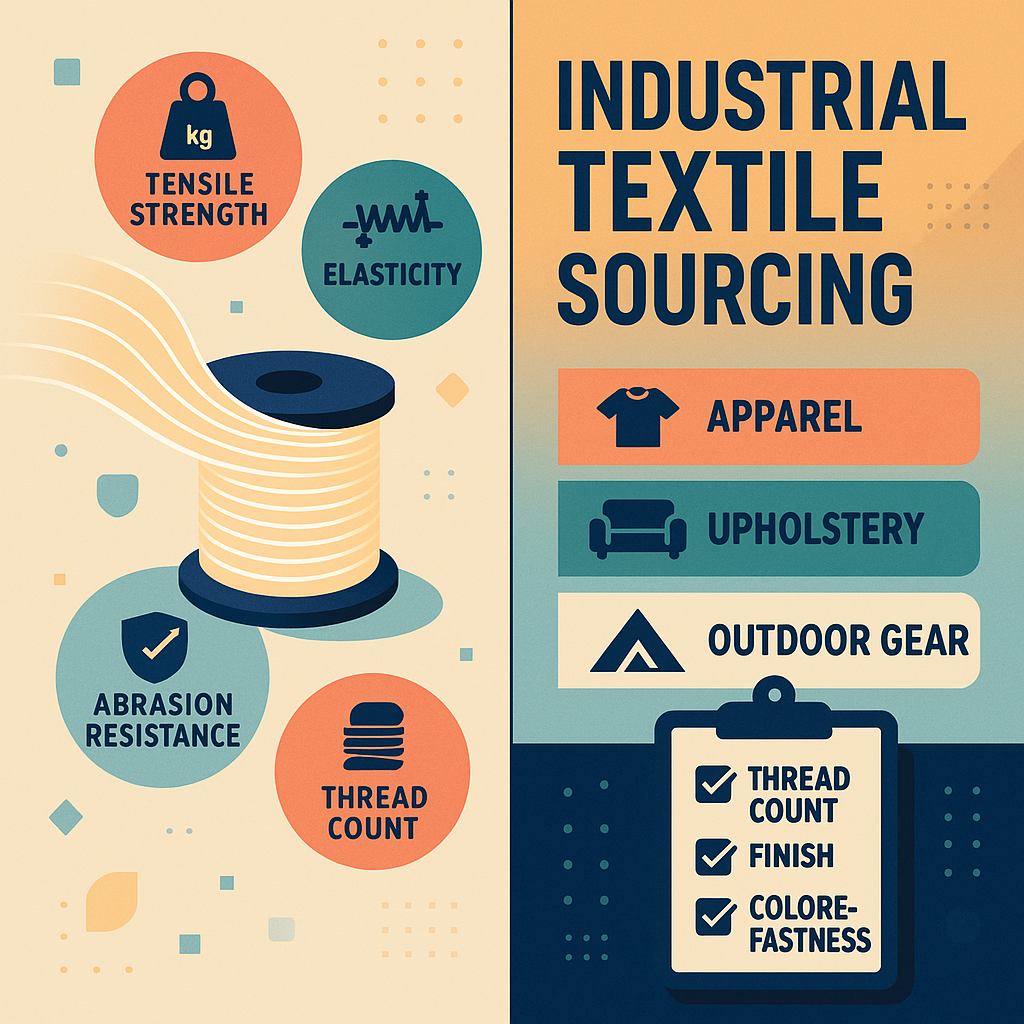
The properties of polyester filament yarn, such as tensile strength, elasticity, and resistance to abrasion, play a crucial role in determining how well a thread performs during sewing. For example:
- Tensile strength: High tensile strength ensures that the thread can withstand the stresses of sewing without breaking.
- Elasticity: Good elasticity allows the thread to stretch without losing its original shape, which is vital for applications requiring flexibility.
- Resistance to abrasion: Threads that resist wear and tear are essential for high-use applications, ensuring longevity and durability.
Where is polyester filament yarn properties used?
Polyester filament yarns are versatile and find applications across various industries. Understanding where these properties are utilized can help in selecting the right thread for specific needs.
Common sewing thread products or applications
Some common applications of polyester filament yarn include:
- Apparel: Used in garments that require durability and a smooth finish.
- Upholstery: Ideal for furniture and automotive upholstery due to its strength and resistance to fading.
- Outdoor gear: Suitable for products exposed to harsh weather conditions, as it resists moisture and UV rays.
What buyers usually check
When sourcing polyester filament yarn, buyers typically evaluate the following:
- Thread count: A higher thread count often indicates better quality and strength.
- Finish: The type of finish applied can affect the thread’s performance, such as its ability to glide through fabric.
- Colorfastness: Ensures that the color remains vibrant even after multiple washes.
How to evaluate polyester filament yarn properties
Evaluating the properties of polyester filament yarn involves understanding the specifications provided by suppliers and recognizing common misconceptions.
Key points on a specification sheet
A specification sheet for polyester filament yarn should include:
- Tensile strength: Measured in grams per denier, this indicates how much force the thread can withstand.
- Elongation: The percentage of stretch before breaking, which helps assess elasticity.
- Denier: A unit of measurement that indicates the thickness of the yarn; lower denier means finer yarn.
Common misunderstandings
There are several misconceptions regarding polyester filament yarn properties:
- All polyester threads are the same: Different manufacturing processes and finishes can lead to significant variations in performance.
- Higher strength always means better quality: While strength is important, other factors like flexibility and finish also play critical roles.
Practical takeaway for sourcing teams
For sourcing teams, understanding polyester filament yarn properties can streamline the selection process and enhance product quality.
When to ask for samples
Requesting samples is advisable when:
- You are evaluating a new supplier or product line.
- You need to test the thread in specific sewing applications to assess performance.
When another thread type may fit better
While polyester filament yarn is versatile, there are scenarios where other thread types may be more suitable:
- For high-temperature applications: Consider nylon threads, which may offer better heat resistance.
- For natural fiber blends: Cotton threads may be preferable for applications requiring breathability and softness.
In conclusion, understanding the polyester filament yarn properties is vital for making informed decisions in sewing thread selection. By evaluating these properties and their applications, sourcing teams can ensure they choose the right thread for their specific needs, ultimately enhancing the quality and durability of their products.