
What does needle size matching properties mean in sewing thread applications?
Understanding needle size matching properties is essential for anyone involved in sewing thread selection. The right needle size can significantly influence the performance of the thread and the overall quality of the finished product. This article delves into the basics of needle size matching properties, why they matter, and how to evaluate them effectively.
Basic definition
Needle size matching properties refer to the compatibility between the needle size and the sewing thread used in various applications. Each needle size has a specific diameter and shape, which determines the type of thread it can accommodate. A well-matched needle and thread combination ensures smooth stitching, reduces the risk of thread breakage, and enhances the overall quality of the seam.
Why it matters in sewing performance
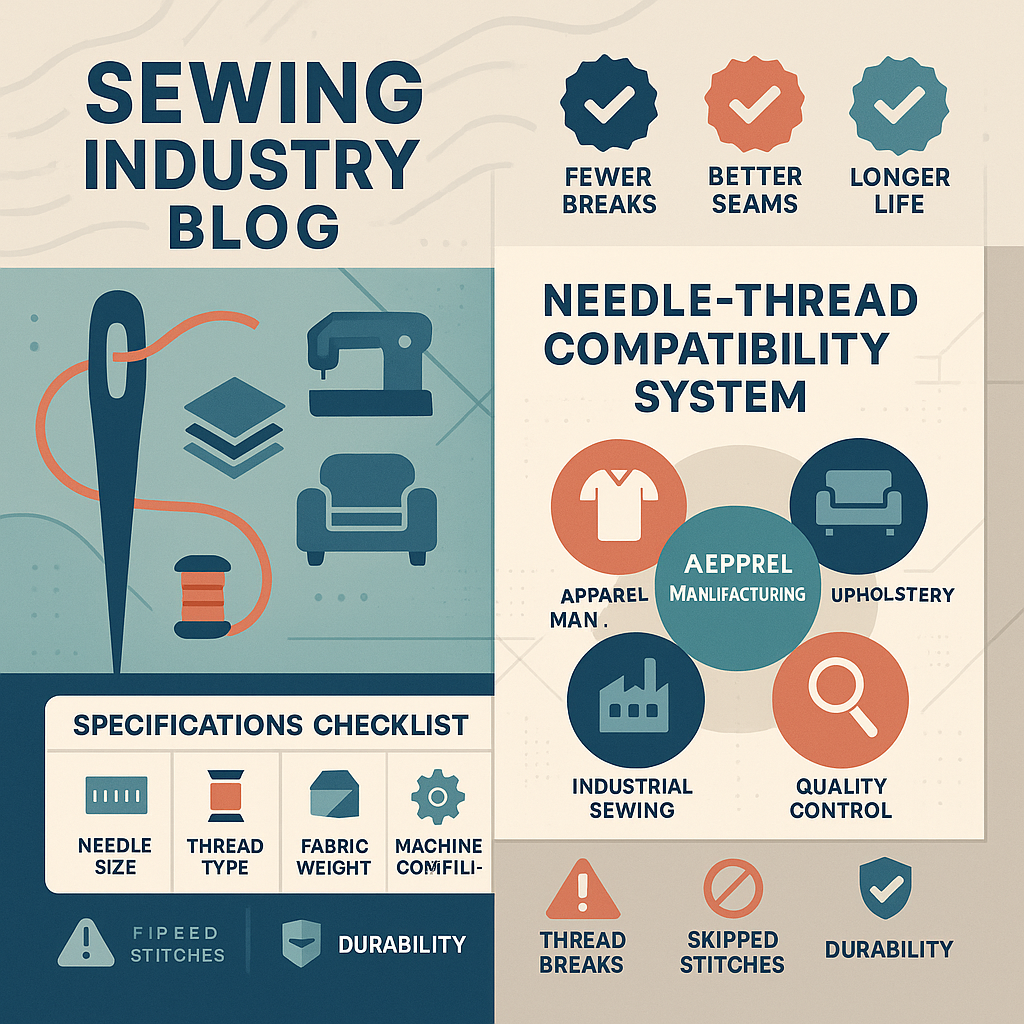
The importance of needle size matching properties cannot be overstated. When the needle size is appropriate for the thread, it allows for optimal penetration of the fabric, reducing friction and wear on both the thread and the needle. This compatibility leads to:
- Fewer thread breaks and skipped stitches
- Improved seam quality and appearance
- Enhanced durability of the finished product
Conversely, mismatched needle sizes can lead to a host of issues, including fabric damage, uneven stitching, and increased production costs due to rework.
Where is needle size matching properties used?
Needle size matching properties are relevant across various sewing applications, from garment manufacturing to upholstery and industrial sewing. Understanding where these properties apply can help buyers make informed decisions.
Common sewing thread products or applications
Some common applications that require careful consideration of needle size matching properties include:
- Apparel Manufacturing: Different fabrics and thread types necessitate specific needle sizes to ensure quality stitching.
- Upholstery: Heavy-duty threads and larger needles are often required for thicker materials.
- Industrial Sewing: High-speed sewing machines may require precise needle and thread combinations to maintain efficiency.
What buyers usually check
When evaluating needle size matching properties, buyers typically consider:
- Thread type and thickness
- Fabric weight and composition
- Needle size and type
- Machine compatibility
These factors help ensure that the selected thread and needle combination will perform optimally in the intended application.
How to evaluate needle size matching properties
Evaluating needle size matching properties involves examining specifications and understanding common misconceptions that can lead to poor thread selection.
Key points on a specification sheet
A comprehensive specification sheet should include:
- Needle Size: Indicated in metric or American sizes, this is crucial for matching with thread.
- Thread Type: Identifying whether the thread is polyester, nylon, or another material helps in understanding compatibility.
- Recommended Needle Size: Many thread manufacturers provide guidelines on the ideal needle size for their products.
- Fabric Compatibility: Information on which fabrics the thread is best suited for can guide selection.
Common misunderstandings
Several misconceptions can lead to improper needle and thread selection:
- All Needles are Interchangeable: Different needle types (e.g., universal, ballpoint, sharp) serve specific purposes and should not be used interchangeably.
- Thicker Threads Always Require Larger Needles: While thicker threads often need larger needles, the type of fabric and sewing technique also play a critical role.
- Needle Size is Less Important than Thread Type: Both factors are equally important for achieving optimal sewing performance.
Practical takeaway for sourcing teams
For sourcing teams, understanding needle size matching properties can streamline the selection process and enhance product quality.
When to ask for samples
Requesting samples is advisable when:
- Testing new thread types for specific applications
- Evaluating compatibility with existing sewing machines
- Assessing performance on different fabric types
Samples allow for hands-on evaluation, ensuring that the selected thread meets the required specifications.
When another thread type may fit better
Sometimes, a different thread type may be more suitable due to:
- Fabric characteristics (e.g., stretch, weight)
- Desired seam strength and durability
- Specific sewing techniques (e.g., decorative stitching)
In such cases, consulting with thread specialists or referring to detailed specification sheets can provide valuable insights.
Conclusion
Understanding needle size matching properties is vital for optimizing sewing thread selection and ensuring high-quality results in various applications. By evaluating specifications, recognizing common misunderstandings, and knowing when to request samples, sourcing teams can make informed decisions that enhance sewing performance. A well-matched needle and thread combination not only improves the quality of the finished product but also contributes to overall efficiency in the sewing process.