
The Bigger Picture Behind Insulation Textiles
Insulation textiles play a pivotal role in various industries, from construction to aerospace, where thermal management is crucial. As end users, understanding the importance of insulation textile maintenance is essential for ensuring the longevity and performance of these materials. Aging insulation textiles can lead to decreased efficiency, increased energy costs, and potential safety hazards. Therefore, a comprehensive understanding of the factors that influence insulation textile performance is vital.
How Materials, Structure, and Processing Affect Results
The performance of insulation textiles is largely determined by the materials used, their structural design, and the processing techniques employed during manufacturing. Each of these elements contributes to the overall effectiveness of the insulation solution.
Why One Specification Never Tells the Full Story
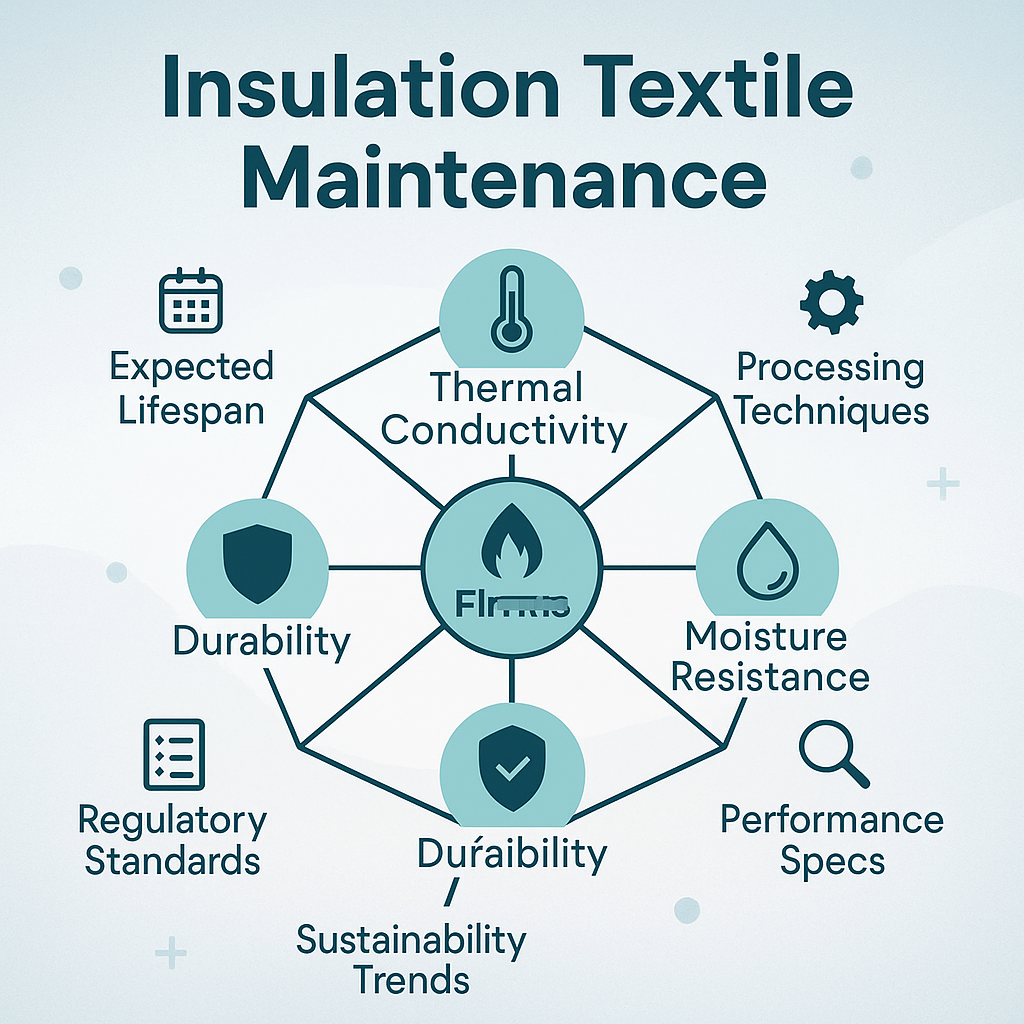
When evaluating insulation textiles, it is tempting to rely solely on specific metrics such as thermal resistance or weight. However, these specifications often fail to capture the complete picture. For instance, while a material may exhibit high thermal resistance, it might also be prone to moisture absorption, which can compromise its insulating properties over time. Therefore, it is crucial to consider a combination of factors, including:
- Thermal Conductivity: A measure of how well a material conducts heat.
- Moisture Resistance: The ability of the textile to resist water absorption, which can degrade insulation performance.
- Durability: The material’s resistance to wear and tear, which affects its lifespan.
- Fire Resistance: Important for safety in many applications, particularly in construction and aerospace.
By examining these factors holistically, end users can make more informed decisions regarding insulation textile maintenance.
How to Compare Options by End-Use Requirements
Different applications demand different performance characteristics from insulation textiles. Therefore, it is essential to align material properties with specific end-use requirements. This alignment ensures that the selected insulation solution meets the operational demands effectively.
Questions Worth Asking Before Sourcing
Before sourcing insulation textiles, consider the following questions to guide your decision-making process:
- What are the specific thermal performance requirements? Understand the temperature ranges and conditions the insulation will be exposed to.
- What environmental factors will the insulation face? Consider moisture, chemicals, and mechanical stresses that may affect performance.
- What is the expected lifespan of the insulation? Assess how long the insulation needs to perform effectively in its application.
- Are there regulatory standards to comply with? Ensure that the selected materials meet industry-specific regulations.
- What are the maintenance requirements? Understand the upkeep needed to maintain insulation performance over time.
By addressing these questions, end users can better evaluate insulation textile options and ensure they select materials that align with their operational needs.
Examples, Trends, and What to Watch Next
As industries evolve, so do the materials and technologies used in insulation textiles. Staying informed about current trends can help end users make proactive decisions regarding insulation textile maintenance.
For instance, the increasing focus on sustainability has led to the development of eco-friendly insulation materials that offer comparable performance to traditional options. Additionally, advancements in nanotechnology are enhancing the properties of insulation textiles, making them lighter, more durable, and more effective.
Moreover, the integration of smart technologies into insulation textiles is becoming more prevalent. These innovations can provide real-time monitoring of insulation performance, allowing for timely maintenance and adjustments.
As these trends continue to develop, end users should remain vigilant about how they impact insulation textile maintenance strategies. Understanding these dynamics can help organizations stay ahead of potential challenges and capitalize on new opportunities.
Conclusion
Effective insulation textile maintenance is critical for ensuring optimal performance and longevity in various applications. By understanding the interplay between materials, structure, and processing, end users can make informed decisions that align with their specific needs. Evaluating insulation textiles through a comprehensive lens—considering performance characteristics, environmental factors, and maintenance requirements—will lead to better outcomes.
As the industry evolves, staying informed about emerging trends and technologies will further enhance decision-making capabilities. Ultimately, a proactive approach to insulation textile maintenance can result in improved efficiency, reduced costs, and enhanced safety across applications.
In summary, consider the key questions outlined in this article as a decision checklist when evaluating insulation textiles. This thoughtful approach will help ensure that you select the right materials for your specific needs, ultimately leading to successful insulation solutions.