
A Practical Way to Understand Industrial Textiles
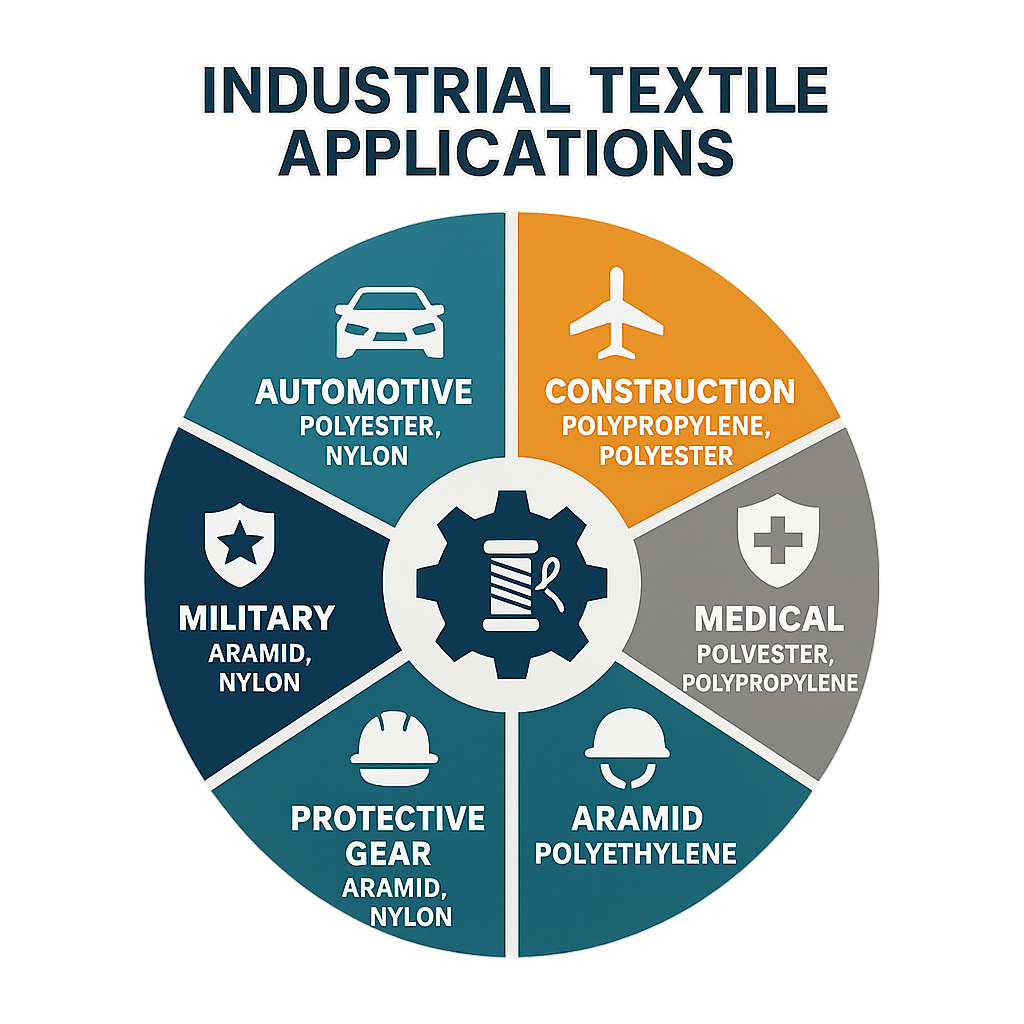
Industrial textiles play a crucial role in a wide array of applications, influencing performance, durability, and overall functionality across various sectors. Understanding the nuances of industrial textile applications by industry is essential for engineers, procurement professionals, and decision-makers. This article aims to provide a comprehensive overview of how these textiles are utilized, the materials available, and the performance requirements that must be considered.
Materials and Construction Options
The selection of materials in industrial textiles is pivotal. Different industries demand specific properties, and the materials chosen must align with these requirements. Common materials include:
- Polyester: Known for its durability and resistance to shrinking and stretching, polyester is widely used in applications ranging from automotive to construction.
- Nylon: With excellent abrasion resistance and elasticity, nylon is often found in applications requiring high strength and flexibility.
- UHMWPE (Ultra-High Molecular Weight Polyethylene): This material offers exceptional strength-to-weight ratios and is commonly used in protective gear and high-performance applications.
- Carbon Fiber: Valued for its high tensile strength and lightweight properties, carbon fiber is often utilized in aerospace and automotive industries.
- Aramid Fibers: Known for their heat and flame resistance, aramid fibers are essential in applications such as firefighting gear and military textiles.
Where Each Option Tends to Fit Best
Choosing the right material involves understanding the specific application needs:
- Automotive: Polyester and nylon are commonly used for seat covers and interior components due to their durability and ease of cleaning.
- Aerospace: Carbon fiber is favored for structural components due to its lightweight and high-strength characteristics.
- Construction: UHMWPE is often used in safety harnesses and protective gear, where strength and flexibility are paramount.
- Medical: Technical textiles made from polyester and nylon are used in surgical gowns and drapes, where sterility and comfort are critical.
Performance Requirements That Matter Most
When evaluating industrial textiles, performance requirements are a primary consideration. These requirements can vary significantly based on the application and environment:
- Strength: The tensile strength of the material is crucial, especially in applications where load-bearing is essential.
- Durability: Resistance to wear, tear, and environmental factors can significantly impact the lifespan of the textile.
- Flexibility: In applications requiring movement, the flexibility of the material can influence comfort and usability.
- Temperature Resistance: Certain applications, such as those in aerospace or military sectors, require materials that can withstand extreme temperatures.
- Moisture Management: In medical and outdoor applications, moisture-wicking properties can be vital for comfort and performance.
How Environment and Use Conditions Change the Decision
The environment in which the textile will be used can drastically alter material selection. Factors to consider include:
- Exposure to Chemicals: In industrial settings, textiles may come into contact with various chemicals, necessitating materials that resist degradation.
- UV Exposure: For outdoor applications, UV resistance is critical to prevent material breakdown.
- Temperature Extremes: Textiles used in high-temperature environments must be selected for their thermal stability.
- Moisture Levels: In humid environments, moisture-wicking and quick-drying properties can enhance performance.
Common Mistakes in Selection or Sourcing
Despite the wealth of information available, several common mistakes often occur during the selection and sourcing of industrial textiles:
- Overlooking Performance Specifications: Failing to match the textile’s performance characteristics with the application can lead to premature failure.
- Ignoring Environmental Factors: Not considering the operating environment can result in material degradation and reduced effectiveness.
- Focusing Solely on Cost: While budget constraints are important, prioritizing cost over quality can lead to higher long-term expenses due to replacements.
- Neglecting Supplier Expertise: Not leveraging the knowledge of suppliers can result in missed opportunities for optimization.
What Better Decisions Look Like in Practice
Making informed decisions in the selection and sourcing of industrial textiles involves a structured approach. Here are some practical steps:
- Define Requirements: Clearly outline the performance and environmental requirements for the application.
- Engage with Experts: Consult with suppliers and industry experts to gain insights into material performance and suitability.
- Conduct Testing: Whenever possible, perform tests or trials to evaluate material performance in real-world conditions.
- Review Long-Term Costs: Consider the total cost of ownership, including maintenance and replacement, rather than just the initial purchase price.
- Stay Informed: Keep abreast of advancements in textile technology and materials to ensure optimal choices.
Conclusion
Understanding industrial textile applications by industry is essential for making informed decisions that enhance performance and longevity. By considering material properties, performance requirements, and common pitfalls, decision-makers can navigate the complexities of textile selection effectively. A thoughtful approach to sourcing and material selection not only improves operational efficiency but also contributes to the overall success of industrial applications.
As industries continue to evolve, staying informed about the latest advancements in high-end industrial textiles and their applications will be key to maintaining a competitive edge.