
What is UHMWPE for Marine Rope?
Ultra-High Molecular Weight Polyethylene (UHMWPE) has gained significant traction in the marine industry, particularly for applications requiring high strength and durability. Understanding the core definition and material structure of UHMWPE is crucial for making informed decisions regarding its use in marine ropes.
Core Definition and Material Structure
UHMWPE is a subset of polyethylene characterized by its extremely long molecular chains, which contribute to its impressive mechanical properties. This material is known for its high impact resistance, low friction, and excellent chemical resistance, making it an ideal candidate for marine applications. The molecular weight of UHMWPE typically exceeds 3 million g/mol, which enhances its strength-to-weight ratio compared to other materials.
Key Performance Characteristics
- High Strength: UHMWPE offers tensile strengths that can exceed 3.5 GPa, making it suitable for heavy-duty applications.
- Low Weight: Its lightweight nature allows for easier handling and reduced load on vessels.
- Excellent Abrasion Resistance: UHMWPE can withstand harsh marine environments, reducing wear and tear.
- UV Resistance: While UHMWPE is inherently resistant to UV degradation, additives can enhance this property for prolonged outdoor use.
Typical Industrial Forms and Specifications
UHMWPE is available in various forms, including fibers, sheets, and rods. For marine ropes, the fiber form is most commonly used. Specifications may vary based on the intended application, including diameter, length, and specific tensile strength requirements. It’s essential to consult with suppliers to understand the specific grades and formulations available for marine applications.
Key Specifications to Confirm Before Ordering
When sourcing UHMWPE for marine rope, several specifications must be confirmed to ensure optimal performance and suitability for the intended application.
Key Technical Points
- Tensile Strength: Confirm the minimum tensile strength required for your specific application.
- Elongation at Break: Understand how much the rope can stretch before breaking, which affects performance under dynamic loads.
- Diameter and Length: Ensure that the dimensions meet the requirements of your marine operations.
Application and Sourcing Considerations
Consider the specific marine environment where the rope will be used. Factors such as saltwater exposure, temperature fluctuations, and potential for abrasion should influence your selection. Additionally, sourcing from reputable suppliers who specialize in marine applications can ensure that you receive high-quality materials.
Buyer Checklist Before Sampling
- Confirm the specifications with your supplier.
- Request samples to evaluate performance in real-world conditions.
- Review supplier certifications and quality assurance processes.
Performance Factors That Affect End Use
Understanding the performance factors that influence the end use of UHMWPE marine rope is vital for making informed decisions.
Key Technical Points
- Environmental Resistance: Assess the rope’s resistance to chemicals, UV light, and temperature variations.
- Load Dynamics: Consider how the rope will perform under different load conditions, including static and dynamic loads.
Application and Sourcing Considerations
Different marine applications may require specific performance characteristics. For instance, mooring lines may need to withstand high static loads, while towing ropes may require flexibility and shock absorption. Understanding these nuances can guide your sourcing decisions.
Buyer Checklist Before Sampling
- Evaluate the rope’s performance in the intended application.
- Consider the environmental conditions it will face.
- Discuss potential customizations with your supplier.
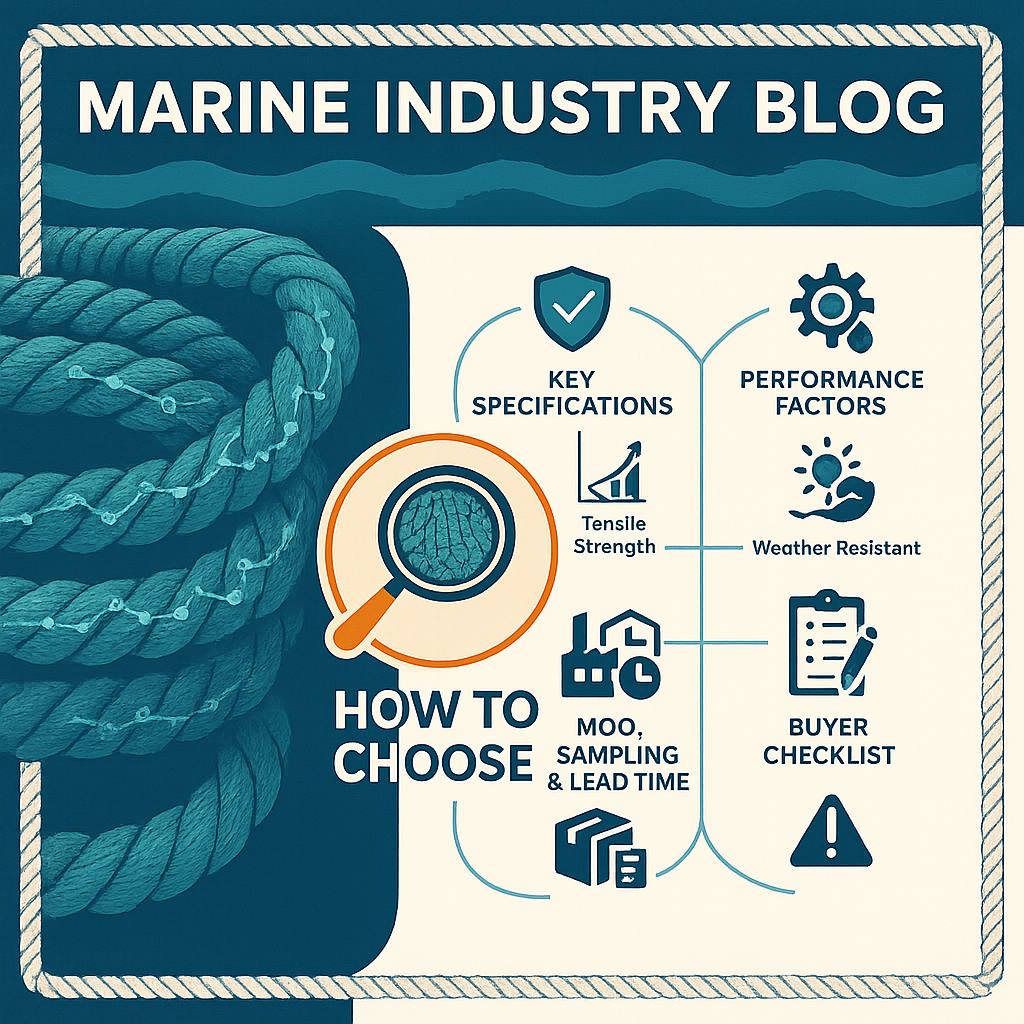
How to Choose for Marine Rope
Choosing the right UHMWPE for marine rope involves a systematic approach to evaluating specifications and application fit.
Key Specification Checklist
- Verify tensile strength and elongation at break.
- Assess diameter and length requirements.
- Confirm environmental resistance properties.
Matching Material to Application Conditions
Consider the specific conditions under which the rope will be used. For example, if the rope will be exposed to abrasive surfaces, prioritize higher abrasion resistance. If it will be used in dynamic applications, focus on flexibility and elongation properties.
Common Mistakes Before Sampling or Bulk Order
- Neglecting to confirm specifications with the supplier.
- Overlooking environmental factors that may affect performance.
- Failing to request samples for real-world testing.
MOQ, Sampling, Customization, and Lead Time
Understanding the minimum order quantities (MOQ), sampling processes, and lead times is essential for effective procurement.
What Affects Pricing
Pricing for UHMWPE marine rope can be influenced by factors such as material specifications, order volume, and customization requirements. Higher performance specifications may lead to increased costs, but the long-term benefits often justify the investment.
MOQ, Sample, and Lead Time Considerations
- Discuss MOQ with your supplier to ensure it aligns with your project needs.
- Request samples early in the process to allow for adequate testing.
- Understand lead times for production and delivery to avoid project delays.
What Buyers Should Confirm Before RFQ
- Confirm all specifications and requirements.
- Discuss potential customization options.
- Ensure the supplier can meet your lead time expectations.
Common Mistakes Buyers Should Avoid
Awareness of common pitfalls can help streamline the procurement process and ensure successful outcomes.
Key Technical Points
- Failing to conduct thorough research on material properties.
- Overlooking the importance of environmental factors in material selection.
Application and Sourcing Considerations
Consider the specific application requirements and how they align with the material properties of UHMWPE. Engaging with knowledgeable suppliers can provide valuable insights into the best options available.
Buyer Checklist Before Sampling
- Review all application requirements.
- Consult with technical experts if needed.
- Ensure all specifications are clearly communicated to the supplier.
Inquiry Checklist for Suppliers and Trading Companies
When engaging with suppliers, having a structured inquiry checklist can facilitate effective communication and ensure that all necessary information is covered.
Key Technical Points
- Request detailed specifications and certifications.
- Inquire about the supplier’s experience with marine applications.
Application and Sourcing Considerations
Discuss your specific application needs and how the supplier can meet them. Understanding their sourcing capabilities can also provide insights into the quality and reliability of the materials offered.
Buyer Checklist Before Sampling
- Confirm all technical specifications.
- Discuss lead times and customization options.
- Ensure clear communication regarding your application requirements.
Conclusion
Choosing UHMWPE for marine rope is a multifaceted decision that requires careful consideration of specifications, performance factors, and application fit. By following a structured approach and utilizing checklists, buyers can navigate the complexities of material selection effectively. Understanding the nuances of UHMWPE will not only enhance the performance of marine ropes but also contribute to the overall success of marine operations.