
What is UHMWPE for Industrial Safety Products?
Ultra-high molecular weight polyethylene (UHMWPE) is a specialized thermoplastic known for its exceptional strength-to-weight ratio and outstanding resistance to wear and impact. These properties make it an ideal material for various industrial safety products, including protective gear, safety barriers, and equipment components. Understanding UHMWPE’s unique characteristics is crucial for making informed decisions in material selection.
Core Definition and Material Structure
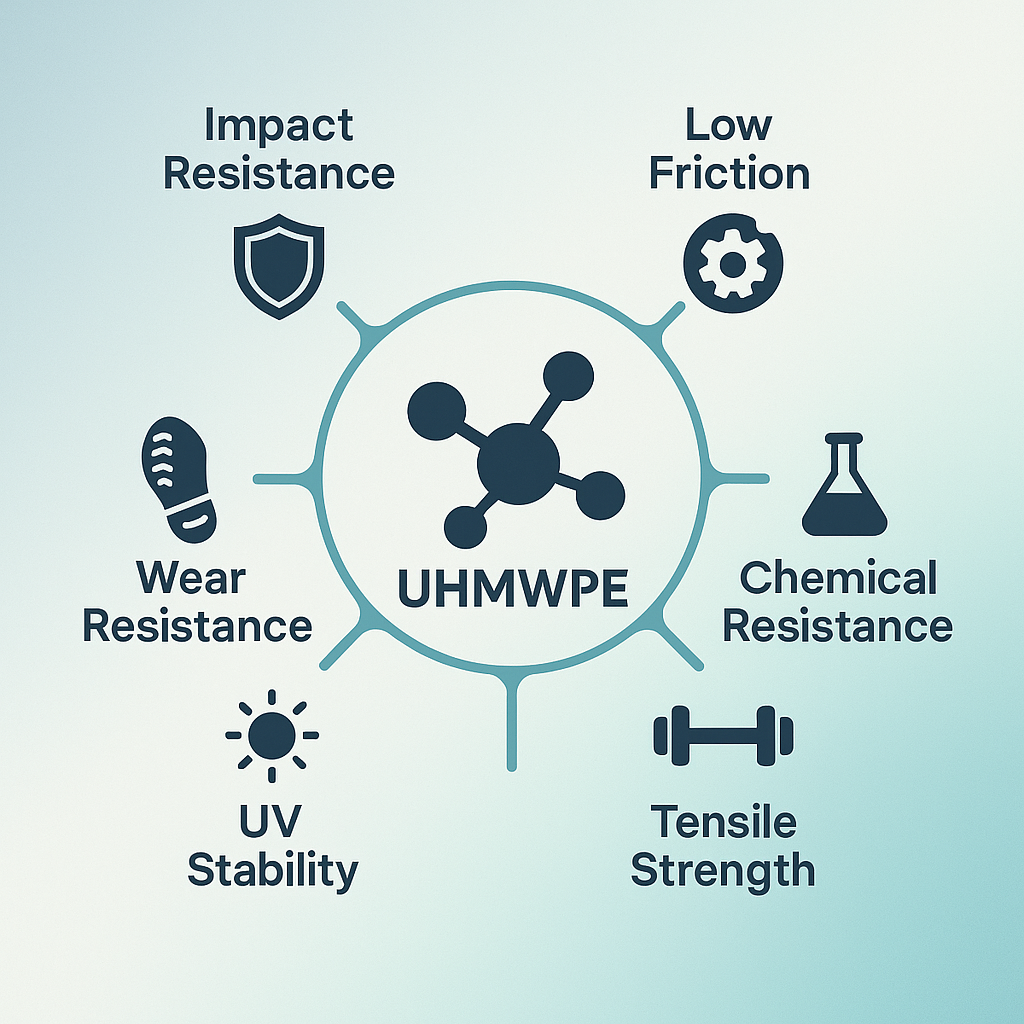
UHMWPE is a subset of polyethylene with a molecular weight typically exceeding 3 million g/mol. This high molecular weight contributes to its unique properties, such as high tensile strength, low friction, and excellent chemical resistance. The material’s structure consists of long polymer chains that provide durability while maintaining flexibility, making it suitable for applications requiring both strength and resilience.
Key Performance Characteristics
- High Impact Resistance: UHMWPE can absorb significant energy from impacts, making it ideal for protective applications.
- Low Friction Coefficient: This feature allows for smooth movement and reduces wear on both the material and interacting surfaces.
- Chemical Resistance: UHMWPE is resistant to a wide range of chemicals, making it suitable for harsh industrial environments.
- UV Stability: While UHMWPE can degrade under prolonged UV exposure, additives can enhance its stability for outdoor applications.
Typical Industrial Forms and Specifications
UHMWPE is available in various forms, including sheets, rods, and custom shapes. Specifications may vary based on the intended application, with common thicknesses ranging from 1/8 inch to several inches. When selecting UHMWPE, it’s essential to consider the specific requirements of your application, such as load-bearing capacity, environmental exposure, and processing methods.
Key Specifications to Confirm Before Ordering
Key Technical Points
Before placing an order for UHMWPE, it’s vital to confirm several technical specifications:
- Tensile Strength: Ensure the material meets the required tensile strength for your application.
- Density: The density of UHMWPE can affect its performance characteristics, such as weight and buoyancy.
- Thermal Properties: Consider the material’s thermal stability and its behavior under varying temperature conditions.
Application and Sourcing Considerations
When sourcing UHMWPE for industrial safety products, consider the specific applications it will be used for. For instance, protective gear may require different specifications compared to components used in machinery. Additionally, sourcing from reputable suppliers ensures that you receive materials that meet industry standards.
Buyer Checklist Before Sampling
- Define the application and performance requirements.
- Review technical specifications and certifications.
- Confirm the supplier’s reputation and quality assurance processes.
Performance Factors That Affect End Use
Key Technical Points
Understanding the performance factors that influence the end use of UHMWPE is crucial for effective material selection. Factors such as load-bearing capacity, wear resistance, and environmental exposure can significantly impact the material’s suitability for specific applications.
Application and Sourcing Considerations
Different applications may impose varying demands on UHMWPE. For example, components used in high-friction environments may require enhanced wear resistance, while those exposed to chemicals may need superior chemical resistance. Evaluating these factors during the sourcing process can help ensure optimal performance.
Buyer Checklist Before Sampling
- Assess the specific performance requirements for your application.
- Evaluate potential trade-offs between different UHMWPE grades.
- Consider the environmental conditions the material will face.
How to Choose for Industrial Safety Products
Key Specification Checklist
When choosing UHMWPE for industrial safety products, a detailed specification checklist can guide your decision-making:
- Confirm tensile and compressive strength requirements.
- Evaluate the material’s impact resistance and wear characteristics.
- Assess thermal and chemical resistance properties.
Matching Material to Application Conditions
It is essential to match the material properties of UHMWPE to the specific conditions it will encounter in its application. For instance, if the product will be exposed to high temperatures or aggressive chemicals, selecting a grade of UHMWPE specifically designed for those conditions will enhance performance and longevity.
Common Mistakes Before Sampling or Bulk Order
- Overlooking specific application requirements.
- Failing to evaluate the supplier’s quality assurance processes.
- Not considering long-term performance factors such as wear and environmental exposure.
MOQ, Sampling, Customization, and Lead Time
What Affects Pricing
The pricing of UHMWPE can be influenced by several factors, including the grade of material, the complexity of the order, and market demand. Understanding these factors can help in budgeting and planning for procurement.
MOQ, Sample, and Lead Time Considerations
Minimum order quantities (MOQ) can vary significantly among suppliers. It is advisable to clarify these terms before placing an order. Additionally, lead times can be affected by factors such as customization requests and supplier capacity, making it essential to communicate your needs clearly.
What Buyers Should Confirm Before RFQ
- Clarify the specifications and requirements for your application.
- Confirm the supplier’s ability to meet your timeline and MOQ.
- Request samples to evaluate material performance before committing to a bulk order.
Common Mistakes Buyers Should Avoid
Key Technical Points
Buyers often make mistakes that can lead to suboptimal material selection. Common pitfalls include not fully understanding the technical specifications and failing to consider the long-term implications of material performance.
Application and Sourcing Considerations
It is crucial to align the material selection process with the specific requirements of the application. Failing to do so can result in inadequate performance and increased costs over time.
Buyer Checklist Before Sampling
- Review technical specifications thoroughly.
- Consider the application environment and performance requirements.
- Engage with suppliers to clarify any uncertainties.
Inquiry Checklist for Suppliers and Trading Companies
Key Technical Points
When reaching out to suppliers, it’s essential to have a clear inquiry checklist to ensure you gather all necessary information:
- Request detailed technical specifications for the UHMWPE grade.
- Inquire about quality assurance processes and certifications.
- Ask about lead times and customization options.
Application and Sourcing Considerations
Understanding the supplier’s capabilities in relation to your specific application can help you make informed decisions. Ensure that the supplier has experience in providing UHMWPE for similar applications.
Buyer Checklist Before Sampling
- Define your application and performance requirements clearly.
- Evaluate potential suppliers based on their expertise and reliability.
- Confirm all technical specifications and sourcing capabilities.
Conclusion
Choosing the right UHMWPE for industrial safety products involves a thorough understanding of material specifications, performance factors, and application requirements. By following a structured decision-making process and avoiding common pitfalls, you can ensure that the materials selected will meet the demands of your specific applications. A well-informed approach not only enhances safety but also contributes to the overall efficiency and effectiveness of your operations.