
What is UHMWPE for Ballistic Panels?
Ultra-high molecular weight polyethylene (UHMWPE) has emerged as a leading material for ballistic panels, primarily due to its exceptional strength-to-weight ratio and impact resistance. Understanding how to choose UHMWPE for ballistic panels is crucial for ensuring optimal performance in protective applications.
Core Definition and Material Structure
UHMWPE is a subset of thermoplastic polyethylene, characterized by its extremely long chains, which contribute to its high molecular weight. This unique structure results in a material that exhibits remarkable durability and resistance to abrasion, making it an ideal candidate for ballistic protection.
Key Performance Characteristics
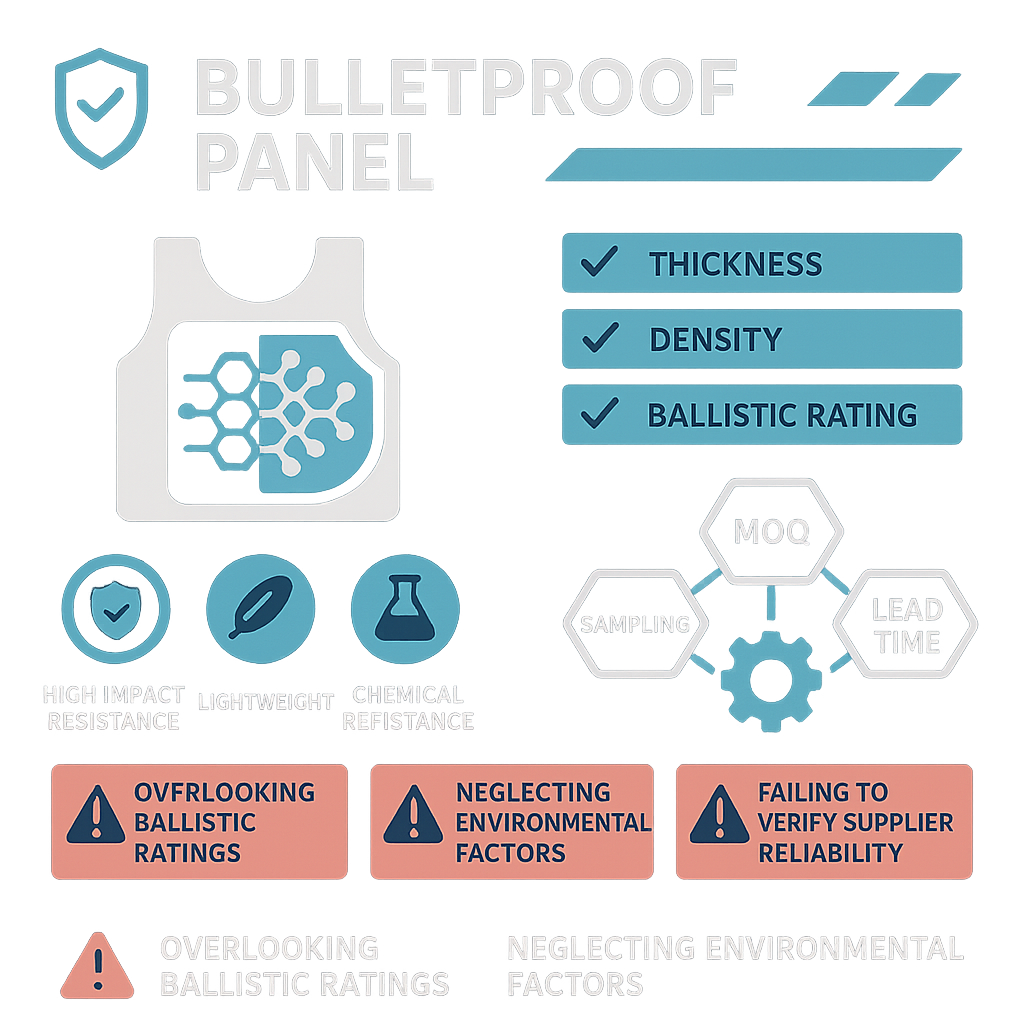
- High Impact Resistance: UHMWPE can absorb significant energy from ballistic impacts, reducing the risk of penetration.
- Lightweight: Compared to traditional materials like steel or ceramic, UHMWPE offers a lighter alternative, enhancing mobility for users.
- Chemical Resistance: The material is resistant to a wide range of chemicals, ensuring longevity in various environments.
- Low Friction: UHMWPE’s low coefficient of friction aids in the manufacturing of sliding components in ballistic applications.
Typical Industrial Forms and Specifications
UHMWPE is available in various forms, including sheets, rods, and custom shapes, tailored for specific applications. Common specifications to consider include thickness, density, and impact resistance ratings, which can vary based on the intended use.
Key Specifications to Confirm Before Ordering
Key Technical Points
When evaluating UHMWPE for ballistic panels, it’s essential to confirm specifications such as:
- Thickness: The thickness of the panel directly influences its ballistic performance.
- Density: A higher density often correlates with better impact resistance.
- Ballistic Rating: Ensure the material meets or exceeds relevant ballistic standards.
Application and Sourcing Considerations
Understanding the specific application requirements is vital. For instance, military applications may demand different specifications than civilian uses. Additionally, sourcing considerations such as lead time and supplier reliability should be evaluated to ensure timely delivery.
Buyer Checklist Before Sampling
- Confirm the required ballistic rating.
- Assess the environmental conditions the panels will face.
- Evaluate the supplier’s track record in delivering quality materials.
Performance Factors That Affect End Use
Key Technical Points
Performance factors such as temperature stability, moisture absorption, and UV resistance can significantly impact the effectiveness of UHMWPE in ballistic applications. Understanding these factors helps in making informed decisions.
Application and Sourcing Considerations
Different applications may require specific performance characteristics. For example, panels used in extreme environments may need enhanced UV resistance or temperature stability. Sourcing from reputable suppliers can ensure that these specifications are met consistently.
Buyer Checklist Before Sampling
- Identify the environmental conditions the panels will be exposed to.
- Determine if additional treatments or coatings are necessary.
- Review the supplier’s certifications and quality assurance processes.
How to Choose for Ballistic Panels
Key Specification Checklist
When choosing UHMWPE for ballistic panels, consider the following checklist:
- Confirm the required ballistic protection level.
- Assess the weight-to-strength ratio needed for the application.
- Evaluate the expected lifespan and maintenance requirements.
Matching Material to Application Conditions
It’s crucial to align the material properties of UHMWPE with the specific conditions of use. For example, if the panels will be exposed to extreme temperatures or chemicals, ensure that the selected UHMWPE variant is suitable for those conditions.
Common Mistakes Before Sampling or Bulk Order
- Overlooking the importance of ballistic ratings.
- Neglecting to consider environmental factors that may affect performance.
- Failing to verify supplier reliability and material consistency.
MOQ, Sampling, Customization, and Lead Time
What Affects Pricing
Pricing for UHMWPE can vary based on factors such as material quality, customization, and order volume. Understanding these elements can help in budgeting for projects effectively.
MOQ, Sample, and Lead Time Considerations
Minimum order quantities (MOQ) can affect project timelines and costs. It’s advisable to discuss these factors with suppliers early in the sourcing process to avoid delays.
What Buyers Should Confirm Before RFQ
- Clarify the specifications required for the project.
- Confirm lead times and shipping options.
- Discuss potential for customization based on application needs.
Common Mistakes Buyers Should Avoid
Key Technical Points
Technical misunderstandings can lead to suboptimal material choices. Ensure that all stakeholders are aligned on the specifications and performance requirements before proceeding.
Application and Sourcing Considerations
Buyers should avoid making assumptions about material performance based solely on general characteristics. Each application may have unique requirements that need to be addressed.
Buyer Checklist Before Sampling
- Ensure all technical specifications are clearly defined.
- Verify that the supplier can meet the required standards.
- Discuss potential risks associated with the chosen material.
Inquiry Checklist for Suppliers and Trading Companies
Key Technical Points
When engaging with suppliers, it’s essential to ask specific questions regarding their material offerings, including testing methods and compliance with industry standards.
Application and Sourcing Considerations
Understanding the supplier’s capabilities in meeting your specific application needs can prevent future issues. Inquire about their experience with similar projects and their approach to quality assurance.
Buyer Checklist Before Sampling
- Ask for detailed product specifications and test results.
- Request information on past projects and client references.
- Confirm the supplier’s ability to provide ongoing support and communication.
In conclusion, choosing UHMWPE for ballistic panels requires a thorough understanding of material properties, application requirements, and supplier capabilities. By following the outlined specifications and checklists, buyers can make informed decisions that enhance the effectiveness and reliability of their ballistic solutions.