
What is Hybrid Fabric for Vehicle Panels?
Hybrid fabrics are engineered materials that combine two or more types of fibers to achieve specific performance characteristics. In the context of vehicle panels, these fabrics are designed to enhance strength, reduce weight, and improve durability, making them ideal for automotive applications.
Core Definition and Material Structure
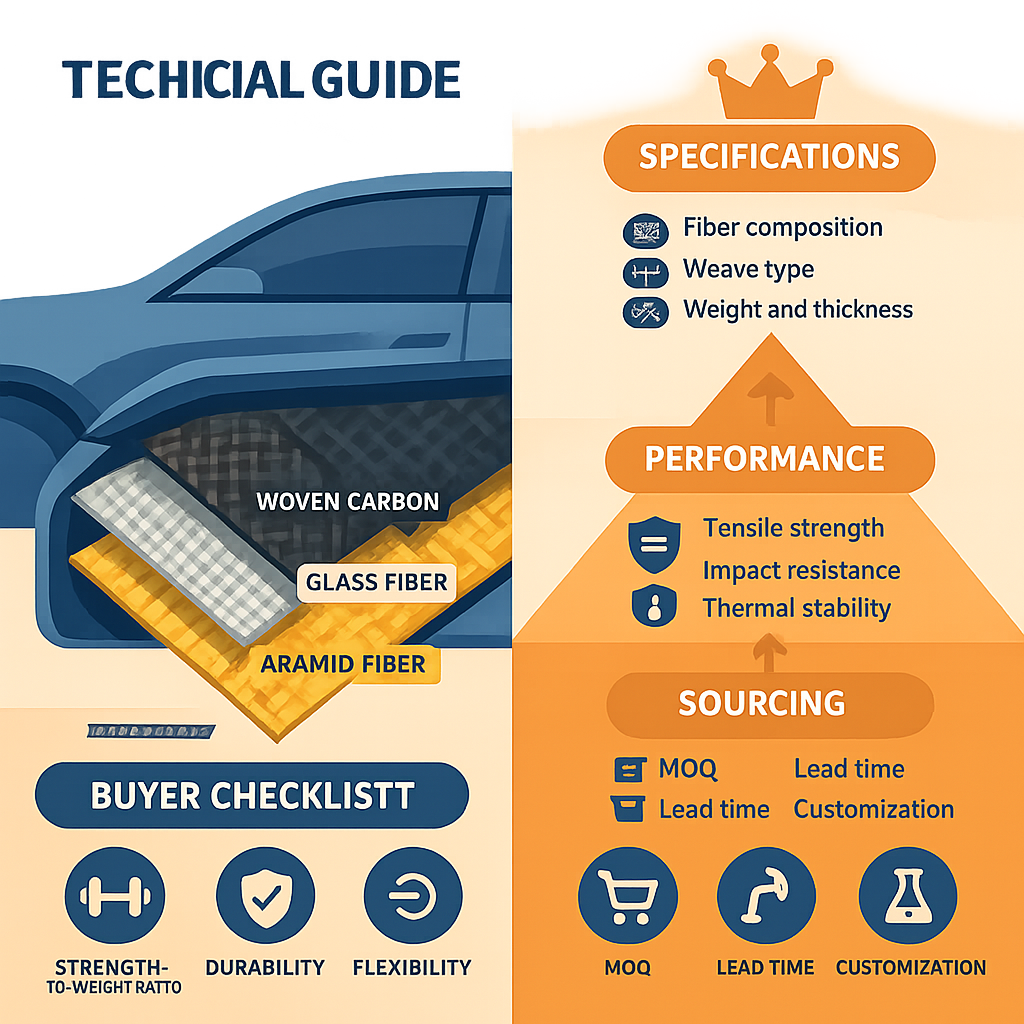
At its core, hybrid fabric consists of a blend of fibers, such as carbon fiber, glass fiber, and aramid, which are woven or layered together. This combination allows manufacturers to tailor the mechanical properties of the fabric to meet the demanding requirements of vehicle panels. The structure can vary significantly, with options ranging from woven to non-woven forms, each offering unique benefits.
Key Performance Characteristics
- Strength-to-Weight Ratio: Hybrid fabrics often provide superior strength while minimizing weight, crucial for fuel efficiency.
- Durability: Resistance to wear, tear, and environmental factors ensures longevity in automotive applications.
- Flexibility: The ability to conform to various shapes and sizes enhances design possibilities.
- Thermal and Chemical Resistance: Essential for panels exposed to extreme conditions.
Typical Industrial Forms and Specifications
Hybrid fabrics can be found in various forms, including sheets, rolls, and pre-pregs. Specifications such as fiber type, weave pattern, and thickness play a critical role in determining their suitability for specific applications.
Key Specifications to Confirm Before Ordering
Key Technical Points
Before placing an order for hybrid fabric, it is essential to confirm several technical specifications:
- Fiber Composition: Understand the types of fibers used and their respective properties.
- Weave Type: Different weaves can affect strength, flexibility, and appearance.
- Weight and Thickness: These factors influence the overall performance and application suitability.
Application and Sourcing Considerations
Consider the specific application of the vehicle panels. Will they be exposed to high temperatures, chemicals, or mechanical stress? Understanding the end-use environment will guide the selection process. Additionally, sourcing from reputable suppliers who can provide detailed specifications and certifications is crucial.
Buyer Checklist Before Sampling
- Confirm the fiber types and their properties.
- Request samples to assess texture and flexibility.
- Verify compliance with industry standards.
Performance Factors That Affect End Use
Key Technical Points
Performance factors such as tensile strength, elongation at break, and impact resistance should be evaluated based on the intended use of the vehicle panels. These characteristics will directly influence the durability and functionality of the final product.
Application and Sourcing Considerations
Understanding the specific conditions under which the vehicle panels will operate is vital. For example, panels used in high-performance vehicles may require different specifications compared to those in standard models. Sourcing from specialized suppliers can ensure that the materials meet these demanding requirements.
Buyer Checklist Before Sampling
- Assess the performance characteristics based on application needs.
- Consider environmental factors that may affect material performance.
- Ensure compatibility with other materials used in the vehicle.
How to Choose for Vehicle Panels
Key Specification Checklist
When selecting hybrid fabric for vehicle panels, a comprehensive checklist can help streamline the decision-making process:
- Identify the required mechanical properties.
- Evaluate the environmental conditions the fabric will face.
- Consider aesthetic requirements, such as color and texture.
Matching Material to Application Conditions
It is essential to align the material properties with the specific conditions of use. For instance, if the panels will be subjected to high impact, prioritize fabrics with enhanced impact resistance. Conversely, if weight reduction is critical, focus on materials with a high strength-to-weight ratio.
Common Mistakes Before Sampling or Bulk Order
- Neglecting to assess the end-use environment.
- Overlooking the importance of fiber composition.
- Failing to request samples for evaluation.
MOQ, Sampling, Customization, and Lead Time
What Affects Pricing
Pricing for hybrid fabrics can vary based on several factors, including fiber type, manufacturing processes, and order volume. Understanding these variables can help in budgeting and cost management.
MOQ, Sample, and Lead Time Considerations
Minimum order quantities (MOQ) can influence purchasing decisions. Be sure to clarify these requirements with suppliers, as well as the expected lead times for samples and bulk orders. This information is crucial for project timelines and planning.
What Buyers Should Confirm Before RFQ
- Clarify the specifications required for your application.
- Understand the supplier’s capabilities for customization.
- Confirm lead times and MOQs to align with project schedules.
Common Mistakes Buyers Should Avoid
Key Technical Points
Technical misunderstandings can lead to costly mistakes. Ensure that all specifications are clearly understood and communicated to suppliers to avoid discrepancies.
Application and Sourcing Considerations
Failing to consider the specific application can result in selecting inappropriate materials. Always align material properties with the intended use to ensure performance and durability.
Buyer Checklist Before Sampling
- Review technical specifications carefully.
- Assess the supplier’s reputation and reliability.
- Ensure all requirements are documented and confirmed.
Inquiry Checklist for Suppliers and Trading Companies
Key Technical Points
When reaching out to suppliers, a structured inquiry can facilitate clearer communication and better outcomes:
- Request detailed technical data sheets.
- Inquire about certifications and compliance with industry standards.
- Ask about customization options and capabilities.
Application and Sourcing Considerations
Understanding the supplier’s expertise in hybrid fabrics for vehicle panels can significantly impact the quality of your sourcing decisions. Look for suppliers with a proven track record in automotive applications.
Buyer Checklist Before Sampling
- Prepare a list of questions regarding material properties.
- Clarify expectations for lead times and MOQs.
- Ensure that all inquiries are documented for future reference.
In conclusion, choosing the right hybrid fabric for vehicle panels involves a careful evaluation of specifications, performance characteristics, and application requirements. By following a structured approach and avoiding common pitfalls, buyers can make informed decisions that enhance the quality and performance of their automotive projects.