
What is Hybrid Fabric for Protective Equipment?
Hybrid fabric is a composite material that combines two or more types of fibers to achieve enhanced performance characteristics. In the context of protective equipment, hybrid fabrics are engineered to provide a balance of durability, flexibility, and resistance to various environmental factors. Understanding the core definition and structure of hybrid fabrics is crucial for making informed decisions in material selection.
Core Definition and Material Structure
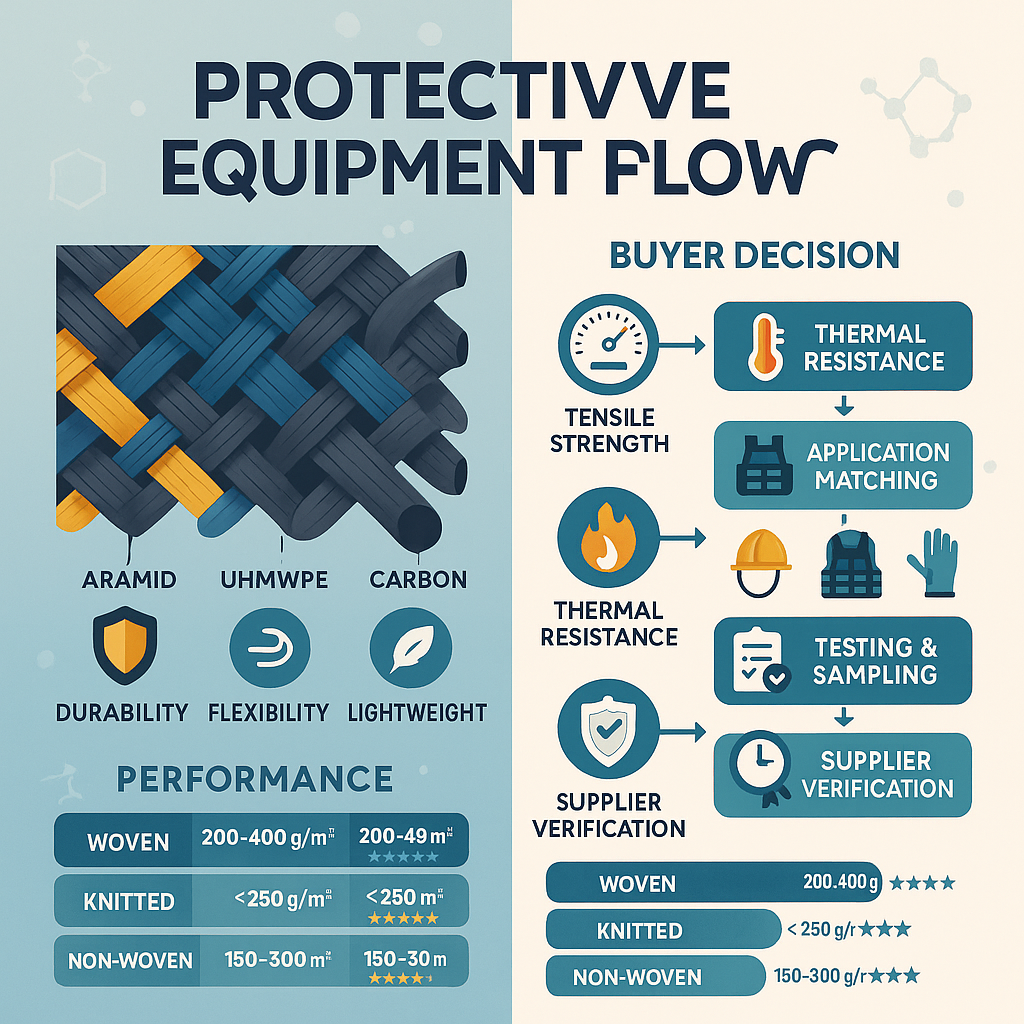
Hybrid fabrics typically consist of a blend of synthetic fibers such as aramid, UHMWPE (Ultra High Molecular Weight Polyethylene), and carbon fibers. These materials are woven or knitted together to create a fabric that leverages the strengths of each component. For example, aramid fibers offer high tensile strength and thermal resistance, while UHMWPE provides excellent abrasion resistance and low weight.
Key Performance Characteristics
- Durability: Hybrid fabrics are designed to withstand harsh conditions, making them suitable for various protective applications.
- Flexibility: The combination of materials allows for a fabric that maintains flexibility while providing protection.
- Weight: Hybrid fabrics can be lighter than traditional materials, enhancing user comfort and mobility.
- Resistance: These fabrics often exhibit resistance to chemicals, UV light, and extreme temperatures.
Typical Industrial Forms and Specifications
Hybrid fabrics are available in various forms, including woven, knitted, and non-woven structures. Each form has its own set of specifications, such as weight (measured in grams per square meter), thickness, and tensile strength. Understanding these specifications is essential for matching the fabric to specific protective applications.
Key Specifications to Confirm Before Ordering
Before placing an order for hybrid fabric, it is vital to confirm several key specifications to ensure that the material meets the intended application requirements.
Key Technical Points
- Tensile Strength: This indicates the maximum stress the fabric can withstand while being stretched. It is crucial for applications requiring high durability.
- Elongation at Break: This measures how much the fabric can stretch before breaking, which impacts comfort and fit.
- Thermal Resistance: Understanding the temperature range the fabric can withstand is essential for protective gear used in high-heat environments.
Application and Sourcing Considerations
Different applications may require specific characteristics from hybrid fabrics. For example, protective gear for industrial environments may prioritize abrasion resistance, while military applications may focus on weight and flexibility. When sourcing materials, consider the supplier’s ability to meet these specific needs.
Buyer Checklist Before Sampling
- Confirm the fabric specifications align with application requirements.
- Request samples to evaluate performance characteristics firsthand.
- Assess the supplier’s reputation and experience in the industry.
Performance Factors That Affect End Use
Understanding the performance factors that influence the end use of hybrid fabrics is crucial for making informed decisions.
Key Technical Points
- Environmental Resistance: Consider how the fabric performs in various environmental conditions, including exposure to chemicals, moisture, and UV light.
- Comfort and Breathability: Evaluate how the fabric feels against the skin and its ability to wick moisture away.
Application and Sourcing Considerations
Different industries may have unique requirements for protective equipment. For instance, healthcare applications may prioritize antimicrobial properties, while construction may focus on cut resistance. Understanding these nuances can guide sourcing decisions.
Buyer Checklist Before Sampling
- Identify the specific performance characteristics required for the application.
- Ensure the supplier can provide documentation for any necessary certifications.
- Consider the lead time for samples and bulk orders.
How to Choose for Protective Equipment
Choosing the right hybrid fabric for protective equipment involves a systematic approach to evaluating specifications and application needs.
Key Specification Checklist
- Assess tensile strength and elongation properties.
- Evaluate thermal and chemical resistance based on application conditions.
- Consider weight and flexibility for user comfort.
Matching Material to Application Conditions
Different applications may demand specific material properties. For example, protective gear for extreme cold may require fabrics with excellent thermal insulation, while gear for high-impact environments may prioritize abrasion resistance. Understanding these requirements can guide material selection.
Common Mistakes Before Sampling or Bulk Order
- Overlooking the importance of testing samples before bulk orders.
- Failing to consider the end-use environment when selecting materials.
- Not verifying the supplier’s ability to meet specifications consistently.
MOQ, Sampling, Customization, and Lead Time
Understanding minimum order quantities (MOQ), sampling processes, and lead times is essential for effective procurement.
What Affects Pricing
Pricing for hybrid fabrics can vary based on several factors, including material composition, manufacturing processes, and order volume. Customization requests may also influence costs.
MOQ, Sample, and Lead Time Considerations
- Determine the supplier’s MOQ and how it aligns with your project needs.
- Understand the sampling process and associated costs.
- Inquire about lead times for both samples and bulk orders.
What Buyers Should Confirm Before RFQ
- Confirm the supplier’s ability to meet your specifications and timelines.
- Request documentation for any necessary certifications.
- Clarify any customization options available.
Common Mistakes Buyers Should Avoid
Being aware of common pitfalls can help buyers make more informed decisions.
Key Technical Points
- Neglecting to assess the full range of performance characteristics.
- Assuming that higher cost always equates to better quality.
Application and Sourcing Considerations
Buyers should be cautious about selecting materials based solely on price without considering their suitability for the intended application. This can lead to performance issues down the line.
Buyer Checklist Before Sampling
- Review all specifications and performance characteristics.
- Ensure alignment between material properties and application requirements.
- Confirm the supplier’s reputation and track record.
Inquiry Checklist for Suppliers and Trading Companies
When engaging with suppliers, having a structured inquiry checklist can facilitate effective communication and ensure that all necessary information is covered.
Key Technical Points
- Inquire about the technical specifications of the hybrid fabric.
- Ask for details on testing and certification processes.
Application and Sourcing Considerations
Understanding the supplier’s experience in your specific application area can provide valuable insights into material suitability.
Buyer Checklist Before Sampling
- Confirm all technical specifications align with your requirements.
- Request samples for evaluation.
- Assess the supplier’s ability to provide ongoing support and documentation.
Conclusion
Choosing the right hybrid fabric for protective equipment is a multifaceted process that requires careful consideration of material properties, application needs, and sourcing capabilities. By following a structured approach and utilizing the provided checklists, buyers can make informed decisions that enhance the performance and reliability of their protective gear. Understanding the nuances of hybrid fabrics will ultimately lead to better outcomes in safety and functionality.