
What is Hybrid Fabric for Marine Reinforcement?
Hybrid fabrics have emerged as a versatile solution in the marine industry, combining different fibers to enhance performance characteristics. Understanding what hybrid fabric is and its specific applications in marine reinforcement is crucial for making informed decisions.
Core Definition and Material Structure
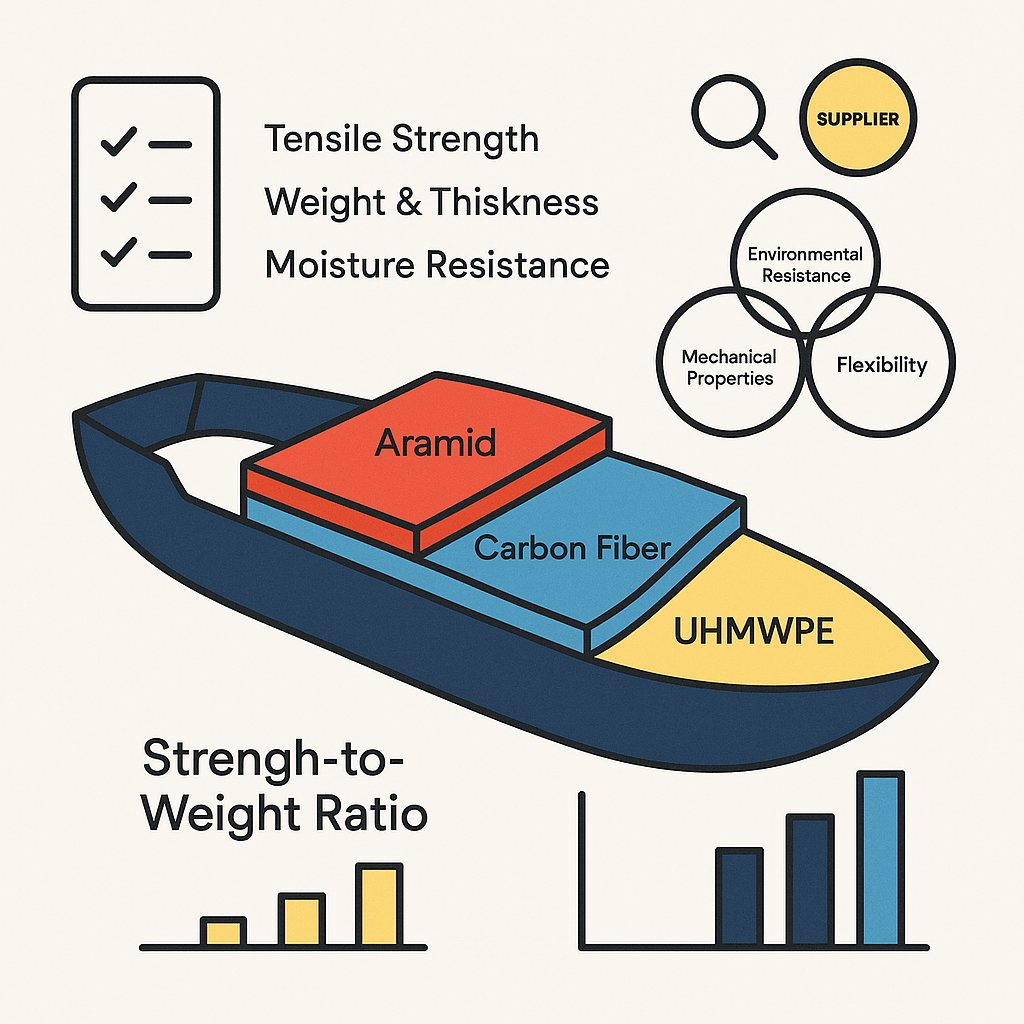
Hybrid fabric is composed of two or more types of fibers, typically combining high-performance materials such as aramid, carbon fiber, and UHMWPE (Ultra-High Molecular Weight Polyethylene). This combination allows for tailored properties, such as increased strength, reduced weight, and improved resistance to environmental factors.
Key Performance Characteristics
- Strength-to-Weight Ratio: Hybrid fabrics often exhibit superior strength while maintaining a lightweight profile, making them ideal for applications where weight is a critical factor.
- Durability: The integration of various fibers enhances resistance to abrasion, UV exposure, and chemical degradation, essential for marine environments.
- Flexibility: Hybrid fabrics can offer improved flexibility compared to traditional materials, allowing for easier handling and application.
Typical Industrial Forms and Specifications
Hybrid fabrics are available in various forms, including woven, knitted, and non-woven structures. Specifications may vary based on the intended application, including weight (measured in grams per square meter), tensile strength, and elongation at break. Understanding these specifications is vital for selecting the right material for specific marine applications.
Key Specifications to Confirm Before Ordering
Before placing an order for hybrid fabric, it is essential to confirm several specifications to ensure the material meets the intended application requirements.
Key Technical Points
- Tensile Strength: Ensure the fabric meets the required tensile strength for the specific marine application.
- Weight and Thickness: Confirm that the weight and thickness align with project specifications, as these factors can significantly impact performance.
- Moisture Resistance: Evaluate the fabric’s ability to resist moisture, which is crucial in marine environments.
Application and Sourcing Considerations
Consider the specific application of the hybrid fabric, whether it be for sails, hull reinforcement, or other marine structures. Sourcing should focus on suppliers who specialize in marine-grade materials to ensure quality and compliance with industry standards.
Buyer Checklist Before Sampling
- Confirm the specifications required for your application.
- Research potential suppliers and their reputation in the industry.
- Request samples to evaluate the fabric’s performance characteristics firsthand.
Performance Factors That Affect End Use
Understanding the performance factors that influence the end use of hybrid fabrics is essential for effective material selection.
Key Technical Points
- Environmental Resistance: Assess how the fabric performs under various environmental conditions, including saltwater exposure and UV radiation.
- Mechanical Properties: Evaluate the mechanical properties such as shear strength and impact resistance, which are critical for marine applications.
Application and Sourcing Considerations
Different marine applications may require specific performance characteristics. For instance, fabrics used in high-stress areas may need higher tensile strength, while those used in less critical areas may prioritize flexibility.
Buyer Checklist Before Sampling
- Identify the performance characteristics critical to your application.
- Ensure the supplier can provide detailed technical data for the fabric.
- Consider the long-term performance expectations based on environmental exposure.
How to Choose for Marine Reinforcement
Choosing the right hybrid fabric for marine reinforcement involves a systematic approach to evaluating specifications and application needs.
Key Specification Checklist
- Confirm tensile strength and elongation properties.
- Evaluate moisture and UV resistance.
- Check compatibility with other materials used in the application.
Matching Material to Application Conditions
Consider the specific conditions under which the fabric will be used. For example, if the fabric will be exposed to harsh weather conditions, prioritize materials with enhanced environmental resistance.
Common Mistakes Before Sampling or Bulk Order
- Failing to thoroughly evaluate the supplier’s technical specifications.
- Overlooking the importance of environmental resistance in marine applications.
- Not considering the long-term performance and maintenance needs of the fabric.
MOQ, Sampling, Customization, and Lead Time
Understanding the implications of minimum order quantities (MOQ), sampling, customization, and lead time is essential for effective procurement.
What Affects Pricing
Pricing can be influenced by various factors, including the complexity of the fabric structure, the types of fibers used, and the volume of the order. Customization requests may also impact pricing.
MOQ, Sample, and Lead Time Considerations
- Be aware of the supplier’s MOQ and how it aligns with your project needs.
- Request samples to evaluate the fabric before committing to a bulk order.
- Understand lead times for production and delivery to ensure alignment with project timelines.
What Buyers Should Confirm Before RFQ
- Confirm the specifications needed for your application.
- Ensure the supplier can meet your timeline and MOQ requirements.
- Request detailed technical documentation to support your decision-making process.
Common Mistakes Buyers Should Avoid
Being aware of common pitfalls can help buyers make more informed decisions when selecting hybrid fabrics for marine reinforcement.
Key Technical Points
- Neglecting to verify the technical specifications against application requirements.
- Overlooking the importance of supplier reputation and experience in the marine industry.
Application and Sourcing Considerations
Buyers should ensure that the chosen fabric aligns with the specific application needs and environmental conditions it will face.
Buyer Checklist Before Sampling
- Review the technical specifications thoroughly.
- Research the supplier’s history and expertise in marine materials.
- Prepare a list of questions to clarify any uncertainties before sampling.
Inquiry Checklist for Suppliers and Trading Companies
When engaging with suppliers or trading companies, having a structured inquiry checklist can streamline the process and ensure all critical aspects are covered.
Key Technical Points
- Request detailed technical specifications and performance data.
- Inquire about the supplier’s experience with marine applications.
Application and Sourcing Considerations
Discuss the specific application requirements with the supplier to ensure they can meet your needs effectively.
Buyer Checklist Before Sampling
- Confirm the supplier’s ability to provide samples for evaluation.
- Ensure they can meet your timeline and MOQ requirements.
- Prepare a list of questions regarding customization options and lead times.
In conclusion, choosing the right hybrid fabric for marine reinforcement requires a thorough understanding of material specifications, performance factors, and application needs. By following a structured decision-making process and avoiding common pitfalls, buyers can make informed choices that enhance the performance and longevity of their marine applications.