
What is Hybrid Fabric for Ballistic Systems?
Hybrid fabrics are engineered materials that combine two or more types of fibers to achieve specific performance characteristics, particularly in ballistic applications. These fabrics are designed to offer enhanced protection, durability, and flexibility, making them ideal for use in various ballistic systems, including personal protective equipment and vehicle armor.
Core Definition and Material Structure
At its core, hybrid fabric integrates fibers such as aramid, UHMWPE (Ultra-High Molecular Weight Polyethylene), and carbon fiber. The combination of these materials allows for a balance of strength, weight, and flexibility. For instance, aramid fibers provide excellent tensile strength and thermal stability, while UHMWPE contributes to low weight and high impact resistance. The specific blend and weave pattern of these fibers determine the fabric’s overall performance.
Key Performance Characteristics
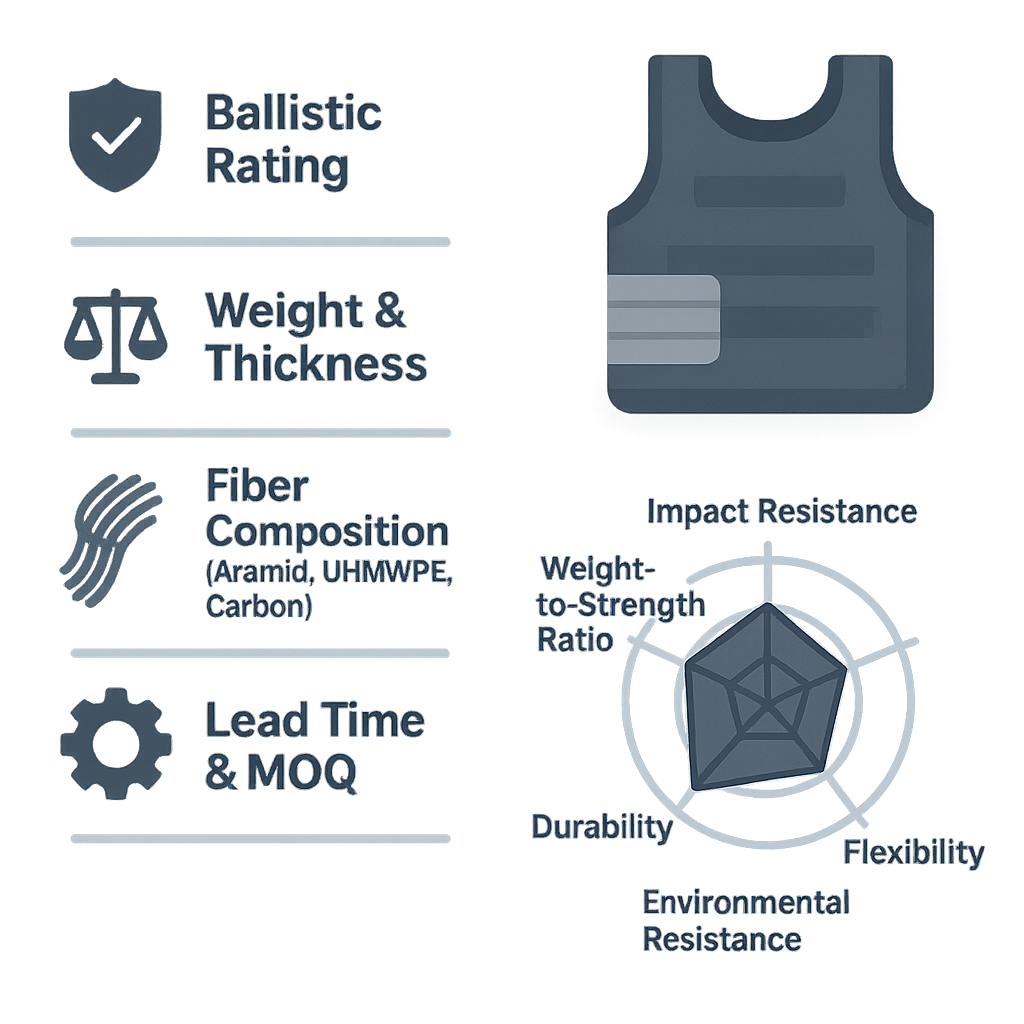
- Impact Resistance: Hybrid fabrics are engineered to absorb and dissipate energy from ballistic impacts, reducing the risk of penetration.
- Weight-to-Strength Ratio: The combination of materials allows for lightweight solutions without compromising strength.
- Flexibility: Hybrid fabrics can be designed to maintain flexibility while providing rigid protection, crucial for comfort in wearables.
- Durability: Resistance to abrasion, UV degradation, and chemical exposure enhances the longevity of the fabric.
Typical Industrial Forms and Specifications
Hybrid fabrics for ballistic systems are available in various forms, including woven, non-woven, and composite structures. Specifications often include weight (measured in grams per square meter), thickness, and specific ballistic ratings (e.g., NIJ levels). Understanding these specifications is critical for ensuring the fabric meets the required performance standards for its intended application.
Key Specifications to Confirm Before Ordering
Key Technical Points
Before placing an order for hybrid fabric, it is essential to confirm several technical specifications:
- Ballistic Rating: Ensure the fabric meets the necessary ballistic protection level as defined by relevant standards.
- Weight and Thickness: These factors directly impact the comfort and usability of the final product.
- Fiber Composition: Understand the specific fibers used and their respective contributions to the fabric’s performance.
Application and Sourcing Considerations
Consider the specific application of the hybrid fabric. For instance, fabrics used in personal armor may require different properties compared to those used in vehicle armor. Additionally, sourcing considerations, such as the supplier’s ability to provide consistent quality and adherence to specifications, are crucial.
Buyer Checklist Before Sampling
- Confirm ballistic ratings and compliance with industry standards.
- Review the material composition and performance characteristics.
- Assess the supplier’s reputation and past performance.
- Request samples to evaluate fabric properties firsthand.
Performance Factors that Affect End Use
Key Technical Points
Understanding the performance factors that influence the end use of hybrid fabrics is vital. These include:
- Environmental Resistance: Fabrics must withstand various environmental conditions, including moisture, temperature fluctuations, and UV exposure.
- Comfort and Wearability: The fabric’s flexibility and weight can significantly affect user comfort, especially in wearable applications.
Application and Sourcing Considerations
Different applications may require unique performance characteristics. For example, tactical gear may prioritize flexibility and weight, while vehicle armor may focus on impact resistance and durability. Understanding these nuances can guide material selection.
Buyer Checklist Before Sampling
- Identify the specific performance characteristics required for your application.
- Evaluate the environmental conditions the fabric will be exposed to.
- Consider the end-user’s comfort and usability needs.
How to Choose for Ballistic Systems
Key Specification Checklist
When selecting hybrid fabric for ballistic systems, a comprehensive checklist can streamline the decision-making process:
- Confirm ballistic performance ratings.
- Assess weight and thickness for comfort and usability.
- Evaluate fiber composition and its impact on performance.
- Consider environmental resistance factors.
Matching Material to Application Conditions
Different applications require tailored solutions. For instance, personal protective gear may prioritize flexibility and comfort, while vehicle armor may focus on maximum impact resistance. Understanding the specific needs of your application will guide material selection.
Common Mistakes Before Sampling or Bulk Order
- Overlooking the importance of ballistic ratings.
- Neglecting to consider the end-user’s comfort and usability.
- Failing to assess environmental resistance requirements.
MOQ, Sampling, Customization, and Lead Time
What Affects Pricing
Pricing for hybrid fabrics can vary based on several factors, including the complexity of the material composition, the manufacturing process, and the supplier’s capabilities. Understanding these factors can help in budgeting for your project.
MOQ, Sample, and Lead Time Considerations
Minimum order quantities (MOQ) and lead times can significantly impact project timelines. It is essential to discuss these aspects with suppliers to ensure alignment with project schedules.
What Buyers Should Confirm Before RFQ
- Clarify MOQ and lead time expectations.
- Confirm pricing structures and any potential additional costs.
- Ensure the supplier can meet specific customization requests.
Common Mistakes Buyers Should Avoid
Key Technical Points
Buyers often make mistakes that can lead to suboptimal material selection. Key points to consider include:
- Assuming all hybrid fabrics are interchangeable without understanding specific performance characteristics.
- Neglecting to evaluate the supplier’s quality assurance processes.
Application and Sourcing Considerations
Understanding the specific application requirements and sourcing from reputable suppliers can mitigate risks associated with material selection.
Buyer Checklist Before Sampling
- Review performance characteristics against application needs.
- Assess supplier capabilities and quality assurance processes.
- Confirm compliance with industry standards.
Inquiry Checklist for Suppliers and Trading Companies
Key Technical Points
When engaging with suppliers, a well-structured inquiry can facilitate better communication and understanding:
- Ask about the specific fibers used and their contributions to performance.
- Inquire about the supplier’s quality control measures.
Application and Sourcing Considerations
Understanding the supplier’s capabilities and past performance can provide insights into their reliability and the quality of materials offered.
Buyer Checklist Before Sampling
- Confirm the supplier’s experience in providing hybrid fabrics for ballistic applications.
- Request documentation for compliance with industry standards.
- Evaluate the supplier’s ability to meet customization requests.
Conclusion
Choosing the right hybrid fabric for ballistic systems is a multifaceted decision that requires careful consideration of specifications, performance characteristics, and application needs. By understanding the intricacies of material selection and avoiding common pitfalls, buyers can make informed decisions that enhance the effectiveness and safety of their ballistic systems. A thorough inquiry process and a clear checklist can further streamline the selection process, ensuring alignment with project requirements and expectations.