
What is Carbon Fiber for Electronics Housings?
Carbon fiber is a high-performance material known for its exceptional strength-to-weight ratio, making it an ideal choice for various applications, including electronics housings. As industries seek to enhance product performance while minimizing weight, understanding the properties and specifications of carbon fiber becomes essential for engineers and decision-makers.
Core Definition and Material Structure
Carbon fiber consists of thin strands of carbon atoms bonded together in a crystalline structure. This arrangement provides remarkable tensile strength and rigidity, which are critical for protecting sensitive electronic components. The material is typically combined with a resin matrix to form a composite, enhancing its mechanical properties and allowing for tailored performance characteristics.
Key Performance Characteristics
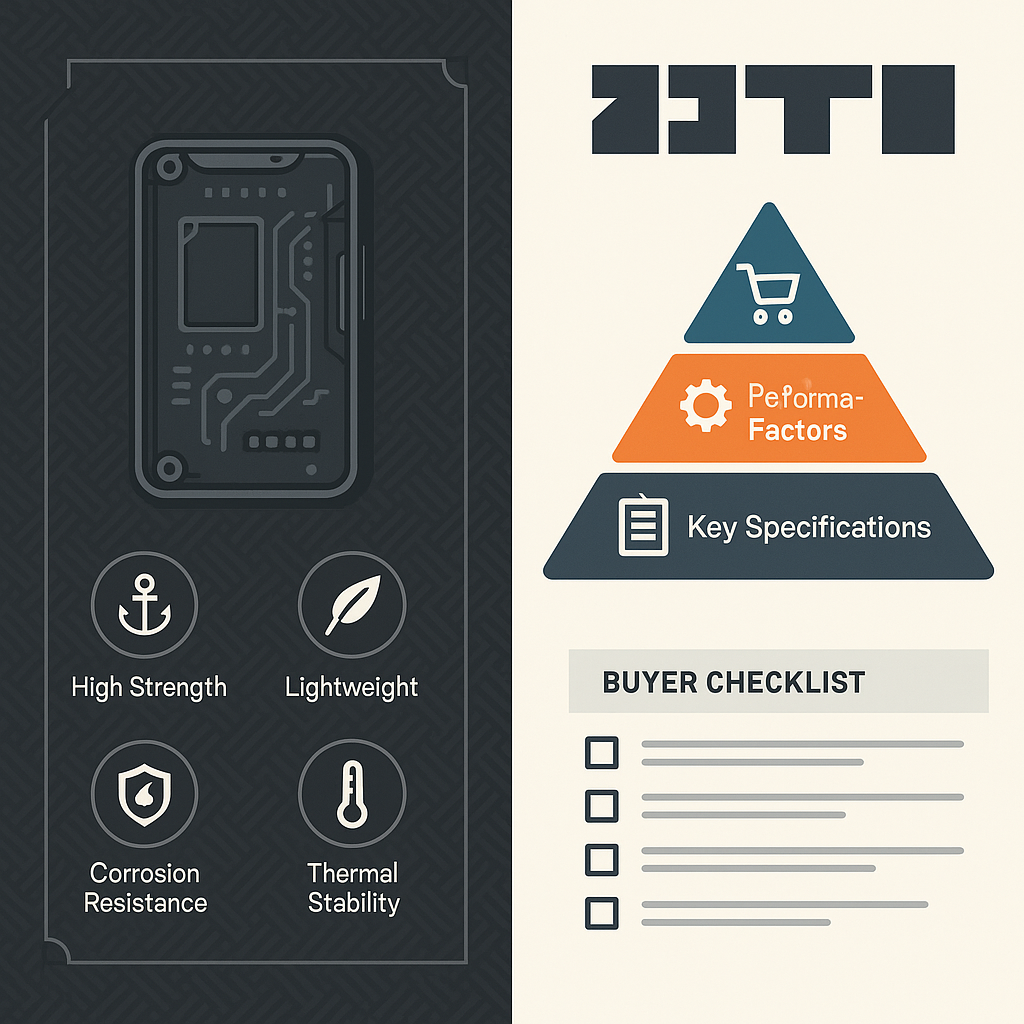
- Lightweight: Carbon fiber is significantly lighter than metals, which is crucial in applications where weight reduction is a priority.
- High Strength: The material exhibits high tensile strength, providing excellent protection against impacts and mechanical stress.
- Corrosion Resistance: Unlike metals, carbon fiber does not corrode, making it suitable for various environmental conditions.
- Thermal Stability: Carbon fiber maintains its properties across a wide temperature range, which is vital for electronics operating in diverse environments.
Typical Industrial Forms and Specifications
Carbon fiber is available in various forms, including sheets, tubes, and custom shapes. The specifications can vary based on the intended application, with factors such as fiber orientation, resin type, and thickness playing a significant role in performance. Understanding these forms and specifications is crucial for selecting the right material for electronics housings.
Key Specifications to Confirm Before Ordering
Key Technical Points
Before placing an order for carbon fiber, it is essential to confirm several technical specifications:
- Tensile Strength: Ensure the material meets the required tensile strength for the intended application.
- Flexural Modulus: This indicates how well the material can withstand bending forces.
- Thermal Conductivity: Important for heat dissipation in electronics.
- Resin Compatibility: Ensure that the chosen resin complements the carbon fiber for optimal performance.
Application and Sourcing Considerations
When sourcing carbon fiber for electronics housings, consider the specific application requirements, such as environmental exposure, mechanical stresses, and aesthetic preferences. Collaborating with a knowledgeable sourcing partner can help navigate these complexities.
Buyer Checklist Before Sampling
- Define performance requirements clearly.
- Identify the environmental conditions the housing will face.
- Confirm compatibility with other materials used in the assembly.
- Assess the availability of the desired specifications from suppliers.
Performance Factors That Affect End Use
Key Technical Points
Several performance factors can significantly impact the effectiveness of carbon fiber in electronics housings:
- Impact Resistance: Evaluate how well the material can absorb shock and protect internal components.
- Electrical Conductivity: Depending on the application, the electrical properties of carbon fiber may need to be considered.
- Moisture Resistance: Ensure that the material can withstand exposure to moisture without degrading.
Application and Sourcing Considerations
Understanding the specific application requirements is critical. For instance, if the electronics housing will be exposed to high temperatures or corrosive environments, selecting a carbon fiber with appropriate thermal and chemical resistance is essential. Sourcing partners can provide insights into the best options available.
Buyer Checklist Before Sampling
- Assess the impact resistance needed for your application.
- Determine if electrical conductivity is a factor.
- Evaluate moisture resistance requirements.
- Review the environmental conditions the housing will encounter.
How to Choose for Electronics Housings
Key Specification Checklist
When selecting carbon fiber for electronics housings, consider the following specifications:
- Weight Limitations: Ensure the material meets any weight constraints.
- Dimensional Stability: Confirm that the material maintains its shape under varying conditions.
- Surface Finish: Consider the aesthetic and functional requirements of the surface finish.
Matching Material to Application Conditions
It’s crucial to match the carbon fiber specifications to the specific conditions of the application. For example, if the housing will be used in a high-vibration environment, selecting a material with enhanced durability and impact resistance is advisable.
Common Mistakes Before Sampling or Bulk Order
- Overlooking environmental factors that may affect performance.
- Failing to confirm compatibility with other materials.
- Neglecting to evaluate the full range of specifications.
MOQ, Sampling, Customization, and Lead Time
What Affects Pricing
The pricing of carbon fiber can be influenced by several factors, including the type of fiber, the complexity of the composite, and the volume of the order. Understanding these factors can help in budgeting and sourcing decisions.
MOQ, Sample, and Lead Time Considerations
Minimum Order Quantities (MOQ) can vary significantly among suppliers. It is essential to clarify these terms before proceeding with an order. Additionally, lead times can be affected by the complexity of the customizations required, so planning ahead is advisable.
What Buyers Should Confirm Before RFQ
- Confirm the supplier’s ability to meet your specifications.
- Clarify lead times and MOQ.
- Ensure that the supplier can provide samples for evaluation.
Common Mistakes Buyers Should Avoid
Key Technical Points
Buyers often make mistakes that can lead to suboptimal material choices. Common pitfalls include:
- Relying solely on cost without considering performance.
- Ignoring the importance of testing samples before bulk orders.
- Failing to engage with suppliers to clarify specifications.
Application and Sourcing Considerations
Understanding the application context is vital. Buyers should engage with suppliers to ensure that the selected carbon fiber meets all necessary performance criteria for their specific use case.
Buyer Checklist Before Sampling
- Review all technical specifications carefully.
- Engage with suppliers for insights on material performance.
- Test samples in real-world conditions when possible.
Inquiry Checklist for Suppliers and Trading Companies
Key Technical Points
When reaching out to suppliers, it is essential to ask the right questions to ensure that you receive the most relevant information:
- What are the available specifications for the carbon fiber?
- Can you provide samples for testing?
- What is the lead time for orders?
Application and Sourcing Considerations
Inquire about the supplier’s experience with similar applications. Understanding their capabilities can provide insights into the best material choices for your needs.
Buyer Checklist Before Sampling
- Prepare a list of specifications and questions for suppliers.
- Clarify any customization needs upfront.
- Ensure that you understand the supplier’s capabilities and limitations.
Conclusion
Choosing the right carbon fiber for electronics housings involves a thorough understanding of material properties, application requirements, and sourcing considerations. By carefully evaluating specifications, performance factors, and common pitfalls, decision-makers can make informed choices that enhance product performance and durability. Engaging with knowledgeable suppliers and conducting thorough testing will further ensure that the selected material meets the necessary criteria for success in the field.