
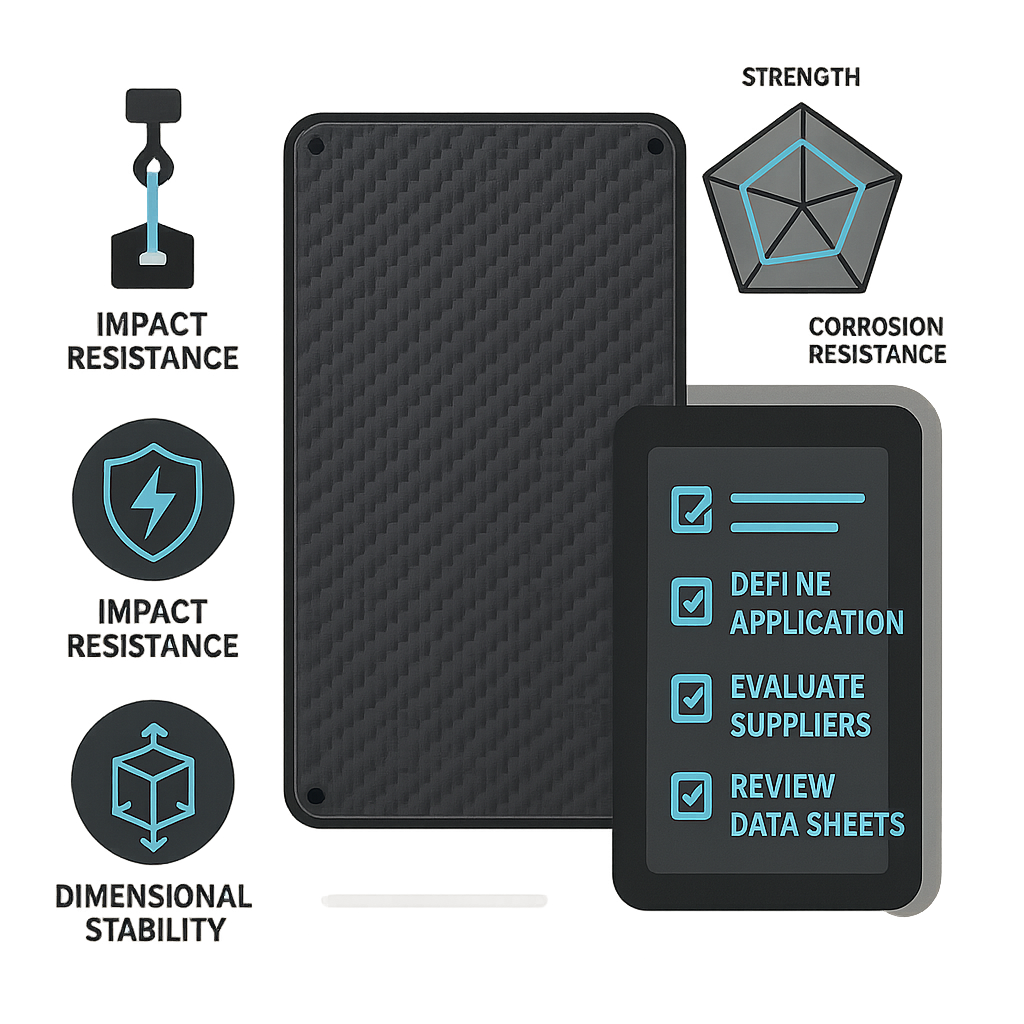
Why Carbon Fiber is Used in Industrial Panels
Carbon fiber has gained significant traction in various industries due to its unique properties and performance characteristics. When it comes to industrial panels, carbon fiber offers a range of advantages that make it a preferred choice for many applications. Understanding these benefits can help businesses make informed decisions about material selection and sourcing.
Key Technical Points
Carbon fiber is known for its high strength-to-weight ratio, stiffness, and resistance to corrosion. These attributes make it particularly suitable for industrial panels that require durability without adding excessive weight. Additionally, carbon fiber exhibits excellent thermal and electrical conductivity, which can be beneficial in specific applications.
Application and Sourcing Considerations
When considering carbon fiber for industrial panels, it’s essential to evaluate the specific application requirements. Factors such as load-bearing capacity, environmental conditions, and aesthetic considerations can influence the choice of carbon fiber type and construction method. Sourcing partners should be able to provide insights into the best options available based on these criteria.
Buyer Checklist Before Sampling
- Define the specific application and performance requirements.
- Research potential suppliers and their material offerings.
- Request technical data sheets and sample materials for evaluation.
- Consider the supplier’s experience with carbon fiber applications.
Key Performance Requirements
Key Technical Points
Performance requirements for carbon fiber industrial panels often include tensile strength, impact resistance, and dimensional stability. Understanding these metrics is crucial for ensuring that the selected material meets the demands of the intended application.
Application and Sourcing Considerations
Different applications may prioritize various performance aspects. For instance, panels used in aerospace applications may require higher strength and lower weight, while panels for construction might focus more on durability and weather resistance. Collaborating with knowledgeable suppliers can help identify the right specifications for your needs.
Buyer Checklist Before Sampling
- Assess the performance metrics relevant to your application.
- Evaluate the supplier’s ability to meet these performance standards.
- Consider the long-term implications of material performance.
Material Construction and Specification Options
Key Technical Points
Carbon fiber panels can be constructed using various methods, including layering and weaving techniques. The choice of construction method can significantly impact the panel’s performance characteristics, such as flexibility and strength.
Application and Sourcing Considerations
When sourcing carbon fiber panels, it’s important to consider the construction method that aligns with your application requirements. For example, woven carbon fiber may offer enhanced flexibility, while unidirectional layers may provide superior strength.
Buyer Checklist Before Sampling
- Identify the construction method that best suits your application.
- Request samples to evaluate the material’s properties.
- Discuss customization options with potential suppliers.
Processing, Lamination, or Fabrication Considerations
Common Processing Methods
Processing methods for carbon fiber panels can include lamination, molding, and machining. Each method has its advantages and limitations, which can affect the final product’s performance and cost.
Design and Fabrication Limitations
While carbon fiber offers many benefits, it also presents certain challenges in design and fabrication. For instance, the brittleness of carbon fiber can limit its use in applications requiring high impact resistance. Understanding these limitations is crucial for successful implementation.
Implications for Sourcing and Customization
When sourcing carbon fiber panels, it’s essential to discuss processing capabilities with suppliers. Customization options may be available, but they can also affect lead times and costs. A clear understanding of your requirements will facilitate better sourcing decisions.
Common Standards, Testing, or Buyer Concerns
Relevant Test Methods
Testing methods for carbon fiber panels typically include tensile tests, flexural tests, and impact tests. These tests help verify that the material meets the specified performance criteria.
Standards Buyers Often Ask About
Buyers frequently inquire about industry standards such as ASTM, ISO, and SAE. Familiarity with these standards can help ensure that the selected materials comply with regulatory requirements.
How to Verify Compliance with Suppliers
To verify compliance, buyers should request documentation from suppliers that outlines the testing methods used and the results obtained. Additionally, engaging in discussions about the supplier’s quality assurance processes can provide further assurance.
How to Evaluate Samples Before Bulk Order
Key Technical Points
Evaluating samples is a critical step in the sourcing process. Buyers should assess the physical properties, appearance, and overall quality of the samples to ensure they meet the specified requirements.
Application and Sourcing Considerations
Consider how the sample performs under conditions similar to the intended application. This evaluation can provide valuable insights into the material’s suitability for your project.
Buyer Checklist Before Sampling
- Define the criteria for sample evaluation.
- Conduct tests to assess performance metrics.
- Gather feedback from team members involved in the decision-making process.
In conclusion, carbon fiber for industrial panels presents a compelling option for businesses seeking high-performance materials. By understanding the technical points, performance requirements, and sourcing considerations, buyers can make informed decisions that align with their specific needs. Evaluating samples thoroughly before placing bulk orders can further ensure that the selected materials meet the intended application requirements.