
Product Structure and Available Forms
Carbon fiber fabric is a versatile material widely used across various industries due to its exceptional strength-to-weight ratio and rigidity. Understanding the structure and available forms of carbon fiber fabric is essential for identifying potential defects and ensuring optimal performance in applications.
Key Technical Points
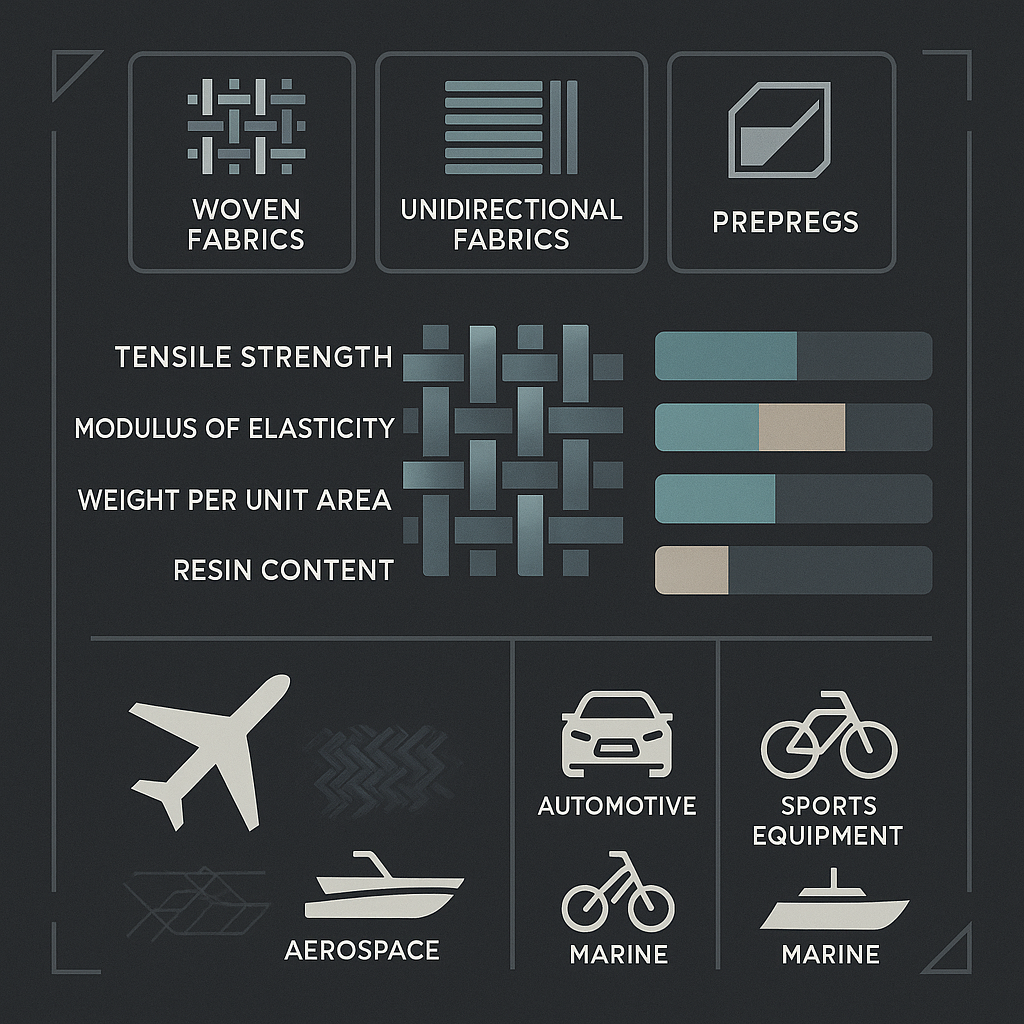
Carbon fiber fabric typically consists of woven strands of carbon fibers, which can vary in thickness, weave pattern, and resin content. The most common forms include:
- Woven Fabrics: These are made by interlacing carbon fibers in a specific pattern, offering different mechanical properties based on the weave type.
- Unidirectional Fabrics: In these fabrics, fibers are aligned in a single direction, providing maximum strength along that axis.
- Prepregs: These are carbon fiber fabrics pre-impregnated with resin, allowing for easier handling and consistent quality.
Application and Sourcing Considerations
When sourcing carbon fiber fabric, it is crucial to consider the specific application requirements. For instance, aerospace applications may demand higher performance standards compared to automotive uses. Additionally, understanding the sourcing landscape, including the reliability of suppliers and the quality of their materials, can significantly impact the final product’s performance.
Buyer Checklist Before Sampling
- Define the application requirements clearly.
- Assess the supplier’s reputation and experience in the industry.
- Request samples to evaluate the fabric’s properties.
- Inquire about the testing methods used to ensure quality.
Key Specifications and Test Items
To ensure that carbon fiber fabric meets the necessary performance criteria, various specifications and test items should be evaluated. Understanding these can help identify common defects that may arise during production or handling.
Key Technical Points
Important specifications include:
- Tensile Strength: The maximum stress the fabric can withstand before failure.
- Modulus of Elasticity: A measure of the fabric’s stiffness.
- Weight per Unit Area: This affects the overall weight of the final product.
- Resin Content: The amount of resin in the fabric can influence its mechanical properties.
Application and Sourcing Considerations
Different applications may prioritize different specifications. For example, high-performance aerospace components may require fabrics with higher tensile strength and lower weight, while automotive applications might focus more on cost-effectiveness and durability. Understanding these nuances can guide sourcing decisions.
Buyer Checklist Before Sampling
- Identify the critical specifications for your application.
- Ensure the supplier can meet these specifications consistently.
- Request documentation of previous test results.
- Consider the environmental conditions the fabric will face in its application.
Common End Uses and Industries
Carbon fiber fabric finds applications in various industries due to its unique properties. Understanding the common end uses can help buyers identify potential defects and their implications.
Typical Industries Using This Material
- Aerospace: Used in aircraft components for weight reduction and strength.
- Automotive: Applied in high-performance vehicles for enhanced performance.
- Sports Equipment: Utilized in items like bicycles and tennis rackets for improved performance.
- Marine: Used in boat hulls and components for durability and weight savings.
Why Engineers and Buyers Choose It
Engineers and buyers often choose carbon fiber fabric for its exceptional mechanical properties, including high tensile strength, low weight, and resistance to corrosion. These attributes make it an attractive option for applications where performance and durability are critical.
When Another Material May Be Better
While carbon fiber fabric offers numerous advantages, there are instances where other materials may be more suitable. For example, if cost is a primary concern, fiberglass may provide a more economical alternative, albeit with lower performance characteristics. Additionally, for applications requiring flexibility, materials like aramid fibers may be more appropriate.
Customization Options
Customization is often necessary to meet specific application requirements. Understanding the available options can help buyers avoid common defects associated with poorly specified materials.
Key Technical Points
Customization options for carbon fiber fabric may include:
- Weave Patterns: Different weave patterns can influence the fabric’s mechanical properties.
- Resin Types: The choice of resin can affect the fabric’s performance in various environments.
- Thickness: Varying the thickness can provide different performance characteristics.
Application and Sourcing Considerations
When customizing carbon fiber fabric, it is vital to consider how these changes will impact the fabric’s performance in its intended application. Collaborating closely with suppliers can help ensure that the final product meets all necessary specifications.
Buyer Checklist Before Sampling
- Clearly define your customization requirements.
- Discuss potential impacts on performance with your supplier.
- Request prototypes to evaluate the customized fabric.
- Ensure that the supplier has experience with the required customizations.
Sampling, Qualification, and Order Workflow
A structured approach to sampling, qualification, and ordering can help mitigate the risk of defects in carbon fiber fabric. Understanding this workflow is essential for making informed sourcing decisions.
Key Technical Points
The workflow typically includes:
- Initial Sampling: Request samples to assess the fabric’s properties.
- Qualification Testing: Conduct tests to ensure the fabric meets specified requirements.
- Order Placement: Place orders based on successful qualification.
Application and Sourcing Considerations
Each step in the workflow should be tailored to the specific application. For instance, aerospace applications may require more rigorous testing compared to automotive uses. Understanding these differences can guide decision-making.
Buyer Checklist Before Sampling
- Establish a clear timeline for sampling and qualification.
- Identify the tests required for your application.
- Communicate your expectations clearly to the supplier.
- Document all findings during the sampling process.
How to Compare Offers from Different Suppliers
When evaluating offers from various carbon fiber fabric suppliers, understanding the key factors to consider can help ensure you select the best option for your needs.
Key Technical Points
Important factors to compare include:
- Material Specifications: Ensure that the materials meet your application requirements.
- Quality Assurance Processes: Evaluate the supplier’s quality control measures.
- Lead Times: Consider how quickly the supplier can deliver the fabric.
- Cost: While not the only factor, pricing should be competitive and reflect the quality offered.
Application and Sourcing Considerations
Different suppliers may excel in various areas, such as quality, cost, or lead time. Understanding your priorities can help you make a more informed decision when comparing offers.
Buyer Checklist Before Sampling
- List your priorities for material specifications, quality, and cost.
- Request detailed quotes from multiple suppliers.
- Evaluate the supplier’s reputation and experience.
- Consider the long-term relationship potential with the supplier.
Conclusion
Understanding the common defects in carbon fiber fabric is essential for making informed decisions in sourcing and application. By considering the product structure, specifications, and sourcing strategies, engineers and buyers can mitigate risks associated with defects and ensure optimal performance in their applications. A thoughtful approach to sampling, qualification, and supplier comparison will further enhance the likelihood of success in utilizing carbon fiber fabric effectively.