
Product Structure and Available Forms
Understanding the structure of carbon fiber fabric is crucial for selecting the appropriate coating options. Carbon fiber fabric is typically woven from high-strength carbon fibers, which are known for their exceptional tensile strength and lightweight properties. These fabrics can be found in various forms, including unidirectional, woven, and stitched configurations, each offering unique benefits depending on the application.
Key Technical Points
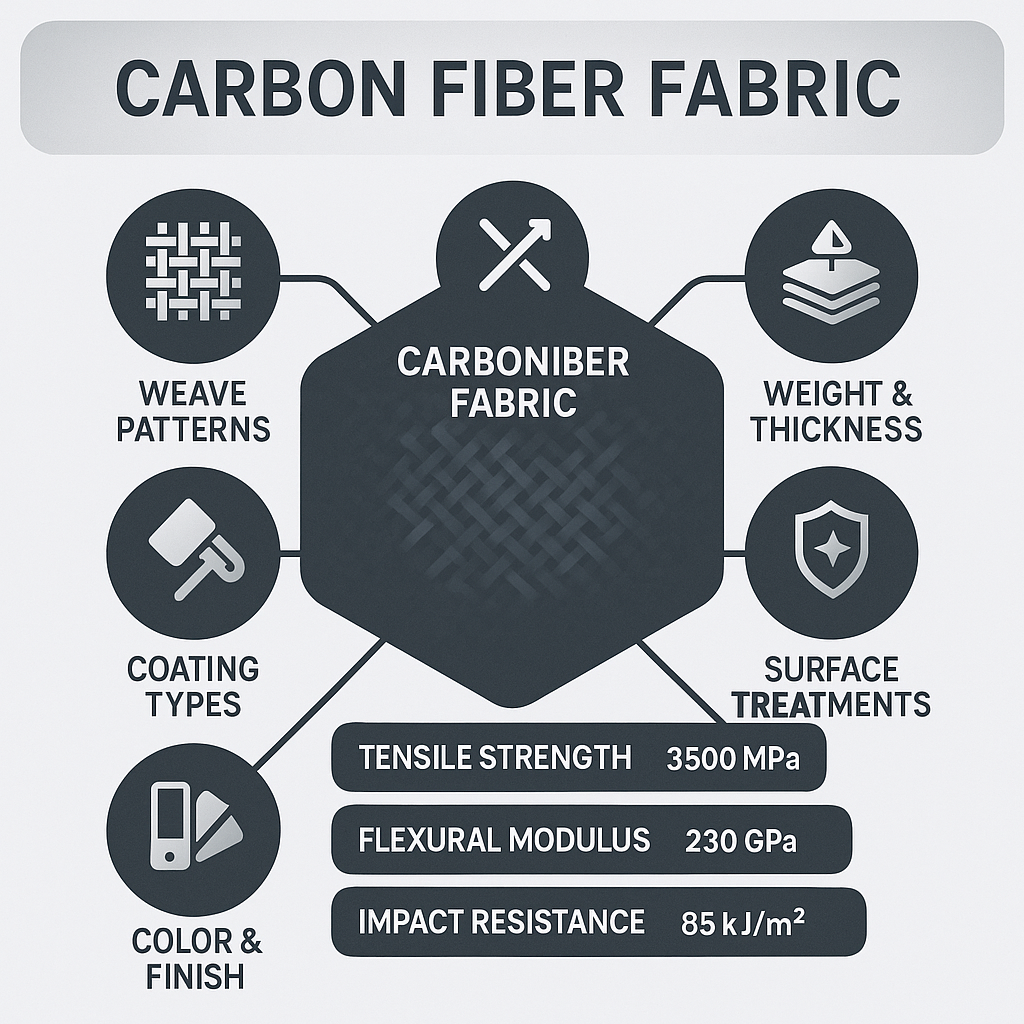
- Weave Patterns: The weave pattern can significantly influence the fabric’s mechanical properties and its compatibility with different coatings.
- Fiber Orientation: Unidirectional fabrics provide high strength in one direction, while woven fabrics offer balanced properties.
- Weight and Thickness: The weight of the fabric (measured in grams per square meter) and its thickness can affect the choice of coating.
Application and Sourcing Considerations
When considering carbon fiber fabric coating options, it’s essential to evaluate the intended application. Different industries may require specific performance characteristics, such as chemical resistance, UV stability, or thermal insulation. Sourcing the right fabric from a reputable carbon fiber fabric supplier can ensure that the material meets these requirements.
Buyer Checklist Before Sampling
- Define the application and performance requirements.
- Identify the necessary coating properties (e.g., adhesion, flexibility).
- Research potential suppliers and their product offerings.
- Request samples to evaluate compatibility with your application.
Key Specifications and Test Items
Understanding the specifications and test items relevant to carbon fiber fabric coatings is vital for ensuring that the selected materials meet industry standards.
Key Technical Points
- Tensile Strength: Measure the fabric’s ability to withstand tension without breaking.
- Flexural Modulus: Assess the fabric’s stiffness and resistance to bending.
- Impact Resistance: Evaluate how well the coated fabric can absorb energy during impact.
Application and Sourcing Considerations
Different applications may prioritize different specifications. For instance, aerospace applications may require high tensile strength and low weight, while automotive applications might focus on impact resistance and durability. Understanding these nuances can guide sourcing decisions.
Buyer Checklist Before Sampling
- Determine the critical specifications for your application.
- Review relevant industry standards and certifications.
- Ensure that the supplier can provide test data for their products.
Common End Uses and Industries
Carbon fiber fabric is utilized across various industries due to its unique properties. Understanding these applications can help in selecting the right coating options.
Typical Industries Using This Material
- Aerospace: Lightweight and high-strength materials are essential for aircraft components.
- Automotive: Used in high-performance vehicles for weight reduction and improved fuel efficiency.
- Sports Equipment: Enhances performance and durability in items like bicycles and tennis rackets.
Why Engineers and Buyers Choose It
Engineers and buyers often choose carbon fiber fabric due to its superior strength-to-weight ratio, corrosion resistance, and versatility. These properties make it suitable for demanding applications where performance is critical.
When Another Material May Be Better
While carbon fiber offers numerous advantages, there are scenarios where alternative materials may be more suitable. For example, if cost is a primary concern, fiberglass may provide a more economical solution, albeit with lower performance characteristics.
Customization Options
Customization can play a significant role in optimizing carbon fiber fabric for specific applications. Understanding the available options can enhance performance and compatibility.
Key Technical Points
- Coating Types: Options include epoxy, polyurethane, and silicone, each offering different properties.
- Color and Finish: Custom colors and finishes can enhance aesthetic appeal and functionality.
- Surface Treatments: Treatments can improve adhesion and compatibility with other materials.
Application and Sourcing Considerations
When customizing carbon fiber fabric, consider how the chosen coating will interact with the fabric and the end-use application. Collaborating with a knowledgeable carbon fiber fabric supplier can help identify the best options.
Buyer Checklist Before Sampling
- Identify specific customization needs for your application.
- Discuss options with potential suppliers to understand capabilities.
- Request samples of customized fabrics to evaluate performance.
Sampling, Qualification, and Order Workflow
The process of sampling, qualification, and ordering carbon fiber fabric can be complex. Understanding the workflow can streamline decision-making.
Key Technical Points
- Sampling: Request samples to assess compatibility with your application.
- Qualification: Ensure that the fabric meets performance specifications through testing.
- Ordering: Establish clear communication with suppliers regarding lead times and delivery expectations.
Application and Sourcing Considerations
Consider the timelines for sampling and qualification in relation to your project deadlines. Engaging with suppliers early in the process can help mitigate delays.
Buyer Checklist Before Sampling
- Define your project timeline and key milestones.
- Communicate your requirements clearly to suppliers.
- Evaluate the supplier’s ability to meet your needs throughout the workflow.
How to Compare Offers from Different Suppliers
When evaluating offers from various carbon fiber fabric suppliers, a systematic approach can help ensure that you make an informed decision.
Key Technical Points
- Performance Data: Compare technical specifications and test results from different suppliers.
- Coating Options: Assess the range of coating options available and their suitability for your application.
- Customization Capabilities: Evaluate each supplier’s ability to meet your specific needs.
Application and Sourcing Considerations
Consider the long-term relationship with suppliers, including their reliability and responsiveness. A supplier that understands your industry can provide valuable insights and support.
Buyer Checklist Before Sampling
- Compile a comparison matrix of potential suppliers.
- Review feedback and testimonials from other customers.
- Assess the overall value proposition, not just the price.
Conclusion
Choosing the right carbon fiber fabric coating options involves a thorough understanding of the material’s properties, applications, and sourcing considerations. By following the outlined checklists and engaging with knowledgeable suppliers, decision-makers can ensure they select the most suitable materials for their specific needs. This thoughtful approach not only enhances performance but also contributes to the overall success of the project.