
Why Carbon Fiber is Used in Automotive Parts
Carbon fiber is increasingly becoming a preferred material in the automotive industry due to its unique properties, such as high strength-to-weight ratio, excellent fatigue resistance, and corrosion resistance. As automotive manufacturers strive to enhance performance while reducing weight and improving fuel efficiency, carbon fiber for automotive parts has emerged as a viable solution. This article delves into the reasons behind its use, key performance requirements, and considerations for sourcing and application.
Key Technical Points
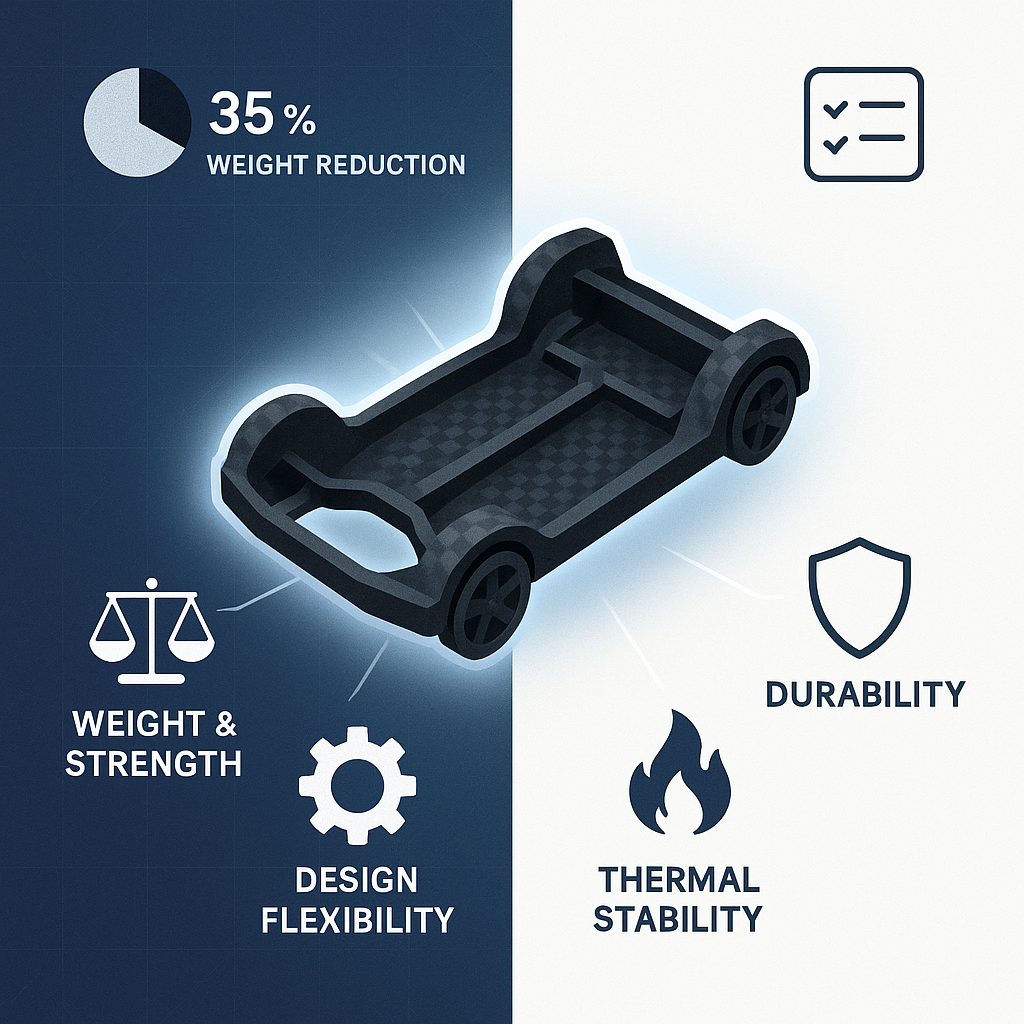
- Strength and Weight: Carbon fiber composites are significantly lighter than metals like steel and aluminum while offering comparable or superior strength. This weight reduction contributes to improved fuel efficiency and handling.
- Durability: Carbon fiber exhibits excellent resistance to environmental factors, including moisture and chemicals, making it suitable for various automotive applications.
- Design Flexibility: The material can be molded into complex shapes, allowing for innovative designs that enhance both aesthetics and functionality.
Application and Sourcing Considerations
When considering carbon fiber for automotive parts, it is essential to evaluate the specific application. Different automotive components, such as body panels, structural elements, and interior parts, may have varying requirements in terms of strength, flexibility, and weight. Sourcing partners should be capable of providing materials tailored to these needs, ensuring compatibility with existing manufacturing processes.
Buyer Checklist Before Sampling
- Define the specific application and performance requirements.
- Assess the supplier’s experience and expertise in carbon fiber materials.
- Request material specifications and relevant certifications.
- Evaluate the supplier’s ability to meet lead times and production volumes.
Key Performance Requirements
Key Technical Points
Understanding the performance requirements of carbon fiber in automotive applications is crucial for making informed decisions. Key factors include:
- Tensile Strength: The ability of the material to withstand pulling forces without breaking.
- Impact Resistance: The capacity to absorb energy during collisions, which is vital for safety.
- Thermal Stability: Resistance to deformation under high temperatures, particularly in engine components.
Application and Sourcing Considerations
Different automotive applications may prioritize different performance characteristics. For instance, components exposed to high temperatures may require specialized carbon fiber formulations. Buyers should work closely with sourcing partners to identify the right material specifications for their specific applications.
Buyer Checklist Before Sampling
- Identify the critical performance metrics for your application.
- Discuss potential trade-offs between weight, strength, and cost.
- Ensure the supplier can provide samples that meet your specifications.
- Review any relevant testing data or case studies.
Material Construction and Specification Options
Key Technical Points
Carbon fiber materials can be constructed in various ways, influencing their performance and suitability for different applications. Key construction types include:
- Unidirectional Fabrics: Offer high strength in one direction, ideal for specific load-bearing applications.
- Woven Fabrics: Provide multi-directional strength, suitable for components requiring balanced performance.
- Prepregs: Pre-impregnated fibers that allow for precise control over resin content and curing processes.
Application and Sourcing Considerations
Choosing the right construction type is essential for meeting performance requirements. Buyers should consult with sourcing partners to understand the implications of different material constructions on performance and cost.
Buyer Checklist Before Sampling
- Determine the necessary construction type based on application needs.
- Evaluate the supplier’s capabilities in producing the desired material construction.
- Request samples of different constructions to assess performance.
- Discuss potential customization options with the supplier.
Processing, Lamination, or Fabrication Considerations
Common Processing Methods
Processing methods for carbon fiber include layup, molding, and infusion techniques. Each method has its advantages and limitations:
- Hand Layup: Simple and cost-effective but labor-intensive.
- Resin Transfer Molding (RTM): Offers better control over resin distribution and is suitable for complex shapes.
- Vacuum Infusion: Provides high-quality finishes and is suitable for larger parts.
Design and Fabrication Limitations
While carbon fiber offers many advantages, there are limitations to consider. For example, the material can be more expensive than traditional metals, and its processing may require specialized equipment and expertise. Buyers should weigh these factors against the performance benefits.
Implications for Sourcing and Customization
Understanding the processing methods and their implications can help buyers make informed sourcing decisions. Collaborating with suppliers who have expertise in carbon fiber processing can lead to better outcomes in terms of quality and performance.
Common Standards, Testing, or Buyer Concerns
Relevant Test Methods
Testing is crucial to ensure that carbon fiber materials meet the necessary performance standards. Common test methods include:
- Tensile Testing: Measures the material’s strength and elongation.
- Impact Testing: Assesses the material’s ability to withstand sudden forces.
- Thermal Cycling Tests: Evaluates performance under varying temperature conditions.
Standards Buyers Often Ask About
Buyers frequently inquire about industry standards related to carbon fiber materials, such as:
- ASTM D3039 for tensile properties.
- ASTM D7264 for flexural properties.
- ISO 527 for tensile testing of plastics.
How to Verify Compliance with Suppliers
To ensure compliance with relevant standards, buyers should request documentation from suppliers, including test reports and certifications. Establishing a clear communication channel with suppliers can facilitate the verification process.
How to Evaluate Samples Before Bulk Order
Key Technical Points
Evaluating samples is a critical step before placing bulk orders. Key aspects to consider include:
- Visual Inspection: Check for any visible defects or inconsistencies.
- Performance Testing: Conduct relevant tests to verify that the samples meet your specifications.
- Compatibility Assessment: Ensure the material is compatible with your existing manufacturing processes.
Application and Sourcing Considerations
When evaluating samples, consider how the material will perform in your specific application. Collaborate with your sourcing partner to understand the implications of the sample’s performance on your final product.
Buyer Checklist Before Sampling
- Define the criteria for sample evaluation.
- Conduct thorough performance tests on the samples.
- Assess the supplier’s responsiveness and support during the evaluation process.
- Document findings to inform future sourcing decisions.
In conclusion, carbon fiber for automotive parts offers numerous advantages, including weight reduction, strength, and design flexibility. However, careful consideration of performance requirements, material specifications, and sourcing capabilities is essential for successful application. By following the outlined guidelines, buyers can make informed decisions that align with their specific needs, ultimately leading to enhanced performance and efficiency in their automotive applications.