
What does what is bonded nylon thread used for properties mean in sewing thread applications?
Understanding the properties of bonded nylon thread is essential for professionals involved in sewing thread selection. This thread type is known for its unique characteristics that enhance sewing performance across various applications. Knowing what bonded nylon thread is used for can significantly influence the quality and durability of the final product.
Basic definition
Bonded nylon thread is a type of sewing thread made from nylon fibers that have been treated with a bonding agent. This process increases the thread’s strength and durability, making it suitable for heavy-duty applications. The bonding agent helps to reduce fraying and improves the thread’s resistance to abrasion, which is crucial in high-stress sewing environments.
Why it matters in sewing performance
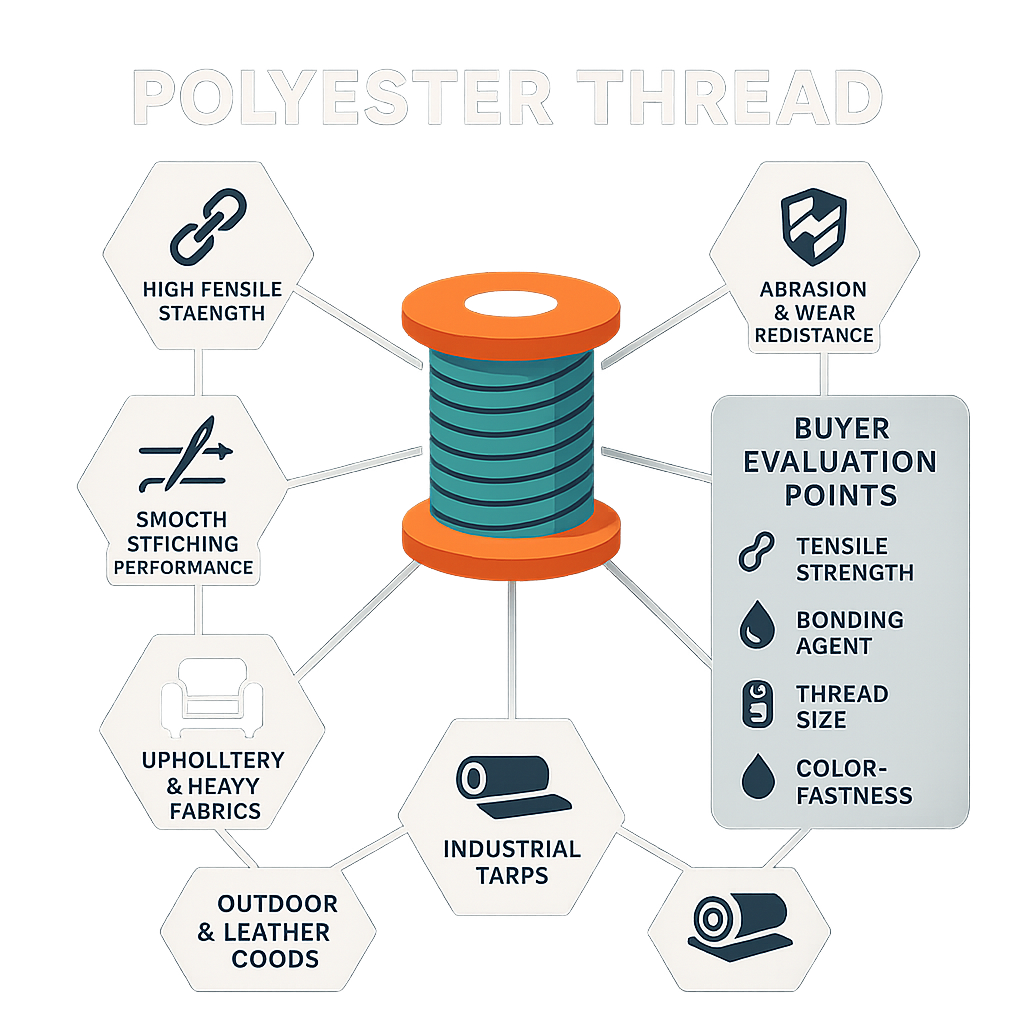
The properties of bonded nylon thread directly affect sewing performance. Its high tensile strength allows it to withstand significant pulling forces without breaking, making it ideal for applications where durability is paramount. Additionally, the smooth surface of bonded nylon reduces friction during sewing, leading to fewer thread breaks and smoother stitching. Understanding these properties helps buyers make informed decisions when selecting threads for specific applications.
Where is what is bonded nylon thread used for properties used?
Bonded nylon thread is versatile and finds applications in various industries. Its unique properties make it suitable for a range of sewing tasks, from upholstery to outdoor gear manufacturing.
Common sewing thread products or applications
- Upholstery: Used in furniture and automotive upholstery due to its durability and resistance to wear.
- Outdoor gear: Ideal for sewing tents, backpacks, and outdoor apparel, where exposure to the elements is a concern.
- Leather goods: Commonly used in leather products, including bags and shoes, where strength is critical.
- Industrial applications: Frequently employed in manufacturing processes that require robust stitching, such as in the production of tarps and heavy-duty fabrics.
What buyers usually check
When evaluating bonded nylon thread, buyers typically consider several key factors:
- Tensile strength: The ability of the thread to withstand tension without breaking.
- Bonding agent: The type and quality of the bonding agent used can affect performance.
- Thread size: The diameter of the thread, which can influence the type of needle and sewing machine settings required.
- Colorfastness: The ability of the thread to retain its color when exposed to washing or sunlight.
How to evaluate what is bonded nylon thread used for properties
Evaluating the properties of bonded nylon thread involves understanding the specifications provided by suppliers and recognizing common misconceptions.
Key points on a specification sheet
When reviewing a specification sheet for bonded nylon thread, consider the following key points:
- Material composition: Ensure that the thread is made from high-quality nylon to guarantee its strength and durability.
- Thread count: Higher thread counts generally indicate a finer, stronger thread.
- Recommended applications: Look for guidance on the intended use of the thread, as this can help in selecting the right type for your needs.
- Performance ratings: Check for any performance ratings or certifications that indicate the thread’s reliability in specific applications.
Common misunderstandings
Several misconceptions can lead to poor thread selection:
- All nylon threads are the same: Different types of nylon threads have varying properties, and bonded nylon is specifically designed for heavy-duty applications.
- Bonded nylon is only for industrial use: While it excels in industrial settings, bonded nylon can also be beneficial for high-quality consumer products.
- Color does not matter: The color of the thread can affect the final appearance of the product, especially in visible seams.
Practical takeaway for sourcing teams
For sourcing teams, understanding the properties of bonded nylon thread is crucial for making informed purchasing decisions. Here are some practical considerations:
When to ask for samples
Requesting samples is advisable when:
- You are unsure about the thread’s performance in your specific application.
- You want to evaluate the thread’s colorfastness and overall appearance in your final product.
- You are comparing multiple suppliers and need to assess quality differences.
When another thread type may fit better
While bonded nylon thread has many advantages, there are situations where another thread type may be more suitable:
- Cost considerations: If budget constraints are significant, other thread types may offer a more economical solution.
- Specific material requirements: For projects requiring a specific aesthetic or texture, other materials may be more appropriate.
- Environmental factors: In applications exposed to extreme temperatures or chemicals, specialized threads may be necessary.
In conclusion, understanding what bonded nylon thread is used for and its properties is essential for making informed decisions in sewing thread selection. By evaluating its characteristics, applications, and performance metrics, sourcing teams can ensure they choose the right thread for their specific needs, ultimately enhancing the quality and durability of their products.