
What does thread sample approval benefits mean in sewing thread applications?
Thread sample approval is a critical process in the sewing thread industry that ensures the selected thread meets the specific requirements of a project. Understanding the thread sample approval benefits is essential for manufacturers, distributors, and sourcing managers who aim to optimize sewing performance and material selection.
Basic definition
Thread sample approval refers to the practice of evaluating and approving a sample of sewing thread before it is used in production. This process allows stakeholders to assess the thread’s characteristics, such as strength, colorfastness, and compatibility with various fabrics. By obtaining approval on a sample, buyers can ensure that the final product will meet their quality and performance standards.
Why it matters in sewing performance
The benefits of thread sample approval extend beyond mere compliance; they directly impact the quality of the finished product. Here are a few reasons why this process is vital:
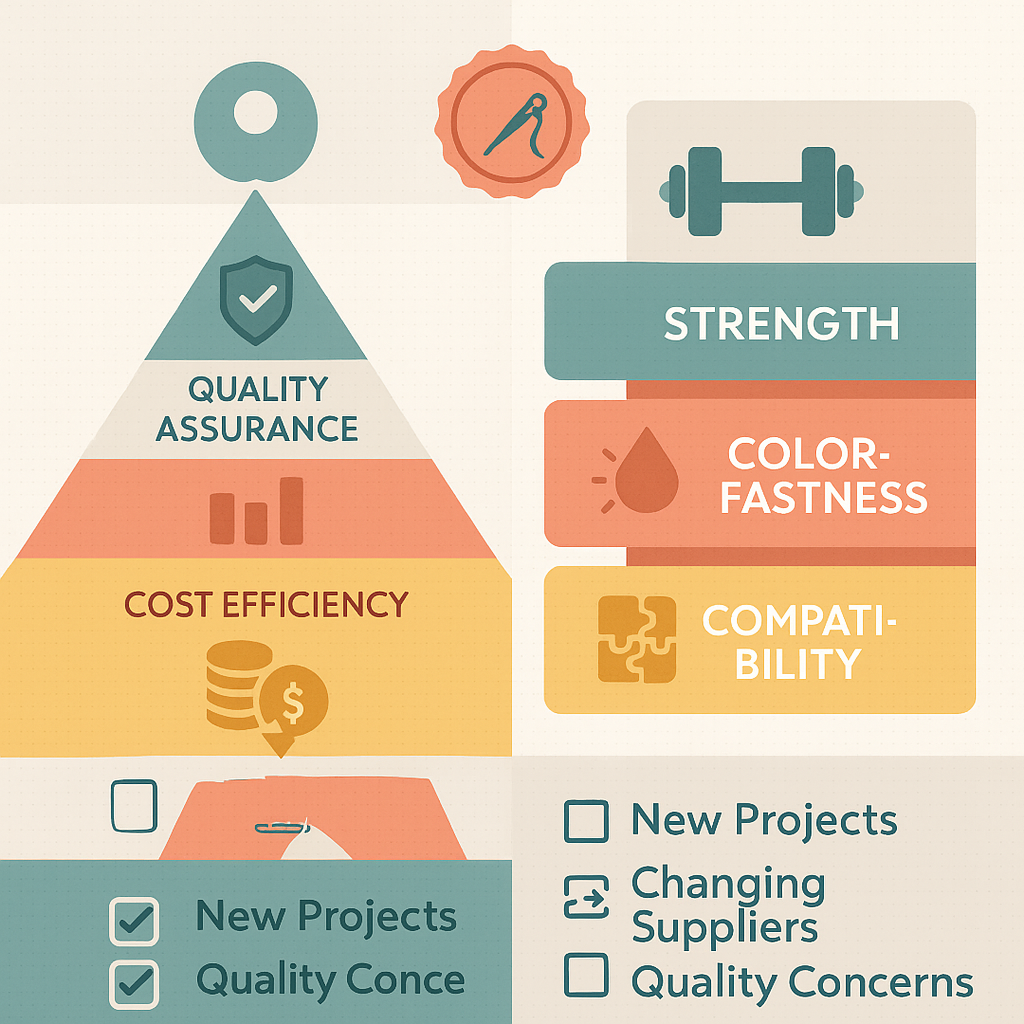
- Quality Assurance: Ensures that the thread will perform as expected under various conditions.
- Consistency: Helps maintain uniformity in production, reducing the risk of defects.
- Cost Efficiency: Prevents costly reworks and material wastage by identifying issues early in the process.
Where is thread sample approval benefits used?
Thread sample approval is widely utilized across various sewing applications and products. Understanding where and how it is applied can help buyers make informed decisions.
Common sewing thread products or applications
Thread sample approval benefits are particularly relevant in the following areas:
- Apparel Manufacturing: Ensures that threads used in garments can withstand wear and tear.
- Home Textiles: Validates that threads used in curtains, upholstery, and bedding meet aesthetic and functional requirements.
- Industrial Applications: Confirms that threads used in heavy-duty sewing can handle specific stress and environmental conditions.
What buyers usually check
When evaluating thread samples, buyers typically focus on several key attributes:
- Strength: The tensile strength of the thread to ensure it can withstand the intended use.
- Colorfastness: Resistance to fading or bleeding when exposed to washing or sunlight.
- Compatibility: How well the thread works with different fabrics and sewing machines.
How to evaluate thread sample approval benefits
Evaluating the benefits of thread sample approval involves a systematic approach to understanding the specifications and performance of the thread.
Key points on a specification sheet
A well-prepared specification sheet should include:
- Material Composition: Details on the type of yarn used, such as polyester or nylon.
- Thread Count: Information on the thickness and density of the thread.
- Performance Metrics: Data on tensile strength, elongation, and other relevant performance indicators.
Common misunderstandings
Several misconceptions can lead to poor decision-making regarding thread sample approval:
- All Threads Are the Same: Different threads have unique properties that affect performance.
- Approval Is Optional: Skipping this step can result in significant quality issues down the line.
- Cost Is the Only Factor: While price is important, performance and compatibility should also be prioritized.
Practical takeaway for sourcing teams
Understanding when and how to request thread samples can significantly influence sourcing decisions.
When to ask for samples
Requesting thread samples is advisable in the following scenarios:
- New Projects: When starting a new sewing project, especially if it involves unfamiliar materials.
- Changing Suppliers: When switching suppliers, to ensure that the new thread meets the required specifications.
- Quality Concerns: If there are existing quality issues with current threads, samples can help identify alternatives.
When another thread type may fit better
Sometimes, a different thread type may be more suitable for specific applications. Consider the following:
- Heavy-Duty Needs: For industrial applications, high tenacity polyester filament yarn may be more appropriate.
- Soft Touch Requirements: For apparel, poly-cotton corespun yarns can provide a softer feel.
- Specialized Applications: In cases requiring enhanced durability or flexibility, nylon 66 inner bonded yarn may be ideal.
In conclusion, understanding the thread sample approval benefits is essential for making informed decisions in sewing thread manufacturing. By evaluating samples thoroughly and considering the specific needs of each application, sourcing teams can ensure optimal performance and quality in their sewing projects. This proactive approach not only enhances product quality but also contributes to overall cost efficiency and customer satisfaction.