
What This Architectural Textile Structures Really Covers
Architectural textile structures represent a fascinating convergence of art and engineering, providing innovative solutions for modern architectural challenges. These structures utilize advanced materials, such as high-performance fabrics, to create aesthetically pleasing yet functional designs. Understanding the nuances of architectural textile structures is essential for architects and engineers alike, as they navigate the complexities of material selection, performance metrics, and application suitability.
In this article, we will explore the various aspects of architectural textile structures, focusing on their applications, performance characteristics, and the critical trade-offs that must be considered during the design and construction phases. By examining these elements, we aim to equip professionals with the knowledge necessary to make informed decisions that balance creativity with engineering realities.
How Product Design Changes from One Use Case to Another
The versatility of architectural textile structures allows them to be adapted for a wide range of applications, from temporary installations to permanent structures. The design process for these textiles varies significantly based on their intended use, necessitating a thorough understanding of both aesthetic and functional requirements.
Performance Points That Deserve Closer Attention
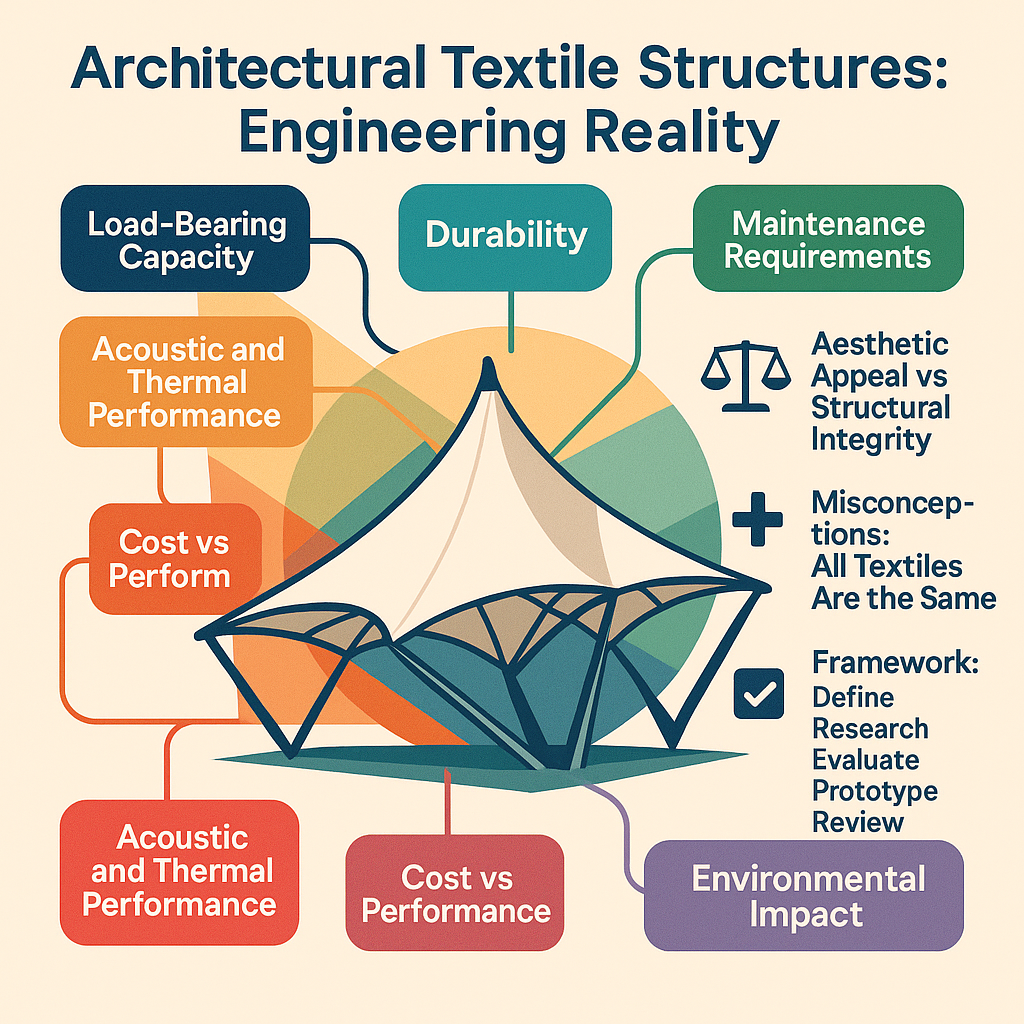
- Load-Bearing Capacity: Different applications may require varying levels of load-bearing capacity. For instance, a tensile structure used for a canopy may need to withstand wind loads, while a façade may prioritize aesthetic appeal over structural integrity.
- Durability: The longevity of construction textiles is influenced by environmental factors such as UV exposure, moisture, and temperature fluctuations. Architects must consider the expected lifespan of materials in relation to their application.
- Maintenance Requirements: Some textile structures may require regular maintenance to remain functional and visually appealing. Understanding the maintenance needs is crucial for long-term project success.
- Acoustic and Thermal Performance: Depending on the application, the acoustic and thermal properties of textiles can significantly impact user experience. For instance, a textile used in an auditorium must provide sound absorption, while one used in a greenhouse may need to optimize thermal insulation.
How Buyers and Engineers Evaluate Trade-Offs
When selecting architectural textile structures, buyers and engineers must evaluate a range of trade-offs that can influence project outcomes. These trade-offs often involve balancing performance, cost, and aesthetic considerations.
- Cost vs. Performance: High-performance textiles may come with a higher price tag, but their durability and functionality can lead to cost savings in the long run. Evaluating the total cost of ownership is essential.
- Aesthetic Appeal vs. Structural Integrity: While some designs prioritize visual impact, it is crucial to ensure that aesthetic choices do not compromise structural performance. Collaboration between architects and engineers can help achieve a harmonious balance.
- Environmental Impact: The sustainability of materials is becoming increasingly important. Architects and engineers must consider the environmental footprint of their choices, including sourcing, manufacturing, and end-of-life disposal.
Misconceptions That Lead to Weak Decisions
Several misconceptions about architectural textile structures can lead to poor decision-making. Addressing these misunderstandings is vital for ensuring successful project outcomes.
- All Textiles Are the Same: A common misconception is that all construction textiles offer similar performance characteristics. In reality, materials can vary significantly in terms of strength, durability, and environmental resistance.
- Textiles Are Only for Temporary Structures: While textiles are often associated with temporary installations, many high-performance options are suitable for permanent applications, offering both durability and aesthetic flexibility.
- Cost Is the Only Factor: Focusing solely on initial costs can lead to suboptimal material choices. A comprehensive evaluation of long-term performance and maintenance needs is essential for making informed decisions.
A More Practical Framework for Future Decisions
To navigate the complexities of architectural textile structures effectively, professionals can adopt a structured decision-making framework. This framework should encompass the following steps:
- Define Project Requirements: Clearly outline the functional, aesthetic, and performance requirements of the project. This step lays the foundation for informed material selection.
- Research Material Options: Investigate various construction textiles, focusing on their properties, performance metrics, and suitability for the intended application.
- Evaluate Trade-Offs: Analyze the trade-offs between cost, performance, and aesthetics. Engage in discussions with stakeholders to ensure alignment on project goals.
- Consult Experts: Collaborate with material specialists and engineers to gain insights into the latest advancements in textile technology and performance standards.
- Prototype and Test: Whenever possible, create prototypes or conduct tests to evaluate the performance of selected materials in real-world conditions.
- Review and Adjust: After implementation, review the performance of the textile structures and make adjustments as necessary to optimize functionality and aesthetics.
By following this framework, architects and engineers can make more informed decisions regarding architectural textile structures, ensuring that their designs are not only visually striking but also grounded in engineering reality.
Conclusion
Architectural textile structures offer a unique blend of creativity and functionality, enabling architects to push the boundaries of design while addressing engineering realities. By understanding the complexities of material selection, performance considerations, and trade-offs, professionals can make informed decisions that lead to successful project outcomes.
As the industry continues to evolve, staying informed about advancements in construction textiles and their applications will be crucial for architects and engineers alike. By adopting a structured decision-making framework, professionals can navigate the challenges of architectural textile structures with confidence, ensuring that their projects are both innovative and practical.