
A Practical Way to Understand Agricultural Textiles
Agricultural textiles play a crucial role in modern farming, particularly in mitigating risks posed by adverse weather conditions such as wind, hail, and frost. Understanding the various types of agricultural textiles and their specific applications can be the difference between a successful harvest and significant crop loss. This guide aims to provide a comprehensive overview of agricultural textiles, focusing on their materials, performance requirements, and common pitfalls in selection.
Materials and Construction Options
The effectiveness of agricultural textiles largely depends on the materials used and their construction. Various textiles offer different properties, making them suitable for specific applications.
Where Each Option Tends to Fit Best
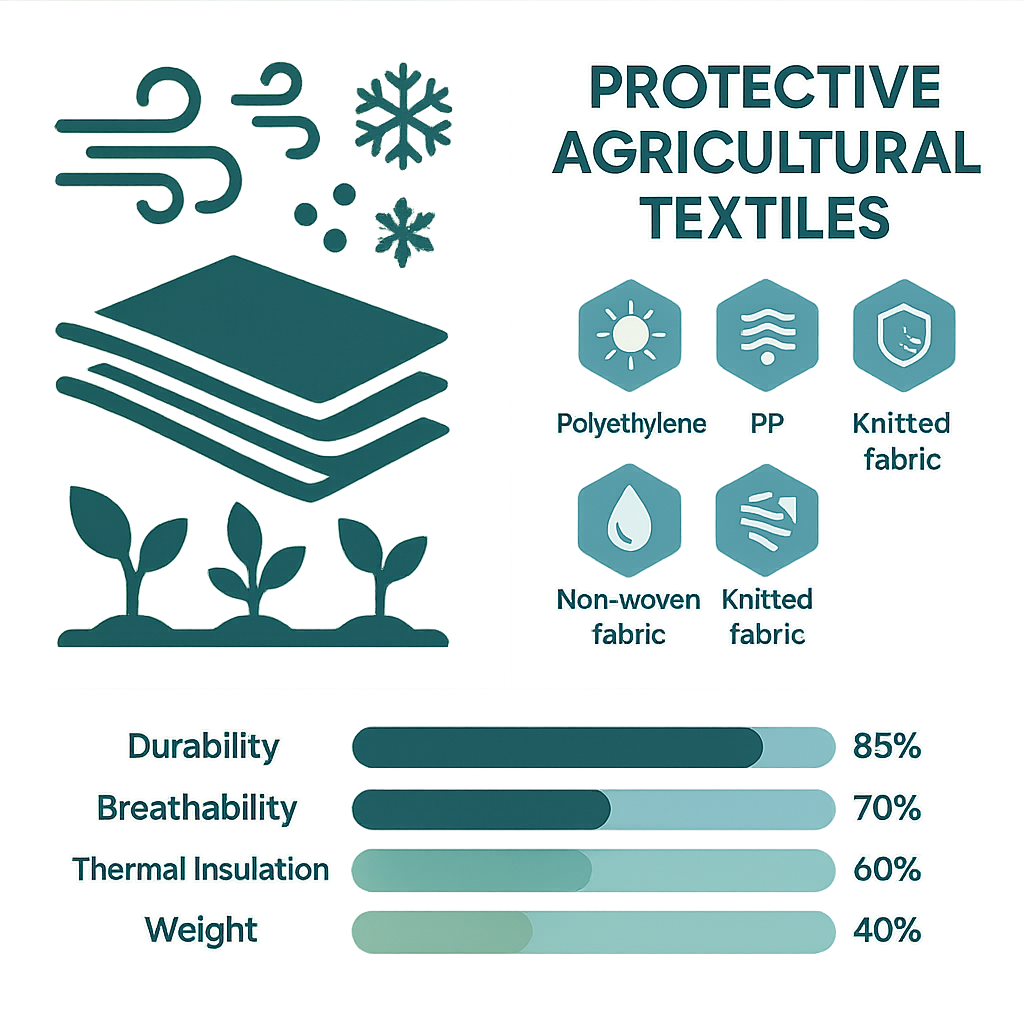
- Polyethylene (PE): Known for its durability and UV resistance, PE is commonly used in row covers and shade cloths. It provides excellent protection against hail and can help moderate temperatures.
- Polypropylene (PP): This lightweight material is often used in frost protection fabrics. Its breathable nature allows for moisture control while providing insulation against cold.
- Non-woven Fabrics: These textiles are often used for frost protection and weed control. Their porous structure allows air and moisture to pass through, reducing the risk of mold while still offering protection.
- Knitted Fabrics: Ideal for windbreaks, knitted fabrics offer flexibility and strength. They can reduce wind speed significantly, protecting delicate crops.
Performance Requirements That Matter Most
When selecting agricultural textiles for weather protection, understanding performance requirements is essential. Key factors include:
- Durability: The textile must withstand environmental stressors such as UV exposure, moisture, and mechanical wear.
- Breathability: Proper air circulation is vital to prevent overheating and moisture buildup, which can lead to crop damage.
- Thermal Insulation: For frost protection, the ability to retain heat is critical. The textile should provide adequate insulation without compromising breathability.
- Weight: Heavier fabrics may offer better protection but can be more challenging to handle and install. Balancing weight with protection is crucial.
How Environment and Use Conditions Change the Decision
The environmental conditions where the agricultural textiles will be used significantly influence material selection. For instance:
- Geographic Location: Areas prone to high winds may require more robust materials, while regions with milder climates might benefit from lighter options.
- Crop Type: Delicate crops may need more protection from wind and frost, necessitating thicker or multi-layered textiles.
- Seasonal Variations: In regions with fluctuating temperatures, textiles that can adapt to both cold and warm conditions are advantageous.
Common Mistakes in Selection or Sourcing
Even experienced growers can make mistakes when selecting agricultural textiles. Here are some common pitfalls:
- Overlooking Local Conditions: Failing to consider specific local weather patterns can lead to inadequate protection.
- Ignoring Material Properties: Not understanding the implications of material choices can result in selecting textiles that do not meet performance needs.
- Cost Over Quality: Opting for cheaper materials may save money upfront but can lead to higher costs in the long run due to crop loss.
- Neglecting Installation Guidelines: Improper installation can compromise the effectiveness of the textile, rendering it useless.
What Better Decisions Look Like in Practice
Making informed decisions about agricultural textiles involves a thorough evaluation of needs and conditions. Here’s a practical approach:
- Assess Local Climate: Understand the specific weather challenges faced in your area, such as wind patterns, frost dates, and hail frequency.
- Evaluate Crop Needs: Identify the specific requirements of the crops you are protecting, including their sensitivity to temperature and moisture.
- Research Material Options: Investigate various materials and their properties, focusing on durability, breathability, and insulation capabilities.
- Consult with Experts: Engage with agricultural specialists or textile experts to gain insights into the best practices for your specific situation.
- Plan for Installation: Ensure that you have a clear installation strategy that considers the unique aspects of the chosen textiles.
In conclusion, the effective use of agricultural textiles for weather protection requires a thoughtful approach to material selection, performance evaluation, and understanding of local conditions. By avoiding common mistakes and making informed decisions, growers can significantly reduce the risks posed by wind, hail, and frost, ultimately safeguarding their crops and enhancing productivity.
As you consider your options, remember that the right agricultural textiles can make a substantial difference in your farming success. A well-informed decision framework will not only protect your crops but also contribute to the sustainability and efficiency of your agricultural practices.