
Why This Agricultural Textiles Matters in Practical Use
Agricultural textiles play a pivotal role in modern farming practices, particularly in managing soil moisture and controlling erosion. As climate variability increases, the need for effective soil management strategies becomes paramount. Agricultural textiles are designed to enhance soil health, improve crop yield, and mitigate environmental impacts. Understanding their functionality is essential for farmers, agronomists, and decision-makers who aim to optimize agricultural productivity while conserving natural resources.
How Agricultural Textiles Are Typically Defined and Where the Boundaries Really Are
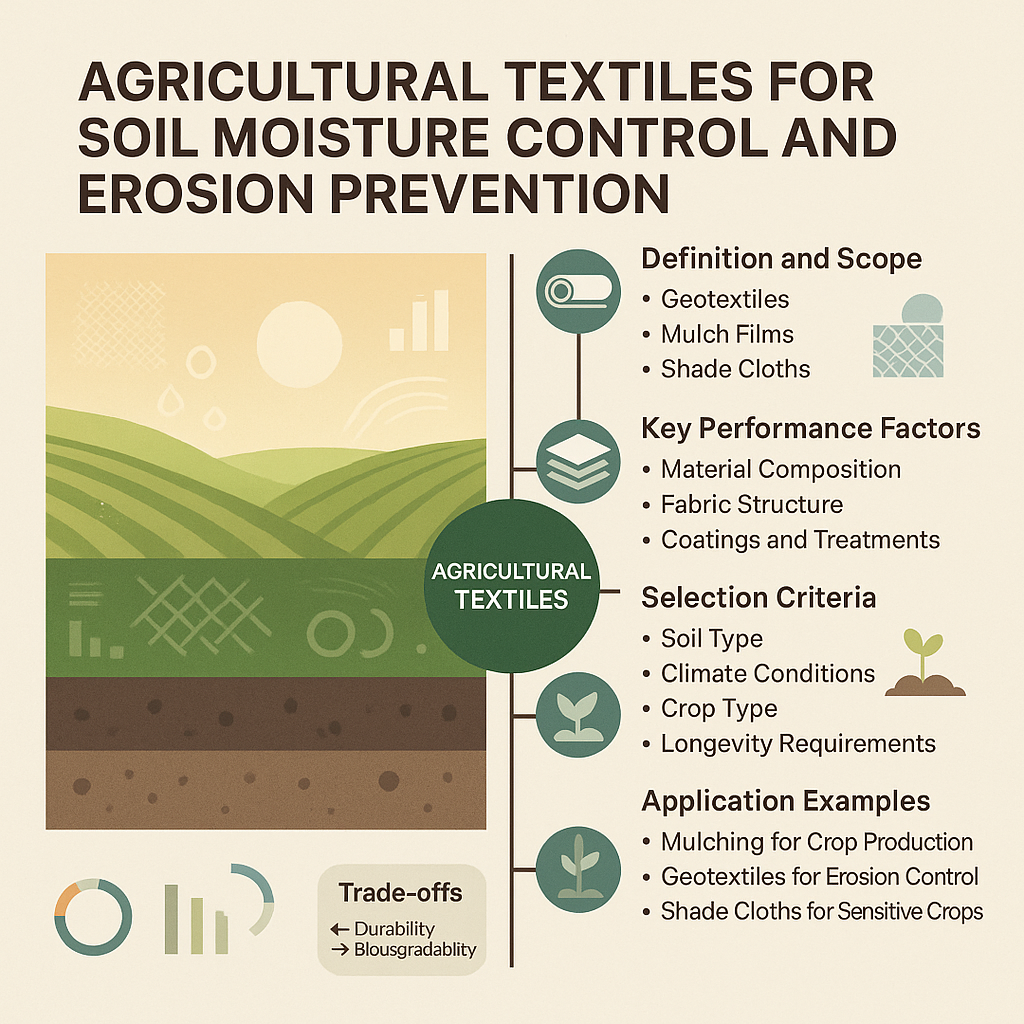
Agricultural textiles encompass a wide range of fabric materials used in various farming applications. These textiles can include geotextiles, mulch films, shade cloths, and more. Each type serves specific purposes, from moisture retention to weed suppression and erosion control.
What People Often Oversimplify
One common misconception is that all agricultural textiles function similarly. In reality, the effectiveness of these materials depends on their specific properties, such as permeability, tensile strength, and UV resistance. Oversimplifying their roles can lead to suboptimal material selection, which may compromise agricultural outcomes.
Key Materials, Structures, or Design Choices That Shape Performance
The performance of agricultural textiles is significantly influenced by the materials used and their structural design. Key factors include:
- Material Composition: Common materials include polypropylene, polyethylene, and natural fibers. Each material offers distinct benefits and drawbacks in terms of durability, biodegradability, and cost.
- Fabric Structure: The weave or knit of the textile affects its permeability and strength. For instance, a tightly woven fabric may provide better erosion control but may also restrict water infiltration.
- Coatings and Treatments: Many agricultural textiles are treated with coatings to enhance UV resistance or water repellency, which can significantly impact their longevity and effectiveness.
What Changes the Most from One Application to Another
The choice of agricultural textile varies greatly depending on the specific application. For example, a mulch film used for moisture retention in vegetable crops will differ significantly from a geotextile used for soil stabilization in erosion-prone areas. Understanding the specific requirements of each application is crucial for selecting the right textile.
Selection Logic: What to Evaluate Before Choosing a Solution
When selecting agricultural textiles for soil moisture control and erosion prevention, several factors should be evaluated:
- Soil Type: Different soils have varying moisture retention capabilities, which can influence the choice of textile.
- Climate Conditions: Local weather patterns, including rainfall and temperature fluctuations, should inform material selection.
- Crop Type: Different crops have unique moisture and light requirements, necessitating tailored textile solutions.
- Longevity Requirements: Consider how long the textile needs to perform effectively in the field.
Common Trade-offs to Keep in Mind
Every choice comes with trade-offs. For instance, while biodegradable materials may be environmentally friendly, they may not offer the same durability as synthetic options. Additionally, a more permeable textile may allow for better water infiltration but could also lead to reduced erosion control. Understanding these trade-offs is essential for making informed decisions.
Application Examples and Practical Takeaways
To illustrate the practical implications of agricultural textiles, consider the following applications:
- Mulching for Crop Production: Using biodegradable mulch films can enhance soil moisture retention while suppressing weeds. However, the timing of application and the choice of material are critical for success.
- Geotextiles for Erosion Control: In areas prone to erosion, geotextiles can stabilize soil and prevent runoff. The choice of fabric weight and permeability is vital to ensure effectiveness.
- Shade Cloths for Sensitive Crops: Shade cloths can protect delicate plants from excessive sunlight, but the level of shading must be matched to the specific crop needs.
In each case, understanding the specific requirements and characteristics of the agricultural textiles used can lead to better outcomes.
Conclusion
Agricultural textiles are invaluable tools for managing soil moisture and controlling erosion. By understanding the materials, design choices, and application-specific needs, stakeholders can make informed decisions that enhance agricultural productivity while promoting sustainable practices. As the agricultural landscape continues to evolve, staying informed about the latest developments in textile technology will be crucial for optimizing performance and achieving long-term success.
Ultimately, a thoughtful approach to selecting agricultural textiles can lead to significant benefits in crop yield, soil health, and environmental stewardship. Consider these insights as you evaluate your options and strive for excellence in agricultural practices.