
Why Carbon Fiber is Used in Electronics Housings
In the rapidly evolving world of electronics, the choice of materials for housings is critical. Carbon fiber for electronics housings has gained popularity due to its unique properties that enhance performance and durability. This article delves into the reasons behind the increasing adoption of carbon fiber in electronics housings, focusing on its technical advantages, application considerations, and key performance requirements.
Key Technical Points
Carbon fiber is renowned for its exceptional strength-to-weight ratio, making it an ideal choice for electronics housings. Here are some key technical points to consider:
- Lightweight: Carbon fiber is significantly lighter than traditional materials like aluminum and steel, which can reduce the overall weight of electronic devices.
- High Strength: It offers superior tensile strength, ensuring that the housing can withstand mechanical stresses and impacts.
- Corrosion Resistance: Carbon fiber is resistant to many chemicals and environmental factors, enhancing the longevity of electronic housings.
- Thermal Conductivity: Depending on the specific formulation, carbon fiber can provide excellent thermal management, essential for heat dissipation in electronic devices.
Application and Sourcing Considerations
When considering carbon fiber for electronics housings, it’s essential to evaluate the specific application requirements:
- Device Type: The choice of carbon fiber may vary based on whether the housing is for consumer electronics, industrial equipment, or medical devices.
- Environmental Conditions: Consider the operating environment, including exposure to chemicals, moisture, and temperature extremes.
- Sourcing Partners: Identify reliable suppliers who can provide high-quality carbon fiber materials tailored to your specifications.
Buyer Checklist Before Sampling
Before proceeding with sampling, consider the following checklist:
- Define the performance requirements for the housing.
- Assess the compatibility of carbon fiber with other materials in the assembly.
- Verify the supplier’s experience with electronics applications.
Key Performance Requirements
Understanding the key performance requirements for carbon fiber in electronics housings is crucial for making informed decisions.
Key Technical Points
Performance requirements can vary based on the intended application, but some common factors include:
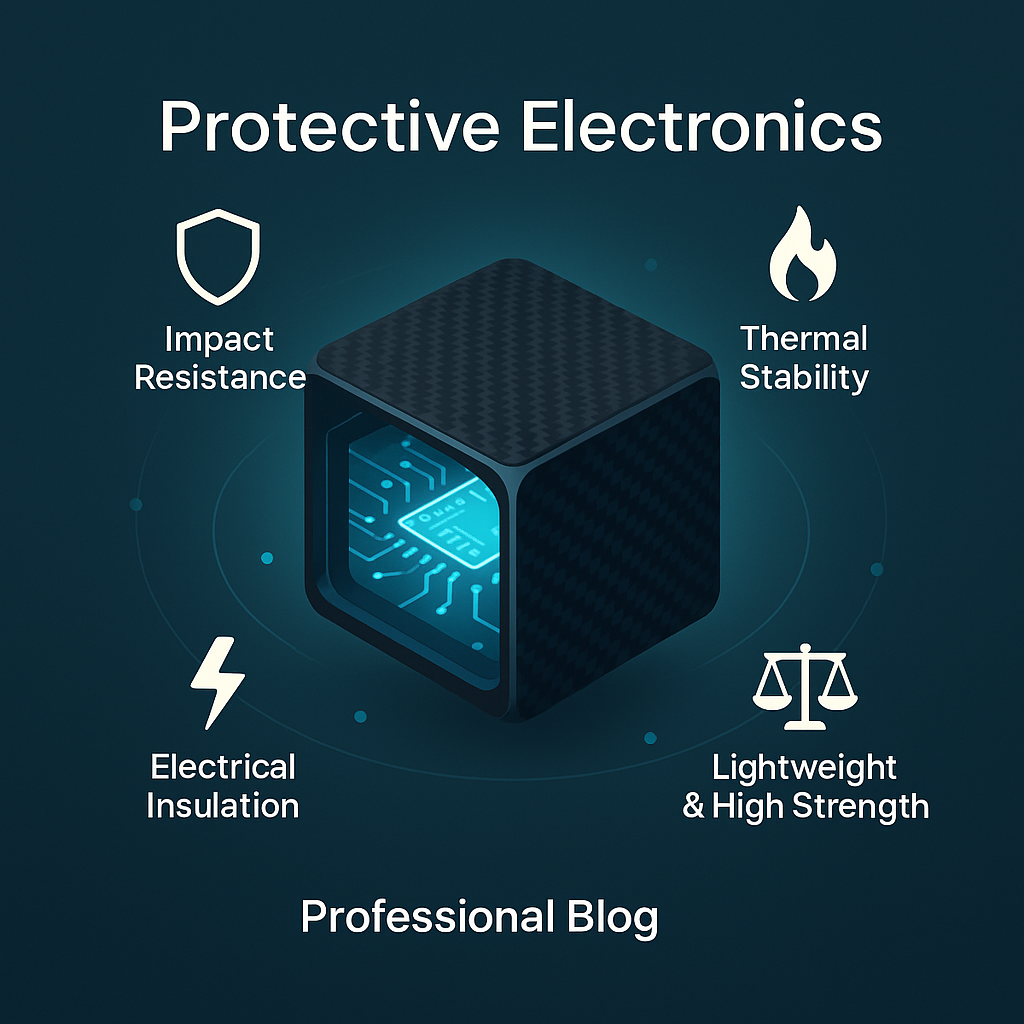
- Impact Resistance: The housing must protect sensitive electronic components from physical damage.
- Thermal Stability: Ensure that the material can maintain its properties under varying temperature conditions.
- Electrical Insulation: Carbon fiber can be engineered to provide electrical insulation, which is often necessary for electronic applications.
Application and Sourcing Considerations
When evaluating performance requirements, consider:
- The specific electronic components housed within the casing.
- Potential regulatory requirements for safety and performance.
- Long-term reliability and maintenance needs.
Buyer Checklist Before Sampling
To ensure that the carbon fiber meets performance requirements, use this checklist:
- Review technical data sheets for mechanical and thermal properties.
- Discuss performance expectations with potential suppliers.
- Request samples to evaluate fit for your specific application.
Material Construction and Specification Options
Carbon fiber materials can be tailored to meet various specifications, making them versatile for electronics housings.
Key Technical Points
Consider the following aspects of material construction:
- Fiber Orientation: The alignment of carbon fibers can significantly affect strength and stiffness.
- Resin Systems: Different resin systems can enhance properties like impact resistance and thermal stability.
- Layering Techniques: Multi-layer constructions can provide additional benefits, such as improved durability and reduced weight.
Application and Sourcing Considerations
When selecting material specifications, consider:
- The specific requirements of the electronic device.
- Compatibility with manufacturing processes.
- Availability of materials from trusted suppliers.
Buyer Checklist Before Sampling
Before sampling, ensure you have:
- Defined the necessary specifications for your application.
- Engaged with suppliers to understand their material offerings.
- Considered the implications of material choices on production timelines.
Processing, Lamination, or Fabrication Considerations
The processing of carbon fiber materials is critical to achieving the desired properties for electronics housings.
Common Processing Methods
Some common methods for processing carbon fiber include:
- Lay-Up Techniques: Manual or automated lay-up processes can be used to create complex shapes.
- Resin Transfer Molding (RTM): This method allows for high-quality finishes and precise control over material properties.
- 3D Printing: Emerging technologies enable the rapid prototyping of carbon fiber components.
Design and Fabrication Limitations
While carbon fiber offers many advantages, there are limitations to consider:
- Complex geometries may require advanced tooling.
- Cost considerations for high-volume production.
- Potential challenges in achieving uniform properties across large parts.
Implications for Sourcing and Customization
Understanding processing limitations can help in sourcing decisions:
- Identify suppliers with expertise in the desired processing methods.
- Discuss customization options to meet specific design requirements.
- Evaluate the trade-offs between cost and performance based on processing choices.
Common Standards, Testing, or Buyer Concerns
Compliance with industry standards and testing protocols is essential when sourcing carbon fiber for electronics housings.
Relevant Test Methods
Common test methods for evaluating carbon fiber materials include:
- Tensile testing for strength and elongation.
- Thermal analysis to assess stability under heat.
- Impact testing to evaluate resistance to physical damage.
Standards Buyers Often Ask About
Buyers frequently inquire about standards such as:
- ISO 9001 for quality management systems.
- ASTM standards for material testing and performance.
- UL standards for safety and reliability in electronic applications.
How to Verify Compliance with Suppliers
To ensure compliance, consider the following steps:
- Request documentation of certifications and test results.
- Engage in discussions about the supplier’s quality assurance processes.
- Conduct audits or site visits if feasible.
How to Evaluate Samples Before Bulk Order
Before committing to a bulk order, evaluating samples is crucial to ensure they meet your specifications.
Key Technical Points
When evaluating samples, focus on:
- Physical properties such as weight, strength, and flexibility.
- Visual inspection for defects or inconsistencies.
- Performance under simulated operational conditions.
Application and Sourcing Considerations
Consider the following when evaluating samples:
- How well the sample aligns with your specific application needs.
- Feedback from engineering teams regarding performance.
- Supplier responsiveness and support during the evaluation process.
Buyer Checklist Before Sampling
Use this checklist to ensure a thorough evaluation:
- Define clear criteria for sample evaluation.
- Engage cross-functional teams for comprehensive feedback.
- Document findings for future reference in decision-making.
In conclusion, carbon fiber for electronics housings presents numerous advantages, including lightweight construction, high strength, and excellent thermal properties. By understanding the key performance requirements, material options, and processing considerations, decision-makers can make informed choices that align with their specific applications. Evaluating samples thoroughly before bulk orders can further ensure that the selected materials meet the necessary standards and performance expectations.