
What is UHMWPE?
Core Definition and Material Structure
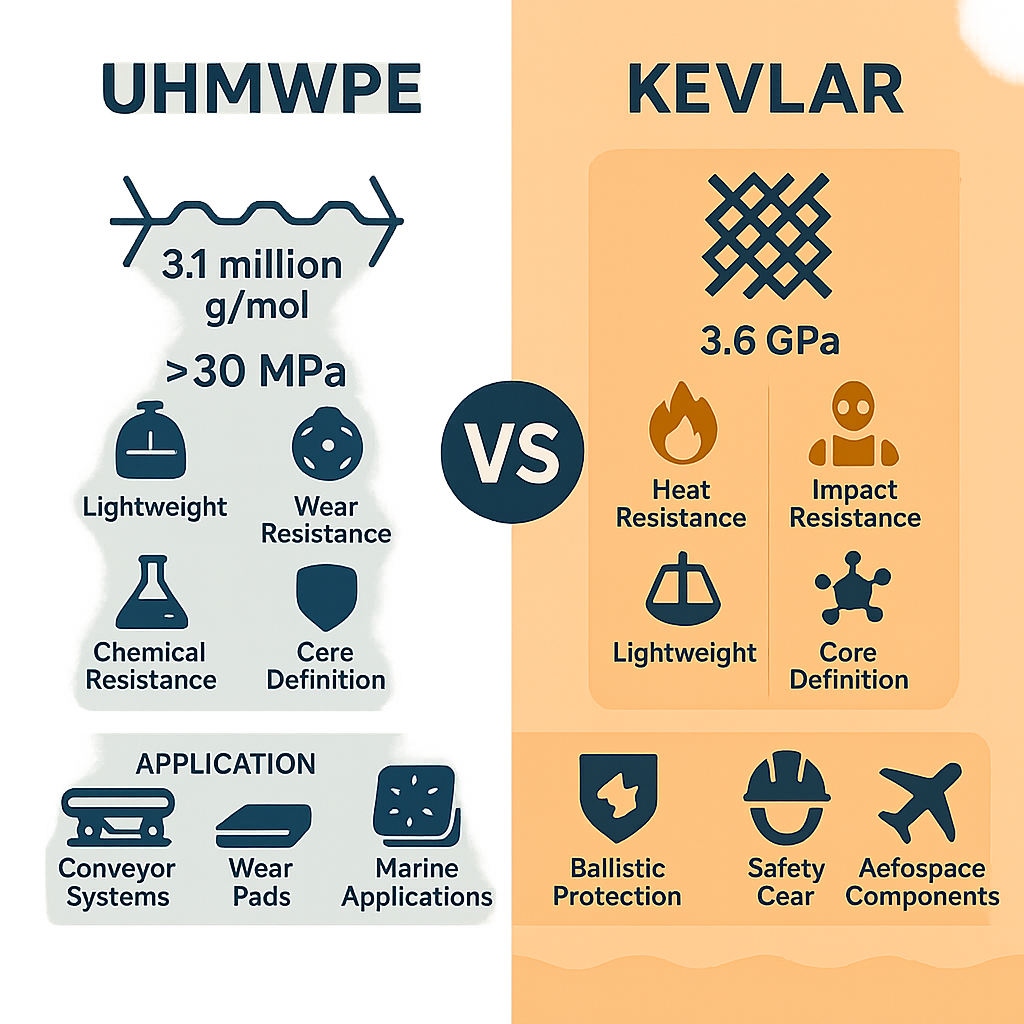
Ultra-high-molecular-weight polyethylene (UHMWPE) is a subset of the thermoplastic polyethylene family, characterized by its extremely long chains of molecular weight exceeding 3.1 million g/mol. This unique structure imparts exceptional properties, making it suitable for demanding applications.
Key Performance Characteristics
- Tensile Strength: UHMWPE exhibits high tensile strength, often exceeding 30 MPa.
- Lightweight: It is significantly lighter than many metals, offering a favorable strength-to-weight ratio.
- Wear Resistance: UHMWPE is known for its excellent abrasion resistance, making it ideal for applications involving friction.
- Chemical Resistance: It is resistant to a wide range of chemicals, enhancing its durability in various environments.
Typical Industrial Forms and Specifications
UHMWPE is available in various forms, including sheets, rods, and custom shapes. Common specifications include thickness, density, and color, tailored to specific industrial needs.
What is Kevlar?
Core Definition and Material Structure
Kevlar is a registered trademark of DuPont for a type of aramid fiber known for its high tensile strength-to-weight ratio. The material is composed of long chains of poly-para-phenylene terephthalamide, which contributes to its exceptional performance in various applications.
Key Performance Characteristics
- Tensile Strength: Kevlar fibers can withstand high levels of stress, with tensile strengths often around 3.6 GPa.
- Heat Resistance: Kevlar maintains its integrity at elevated temperatures, making it suitable for heat-sensitive applications.
- Impact Resistance: It is known for its ability to absorb energy, providing protection against impacts.
- Lightweight: Similar to UHMWPE, Kevlar is lightweight, which is advantageous in various applications.
Typical Industrial Forms and Specifications
Kevlar is typically available in woven fabrics, sheets, and composite forms. Specifications may include fiber density, weave type, and thickness, depending on the intended use.
Strength, Weight, and Durability Comparison
Tensile Strength and Weight Differences
When comparing UHMWPE and Kevlar, tensile strength and weight are critical factors. While UHMWPE offers high tensile strength, Kevlar generally surpasses it in terms of maximum tensile strength. However, UHMWPE is lighter, which can be advantageous in applications where weight is a concern.
Wear, Impact, and Environmental Resistance
UHMWPE excels in wear resistance, making it ideal for applications involving friction and abrasion. Kevlar, on the other hand, provides superior impact resistance, making it suitable for protective gear and applications where energy absorption is crucial. Both materials exhibit good chemical resistance, but UHMWPE has a broader range of resistance to various chemicals.
Application Suitability by End Use
Choosing between UHMWPE and Kevlar often depends on the specific application. UHMWPE is commonly used in applications such as:
- Conveyor systems
- Wear pads
- Marine applications
Kevlar is often preferred in:
- Ballistic protection
- Safety gear
- Aerospace components
Processing and Fabrication Differences
Common Processing Methods
UHMWPE is typically processed through methods such as compression molding and extrusion, while Kevlar is often woven into fabrics or combined with resins in composite forms. Each material requires specific processing techniques to maintain its performance characteristics.
Design and Fabrication Limitations
UHMWPE can be challenging to bond with other materials due to its low surface energy, while Kevlar’s high strength can complicate cutting and shaping. Understanding these limitations is crucial for effective design and fabrication.
Implications for Sourcing and Customization
When sourcing these materials, it is essential to consider the specific processing requirements and potential limitations. Customization options may vary, affecting the final product’s performance.
Cost, Lead Time, and Sourcing Considerations
What Affects Pricing
The cost of UHMWPE and Kevlar can vary significantly based on factors such as material grade, processing complexity, and market demand. Generally, Kevlar tends to be more expensive due to its specialized manufacturing processes.
MOQ, Sample, and Lead Time Considerations
Minimum order quantities (MOQ) and lead times can differ between suppliers and materials. Understanding these factors is essential for planning and budgeting in industrial applications.
What Buyers Should Confirm Before RFQ
Before requesting a quote (RFQ), buyers should confirm specifications, application requirements, and any customization needs. This preparation can streamline the sourcing process and ensure alignment with project goals.
Which Material Fits Industrial Applications?
Typical Industries Using This Material
Both UHMWPE and Kevlar find applications across various industries, including:
- Aerospace
- Automotive
- Defense
- Manufacturing
Why Engineers and Buyers Choose It
Engineers and buyers often choose UHMWPE for its wear resistance and lightweight properties, while Kevlar is favored for its strength and impact resistance. The choice often hinges on the specific requirements of the application.
When Another Material May Be Better
In some cases, other materials may be more suitable. For example, if cost is a primary concern, alternatives such as nylon or polyester may provide adequate performance at a lower price point.
How to Choose the Right Specification
Key Specification Checklist
- Identify the mechanical properties required for your application.
- Consider environmental factors such as temperature and chemical exposure.
- Evaluate the processing methods available.
Matching Material to Application Conditions
Understanding the specific conditions under which the material will be used is crucial for making an informed choice. Factors such as load, wear, and environmental exposure should guide the selection process.
Common Mistakes Before Sampling or Bulk Order
Common mistakes include overlooking the importance of testing samples, failing to confirm specifications, and not considering long-term performance requirements. Taking the time to evaluate these aspects can lead to better outcomes.
In conclusion, both UHMWPE and Kevlar offer unique advantages and limitations for industrial applications. By understanding their properties, processing methods, and application suitability, engineers and buyers can make informed decisions that align with their specific needs. Ultimately, the choice between UHMWPE and Kevlar should be guided by a thorough evaluation of application requirements and performance expectations.