
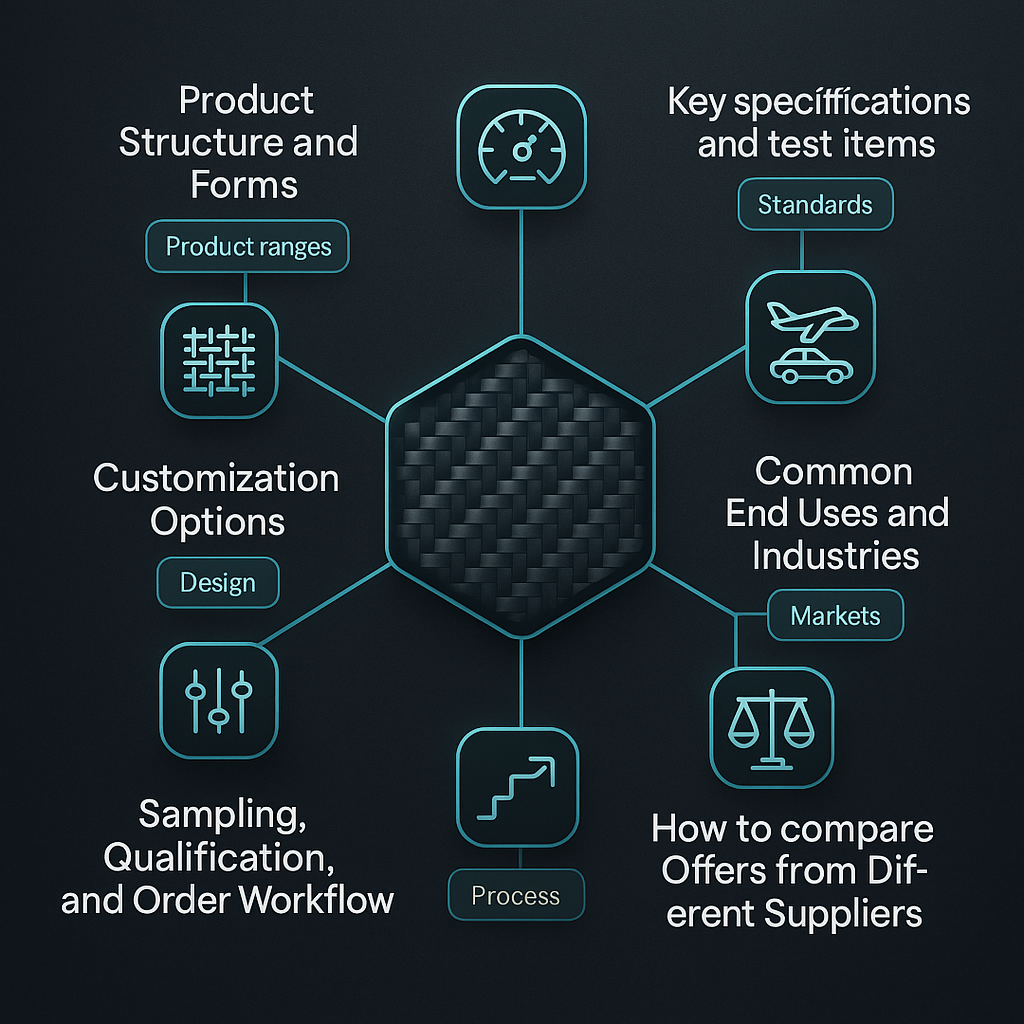
Product Structure and Available Forms
Understanding the structure and forms of carbon fiber fabric is crucial for making informed decisions regarding its applications. Carbon fiber is composed of thin strands of carbon atoms, which are tightly woven to create a lightweight yet incredibly strong material. The fabric can be produced in various forms, including woven, non-woven, and unidirectional fabrics, each offering distinct properties and advantages.
Key Technical Points
The primary characteristics of carbon fiber fabrics include high tensile strength, low weight, and excellent chemical resistance. These properties make carbon fiber suitable for a variety of applications, from aerospace to automotive industries. When evaluating carbon fiber fabric, consider the following technical points:
- Tensile Strength: The ability to withstand pulling forces without breaking.
- Weight-to-Strength Ratio: A critical factor for applications where weight savings are essential.
- Flexural Modulus: Indicates the stiffness of the material under bending.
- Thermal Stability: Important for applications exposed to high temperatures.
Application and Sourcing Considerations
When sourcing carbon fiber fabric, it’s essential to align the material’s properties with the specific application requirements. Consider the following factors:
- End Use: Identify the industry and specific application to determine the appropriate fabric type.
- Fabric Form: Choose between woven, non-woven, or unidirectional based on the mechanical requirements.
- Supplier Capabilities: Assess the supplier’s ability to provide consistent quality and meet your specifications.
Buyer Checklist Before Sampling
Before requesting samples, ensure you have a clear understanding of your requirements. Use the following checklist:
- Define the mechanical properties needed for your application.
- Determine the required fabric form and weave pattern.
- Identify any specific certifications or standards your application must meet.
- Consider the environmental conditions the fabric will be exposed to.
Key Specifications and Test Items
Understanding the specifications and test items associated with carbon fiber fabric is vital for ensuring that the material meets the necessary performance criteria. Key specifications include:
Key Technical Points
Specifications often include:
- Weight per Unit Area: Typically measured in grams per square meter (gsm).
- Weave Type: Different weave patterns can affect the fabric’s strength and flexibility.
- Resin Compatibility: Ensure compatibility with the resin system used in composite applications.
Application and Sourcing Considerations
When evaluating specifications, consider:
- How the specifications align with your application requirements.
- The importance of testing for specific properties relevant to your industry.
- The supplier’s ability to provide documentation for the specified properties.
Buyer Checklist Before Sampling
Before proceeding with sampling, verify the following:
- Are the specifications clearly defined and documented?
- Have you considered the testing methods that will be used to evaluate the fabric?
- Is there a clear understanding of the performance expectations for your application?
Common End Uses and Industries
Carbon fiber fabric is utilized across various industries due to its unique properties. Understanding the common applications can help you identify potential uses for your projects.
Typical Industries Using This Material
Industries that frequently use carbon fiber fabric include:
- Aerospace: Lightweight components for aircraft and spacecraft.
- Automotive: High-performance parts that require strength without added weight.
- Sports Equipment: Manufacturing of bicycles, golf clubs, and other gear.
- Marine: Components for boats and yachts that require durability and resistance to corrosion.
Why Engineers and Buyers Choose It
Engineers and buyers often select carbon fiber fabric for its:
- Exceptional strength-to-weight ratio, allowing for lightweight designs without compromising strength.
- Versatility in applications, enabling use in various industries.
- Resistance to environmental factors, such as moisture and chemicals.
When Another Material May Be Better
While carbon fiber has many advantages, there are instances where another material may be more suitable:
- Cost Considerations: For budget-sensitive applications, alternatives like fiberglass may be more economical.
- Impact Resistance: In applications where impact resistance is critical, materials like Kevlar may be preferable.
- Thermal Conductivity: If thermal conductivity is a priority, metals or specialized composites may be better suited.
Customization Options
Customization is often necessary to meet specific application requirements. Understanding the available options can help you make informed decisions.
Key Technical Points
Customization options for carbon fiber fabric may include:
- Weave Patterns: Different patterns can affect flexibility and strength.
- Resin Systems: Compatibility with various resin systems can enhance performance.
- Finishing Treatments: Surface treatments can improve durability or aesthetic appeal.
Application and Sourcing Considerations
When considering customization, think about:
- Your specific application requirements and how they may dictate customization needs.
- The supplier’s ability to accommodate custom requests and their lead times.
- The potential impact of customization on cost and delivery schedules.
Buyer Checklist Before Sampling
Before requesting samples of customized carbon fiber fabric, ensure you have:
- A clear understanding of the desired customizations.
- Documentation of how these customizations will affect performance.
- Defined expectations regarding lead times for customized orders.
Sampling, Qualification, and Order Workflow
Understanding the workflow for sampling, qualification, and ordering carbon fiber fabric is essential for a smooth procurement process.
Key Technical Points
The workflow typically involves the following stages:
- Initial Inquiry: Define your needs and reach out to potential suppliers.
- Sampling: Request samples to evaluate the fabric’s properties.
- Qualification: Test the samples to ensure they meet your specifications.
- Order Placement: Finalize the order based on successful qualification.
Application and Sourcing Considerations
During the workflow, consider:
- The importance of clear communication with suppliers regarding your requirements.
- How testing and qualification processes can impact your project timeline.
- The need for flexibility in order quantities based on project demands.
Buyer Checklist Before Sampling
Before initiating the sampling process, ensure you have:
- A detailed understanding of your project timeline and deadlines.
- Defined criteria for evaluating samples.
- Clear communication channels established with your suppliers.
How to Compare Offers from Different Suppliers
When evaluating offers from various carbon fiber fabric suppliers, a systematic approach can help you make informed decisions.
Key Technical Points
Consider the following when comparing offers:
- Specifications: Ensure that the specifications align with your application needs.
- Quality Assurance: Inquire about the supplier’s quality control processes.
- Lead Times: Understand the expected delivery timelines for your orders.
Application and Sourcing Considerations
When comparing offers, think about:
- The importance of supplier reliability and reputation in the industry.
- How pricing structures may vary based on customization or volume.
- The potential for long-term partnerships with suppliers who understand your needs.
Buyer Checklist Before Sampling
Before finalizing your supplier choice, ensure you have:
- Evaluated all offers against your defined criteria.
- Considered the long-term implications of your supplier relationship.
- Documented your decision-making process for future reference.
Conclusion
Carbon fiber fabric offers a unique combination of strength, lightness, and versatility, making it an attractive choice for various industries. By understanding the technical specifications, application fit, and sourcing considerations, engineers and decision-makers can make informed choices that align with their project requirements. As you navigate the complexities of sourcing carbon fiber fabric, keep in mind the importance of clear communication with suppliers and a thorough evaluation process. This approach will help ensure that you select the right material for your specific needs, ultimately leading to successful project outcomes.