
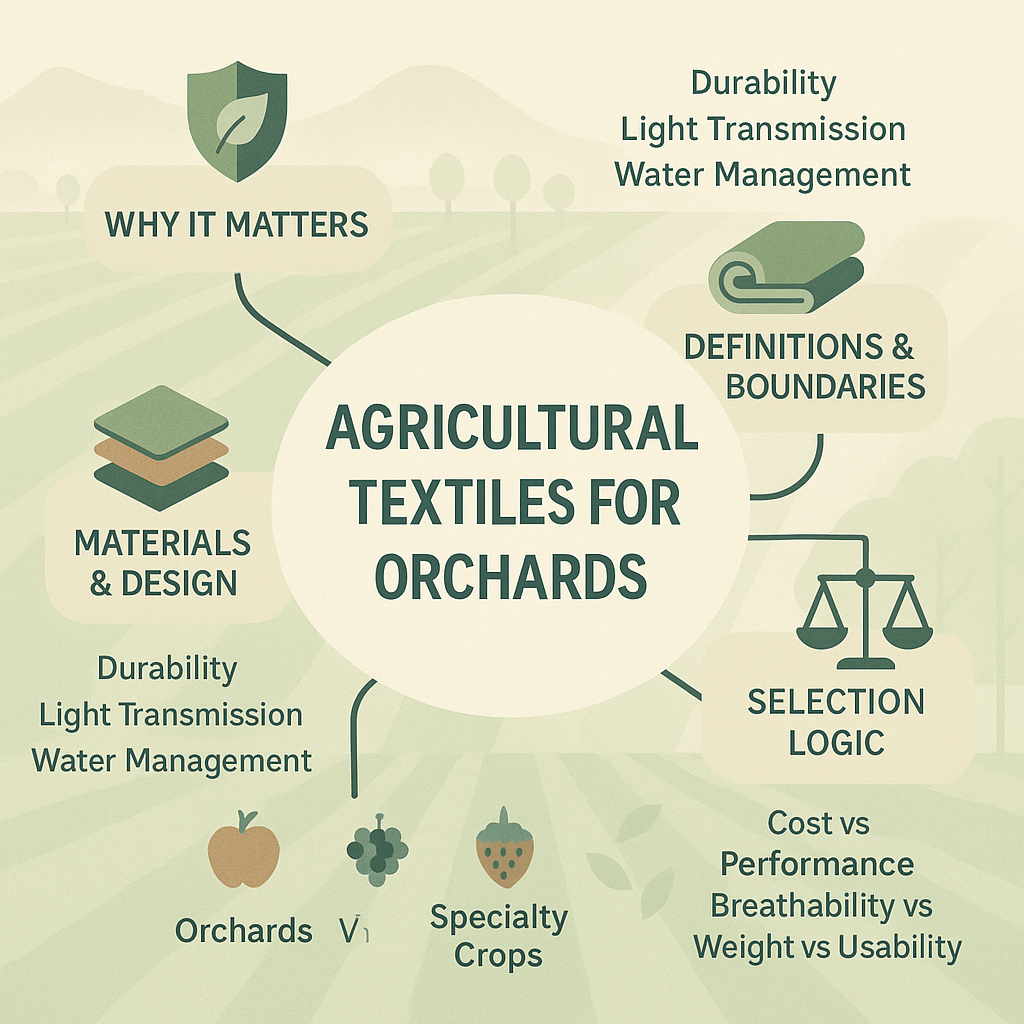
Why This Agricultural Textiles for Orchards Matters in Practical Use
Agricultural textiles play a pivotal role in enhancing the productivity and sustainability of orchards, vineyards, and specialty crops. As the agricultural sector faces increasing challenges such as climate change, pest management, and resource scarcity, the strategic use of these textiles can provide significant advantages. From improving crop yields to protecting plants from environmental stressors, understanding the applications and performance of agricultural textiles is essential for growers and decision-makers.
How Agricultural Textiles Are Typically Defined and Where the Boundaries Really Are
Agricultural textiles encompass a range of materials designed for various applications in farming. These textiles can include shade cloths, mulch films, row covers, and geotextiles, each serving distinct purposes. However, the definitions can often blur, leading to confusion about what constitutes agricultural textiles.
What People Often Oversimplify
Many assume that agricultural textiles are merely protective coverings, but this oversimplification neglects their multifaceted roles. For instance, while shade cloths primarily provide protection from excessive sunlight, they can also influence microclimates, affecting humidity and temperature around plants. Understanding these nuances is crucial for selecting the right textile for specific applications.
Key Materials, Structures, or Design Choices That Shape Performance
The performance of agricultural textiles is heavily influenced by the materials used, their structural design, and specific features tailored to different applications. Common materials include polyethylene, polypropylene, and natural fibers, each offering unique benefits and limitations.
What Changes the Most from One Application to Another
- Durability: Textiles used in high-wind areas may require reinforced edges or heavier weights to withstand environmental stress.
- Light Transmission: Shade cloths vary in their light transmission properties, impacting photosynthesis and growth rates.
- Water Management: Some textiles are designed to enhance water retention or drainage, which is critical in managing soil moisture levels.
Selection Logic: What to Evaluate Before Choosing a Solution
Choosing the right agricultural textile involves a careful evaluation of several factors. Growers must consider their specific needs, the environmental conditions, and the characteristics of the crops being cultivated.
Common Trade-offs to Keep in Mind
- Cost vs. Performance: Higher-quality textiles may come at a premium but can offer better durability and effectiveness in protecting crops.
- Breathability vs. Protection: Some textiles provide excellent protection but may limit air circulation, potentially leading to issues like fungal growth.
- Weight vs. Usability: Heavier materials may offer better durability but can be more challenging to handle and install.
Application Examples and Practical Takeaways
Understanding the practical applications of agricultural textiles can help growers make informed decisions. Here are some examples:
- Orchards: In orchards, row covers can protect young trees from frost while also providing a barrier against pests. Selecting the right material that balances warmth and breathability is crucial.
- Vineyards: Shade cloths are often employed in vineyards to manage sunlight exposure, which can significantly impact grape quality. The choice of shading percentage should align with the grape variety and desired wine characteristics.
- Specialty Crops: For high-value specialty crops, using biodegradable mulch films can enhance soil health while providing weed control and moisture retention.
In conclusion, the selection of agricultural textiles for orchards requires a nuanced understanding of material properties, application-specific needs, and performance trade-offs. By carefully evaluating these factors, growers can enhance their crop management strategies and ultimately improve yields. As the agricultural landscape continues to evolve, staying informed about the latest developments in agricultural textiles will be essential for optimizing production and sustainability.
Ultimately, the right agricultural textile can make a significant difference in the success of orchards, vineyards, and specialty crops. By approaching material selection thoughtfully, decision-makers can ensure they are equipped to face the challenges of modern agriculture.