
The Bigger Picture Behind Agricultural Textiles
Agricultural textiles play a crucial role in modern farming practices, offering solutions that enhance productivity and sustainability. Among these, weed control fabrics are a popular choice for managing unwanted vegetation in various agricultural systems. However, the effectiveness of these fabrics can vary significantly based on numerous factors, including material properties, environmental conditions, and specific agricultural practices.
This weed control fabric guide aims to unpack the complexities surrounding these materials, helping stakeholders—from farmers to engineers—understand why certain fabrics perform well in some contexts while failing in others. By delving into the intricacies of material selection, application fit, and performance considerations, we can better navigate the landscape of agricultural textiles.
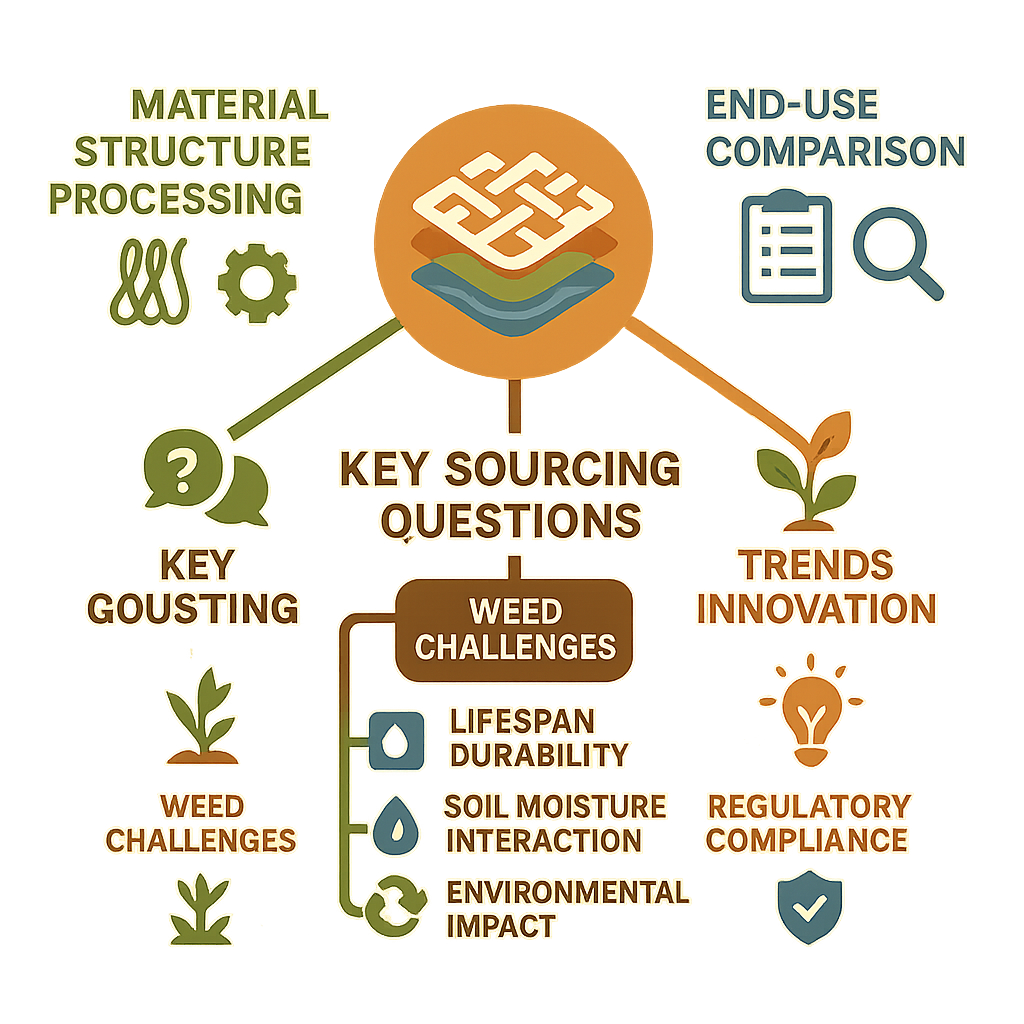
How Materials, Structure, and Processing Affect Results
The performance of weed control fabrics is heavily influenced by their material composition, structural design, and processing methods. Understanding these elements is essential for making informed decisions about which fabric to use in a given agricultural system.
Why One Specification Never Tells the Full Story
When evaluating weed control fabrics, it is tempting to rely solely on specifications such as weight, thickness, or UV resistance. However, these metrics can be misleading. For instance, a heavier fabric may seem more durable, but if it lacks adequate permeability, it could lead to waterlogging and root rot in crops. Conversely, a lighter fabric may allow for better drainage but could be less effective at suppressing weed growth.
Moreover, the processing techniques used to manufacture these fabrics can significantly impact their performance. For example, fabrics that are treated with herbicides or coated for UV resistance may offer enhanced weed suppression but could also pose risks to soil health and crop safety. Therefore, a holistic approach to evaluating these materials is necessary.
How to Compare Options by End-Use Requirements
To effectively compare different weed control fabrics, it is crucial to align your selection with the specific end-use requirements of your agricultural system. This involves understanding the unique challenges posed by your environment, crop type, and farming practices.
Questions Worth Asking Before Sourcing
- What are the specific weed challenges in my area? Understanding the types of weeds prevalent in your region can help in selecting a fabric that effectively suppresses them.
- What is the expected lifespan of the fabric? Different fabrics have varying durability, which can affect long-term costs and effectiveness.
- How does the fabric interact with soil and moisture? Consider how the fabric’s permeability and structure will affect soil health and crop growth.
- What are the environmental impacts of the fabric? Evaluate whether the fabric’s production and disposal align with sustainable agricultural practices.
- Are there any regulatory considerations? Ensure that the materials used comply with local agricultural regulations and standards.
Examples, Trends, and What to Watch Next
As agricultural practices evolve, so do the materials and technologies used in weed control fabrics. Recent trends indicate a growing interest in biodegradable and eco-friendly options, which can reduce environmental impact while maintaining effectiveness.
Additionally, advancements in material science are leading to the development of fabrics that offer enhanced performance characteristics, such as improved UV resistance and water permeability. Monitoring these trends can provide insights into future innovations that may further optimize weed management strategies.
In conclusion, understanding the complexities of weed control fabrics is essential for making informed decisions in agricultural textiles. By considering material properties, application fit, and specific end-use requirements, stakeholders can better navigate the challenges of weed management. This weed control fabric guide serves as a resource for evaluating options and making choices that align with both agricultural goals and sustainability practices.
As you explore your options in agricultural textiles, remember to ask the right questions and consider the broader implications of your material choices. This thoughtful approach will not only enhance your weed management strategies but also contribute to the overall sustainability of your agricultural practices.