
The Bigger Picture Behind Agricultural Textiles
In the realm of agriculture, the significance of horticultural textiles applications cannot be overstated. These specialized materials play a crucial role in enhancing plant health, optimizing growth conditions, and improving handling processes. As the agricultural sector increasingly embraces innovation, understanding the broader implications of these textiles becomes essential for growers, suppliers, and decision-makers alike.
Horticultural textiles are designed to meet the unique needs of plant cultivation, offering solutions that range from weed control to temperature regulation. By facilitating healthier plant handling, these textiles contribute not only to productivity but also to sustainability in agricultural practices. As we delve deeper into this topic, we will explore how the choice of materials, structures, and processing methods can significantly influence the performance of these textiles.
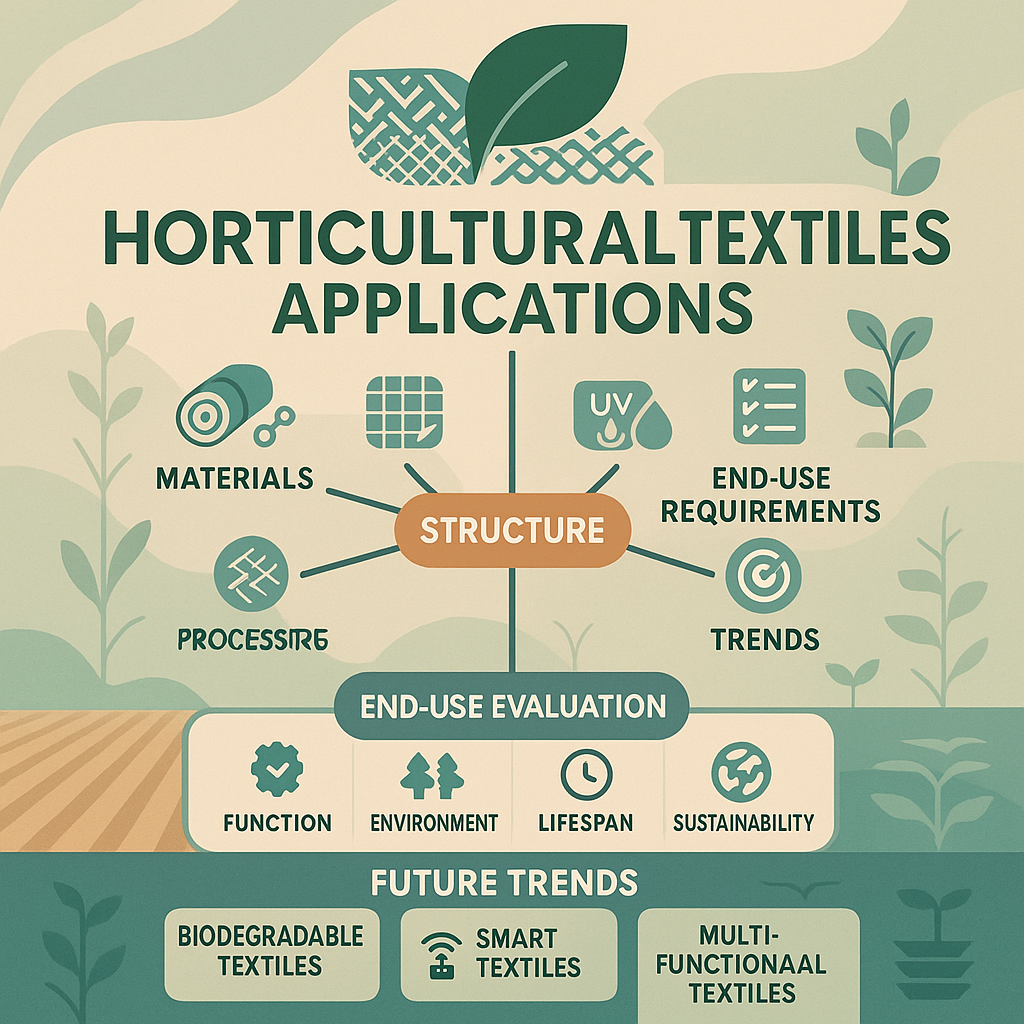
How Materials, Structure, and Processing Affect Results
The performance of horticultural textiles is intrinsically linked to the materials used, their structural design, and the processing techniques employed. Each of these factors plays a vital role in determining how well the textiles will perform in their intended applications.
Why One Specification Never Tells the Full Story
When evaluating horticultural textiles, it is tempting to rely solely on a single specification, such as weight or thickness. However, this approach can be misleading. For instance, a heavier textile may not always be more durable or effective than a lighter one. Instead, it is essential to consider a combination of factors:
- Material Composition: Different fibers, such as polypropylene, polyethylene, or natural fibers, offer varying degrees of strength, UV resistance, and biodegradability.
- Weave Structure: The way fibers are woven together affects permeability, flexibility, and overall performance. For example, a tighter weave may provide better protection against pests but could limit airflow.
- Processing Techniques: Treatments such as UV stabilization or water repellency can enhance the functionality of textiles, making them more suitable for specific applications.
Understanding these nuances is critical for making informed decisions when selecting horticultural textiles for specific applications.
How to Compare Options by End-Use Requirements
When sourcing horticultural textiles, it is essential to align your selection with the specific requirements of your end-use application. This alignment ensures that the textiles will perform optimally in their intended environment.
Questions Worth Asking Before Sourcing
Before making a decision, consider the following questions:
- What is the primary function of the textile? Are you looking for protection against pests, temperature regulation, or moisture retention?
- What environmental conditions will the textile be exposed to? Consider factors such as UV exposure, moisture levels, and temperature fluctuations.
- What is the expected lifespan of the textile? Understanding durability requirements can help you choose materials that will withstand the rigors of your specific application.
- Are there any regulatory or sustainability considerations? Increasingly, growers are looking for textiles that meet certain environmental standards or are made from sustainable materials.
By addressing these questions, you can better navigate the complexities of horticultural textiles applications and make choices that align with your operational goals.
Examples, Trends, and What to Watch Next
The landscape of horticultural textiles is continually evolving, driven by advancements in material science and changing agricultural practices. Here are some notable trends and examples to consider:
- Biodegradable Textiles: As sustainability becomes a focal point in agriculture, the demand for biodegradable options is on the rise. These textiles can break down naturally, reducing environmental impact.
- Smart Textiles: Innovations in technology have led to the development of smart textiles that can monitor environmental conditions and provide real-time data to growers.
- Multi-functional Textiles: Textiles that serve multiple purposes, such as providing shade while also allowing for water permeability, are gaining traction in the market.
Keeping an eye on these trends can help you stay ahead of the curve and make informed decisions about the horticultural textiles you choose for your operations.
Conclusion
The role of horticultural textiles applications in supporting healthier plant handling is multifaceted and complex. By understanding the interplay between materials, structure, and processing, as well as aligning your choices with specific end-use requirements, you can make more informed decisions that enhance both productivity and sustainability in your agricultural practices.
As you navigate the landscape of agricultural textiles, consider the questions posed in this article and stay attuned to emerging trends. This thoughtful approach will not only improve your operational efficiency but also contribute to a more sustainable future in horticulture.