
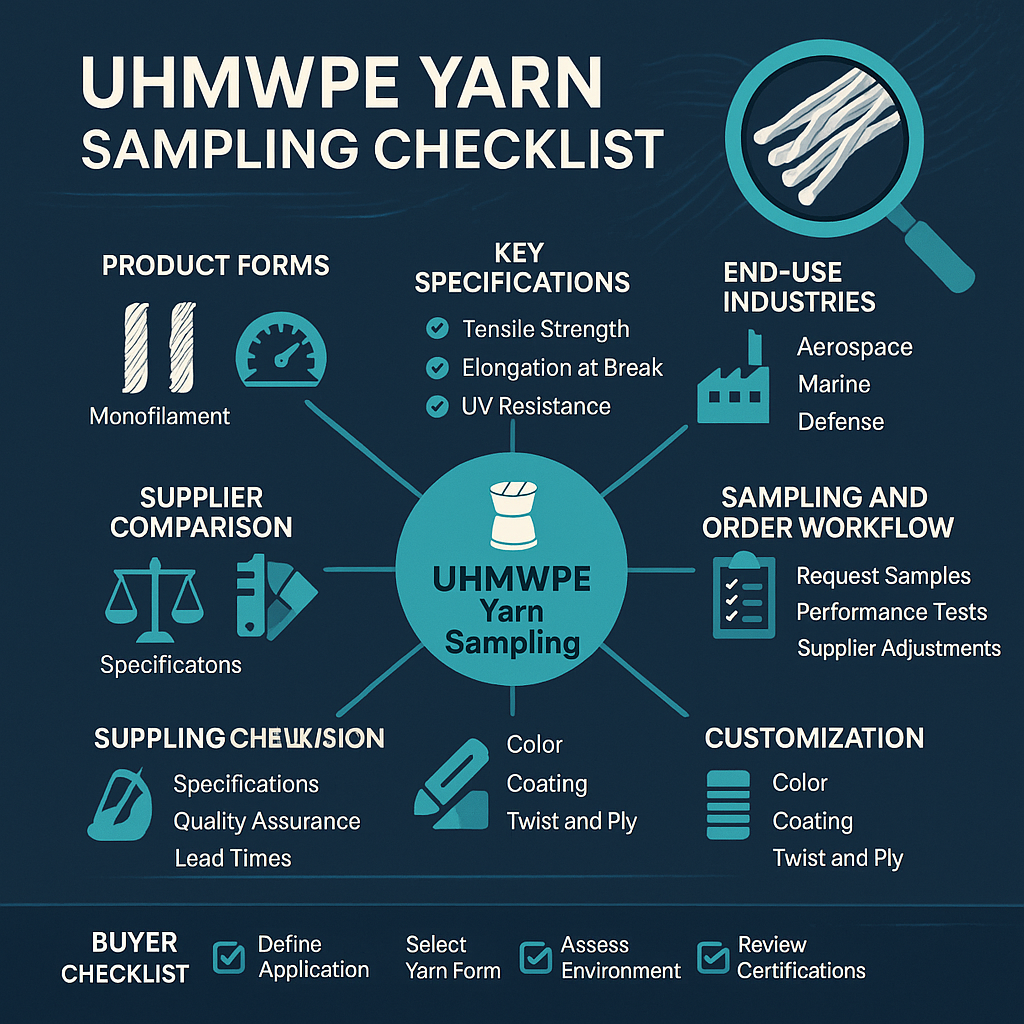
Product Structure and Available Forms
Understanding the structure and forms of UHMWPE yarn is crucial for making informed decisions regarding its applications. UHMWPE, or Ultra-High Molecular Weight Polyethylene, is known for its exceptional strength-to-weight ratio and resistance to abrasion, chemicals, and UV radiation.
Key Technical Points
UHMWPE yarn is typically produced in various forms, including monofilament and multifilament. The choice between these forms can significantly impact performance characteristics:
- Monofilament: Offers high tensile strength and is often used in applications requiring minimal stretch.
- Multifilament: Provides greater flexibility and is suitable for applications where a softer touch is needed.
Understanding these distinctions is vital for selecting the right form based on the specific demands of your application.
Application and Sourcing Considerations
When considering UHMWPE yarn for your projects, it’s essential to evaluate its compatibility with your intended applications. Common applications include:
- Ropes and slings in marine and industrial settings
- Protective clothing and gear
- Composite materials in aerospace and automotive industries
Engaging with a reliable UHMWPE yarn supplier can facilitate access to various forms and specifications tailored to your needs.
Buyer Checklist Before Sampling
Before proceeding with sampling, consider the following checklist to ensure a thorough evaluation:
- Define the specific application and performance requirements.
- Identify the desired yarn form (monofilament or multifilament).
- Assess the environmental conditions the yarn will be exposed to.
- Review the supplier’s certifications and quality assurance processes.
Key Specifications and Test Items
Understanding the key specifications and test items for UHMWPE yarn is crucial for ensuring that it meets your application needs. This section delves into the technical aspects that should be considered.
Key Technical Points
Key specifications to evaluate include:
- Tensile Strength: A critical factor for applications requiring durability and load-bearing capabilities.
- Elongation at Break: Indicates the yarn’s flexibility and ability to withstand stress without breaking.
- UV Resistance: Essential for outdoor applications to prevent degradation over time.
Application and Sourcing Considerations
Different applications may prioritize different specifications. For example, marine applications may require higher UV resistance, while industrial applications may focus on tensile strength. Understanding these nuances can guide your sourcing decisions.
Buyer Checklist Before Sampling
To ensure a comprehensive evaluation, consider the following before sampling:
- Determine the critical specifications for your application.
- Request test data from potential suppliers to verify performance claims.
- Evaluate the yarn’s compatibility with other materials in your application.
Common End Uses and Industries
UHMWPE yarn is utilized across various industries due to its unique properties. Understanding these applications can help you identify potential uses for your projects.
Typical Industries Using This Material
- Aerospace: Used in composite materials for lightweight structures.
- Marine: Essential for ropes and slings due to its strength and resistance to saltwater.
- Defense: Incorporated into protective gear and equipment.
Why Engineers and Buyers Choose It
Engineers and buyers often opt for UHMWPE yarn due to its exceptional strength, lightweight nature, and durability. These properties make it suitable for high-performance applications where traditional materials may fall short.
When Another Material May Be Better
While UHMWPE yarn offers numerous advantages, there are scenarios where alternative materials may be more appropriate. For instance, in applications requiring high thermal resistance, aramid fibers may be a better choice. Understanding the specific requirements of your application is crucial for making informed decisions.
Customization Options
Customization can play a significant role in optimizing UHMWPE yarn for specific applications. This section explores the various customization options available.
Key Technical Points
Customization options may include:
- Color: Dyeing options for aesthetic or functional purposes.
- Coating: Enhancements for specific environmental resistance.
- Twist and Ply: Adjustments to yarn structure for tailored performance characteristics.
Application and Sourcing Considerations
When considering customization, assess how these options align with your application needs. Engaging with a knowledgeable supplier can help navigate these choices effectively.
Buyer Checklist Before Sampling
Prior to sampling customized UHMWPE yarn, consider the following:
- Identify the specific customization requirements for your application.
- Discuss potential impacts on performance with your supplier.
- Request samples of customized options to evaluate their suitability.
Sampling, Qualification, and Order Workflow
Understanding the workflow for sampling, qualification, and ordering is essential for a smooth procurement process. This section outlines the key steps involved.
Key Technical Points
The sampling process typically involves:
- Requesting samples based on defined specifications.
- Conducting performance tests to verify suitability.
- Engaging in discussions with suppliers regarding any necessary adjustments.
Application and Sourcing Considerations
Each step in the workflow should be aligned with your application needs. Ensure that the sampling process is thorough and that all specifications are met before proceeding with larger orders.
Buyer Checklist Before Sampling
Before initiating the sampling process, consider the following checklist:
- Clearly define your sampling criteria and objectives.
- Communicate your needs effectively to the supplier.
- Establish a timeline for testing and evaluation.
How to Compare Offers from Different Suppliers
When evaluating offers from various UHMWPE yarn suppliers, a systematic approach can help ensure that you make the best choice for your needs.
Key Technical Points
Consider the following factors when comparing offers:
- Specifications: Ensure that the yarn meets your defined requirements.
- Quality Assurance: Review the supplier’s quality control processes and certifications.
- Lead Times: Assess the supplier’s ability to meet your project timelines.
Application and Sourcing Considerations
Understanding how each supplier’s offerings align with your application needs is crucial. Engage in discussions to clarify any uncertainties regarding performance or specifications.
Buyer Checklist Before Sampling
Before finalizing your supplier choice, consider the following:
- Compile a comparison matrix of specifications and pricing.
- Evaluate the responsiveness and support offered by each supplier.
- Request references or case studies to assess supplier reliability.
Conclusion
In summary, navigating the complexities of UHMWPE yarn selection requires a thorough understanding of its properties, applications, and sourcing considerations. By utilizing the uhmwpe yarn sampling checklist outlined in this article, you can make informed decisions that align with your project requirements. Remember to engage with knowledgeable suppliers who can assist you in sourcing the right materials for your specific needs. This thoughtful approach will ultimately lead to successful outcomes in your applications.