
Product Structure and Available Forms
Understanding the structure of UHMWPE (Ultra High Molecular Weight Polyethylene) yarn is crucial for selecting the right material for specific applications. This high-performance textile is known for its exceptional strength-to-weight ratio, chemical resistance, and low friction properties. It is commonly available in various forms, including:
- Continuous Filament Yarn: Ideal for applications requiring high tensile strength and durability.
- Staple Fiber: Often used in blended fabrics for enhanced comfort and performance.
- Twisted Yarn: Provides additional strength and flexibility, suitable for various industrial applications.
Key Technical Points
When evaluating UHMWPE yarn, consider the following technical specifications:
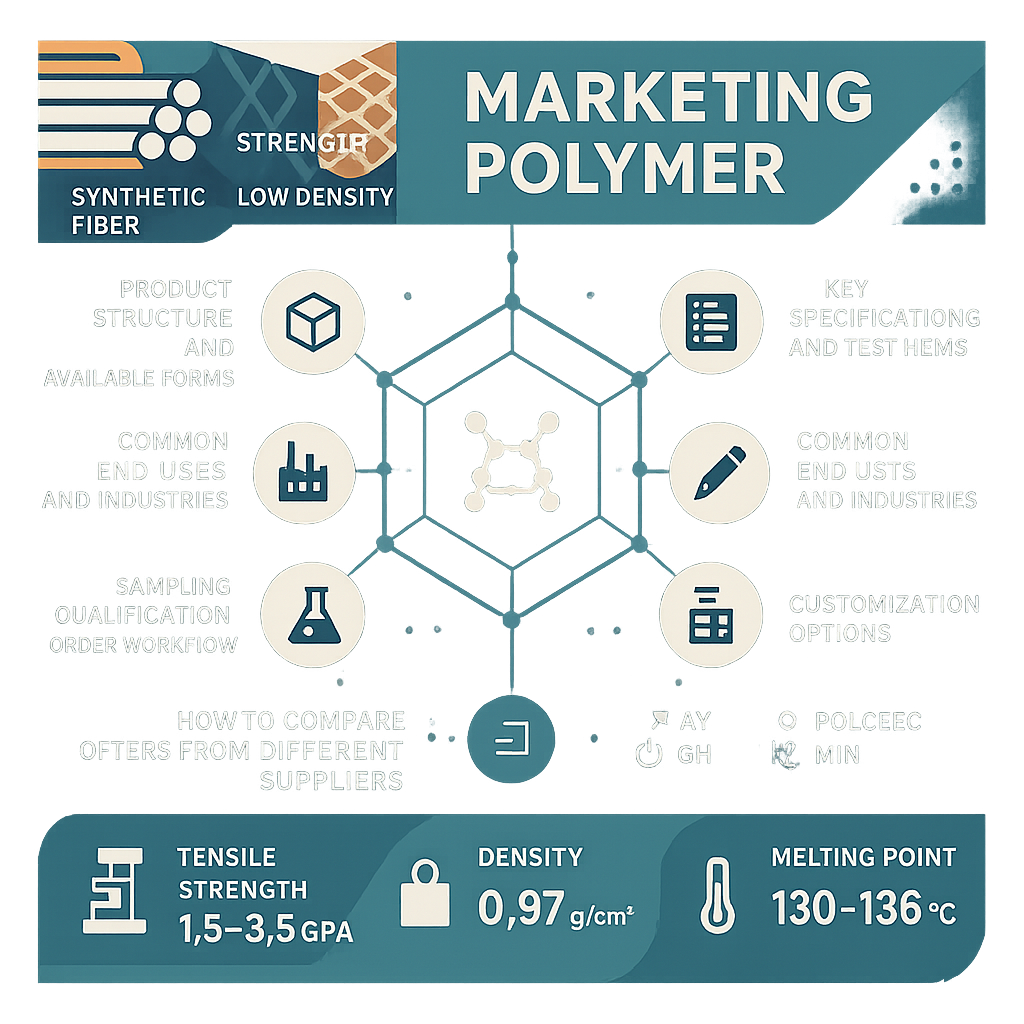
- Tensile Strength: Typically ranges from 1.5 to 3.5 GPa, making it one of the strongest fibers available.
- Density: Approximately 0.97 g/cm³, contributing to its lightweight nature.
- Melting Point: Around 130-136°C, which is essential for applications involving heat exposure.
Application and Sourcing Considerations
When sourcing UHMWPE yarn, it’s essential to align your selection with the intended application. Key considerations include:
- Performance Requirements: Assess the mechanical properties needed for your specific application.
- Environmental Conditions: Consider factors such as temperature, humidity, and exposure to chemicals.
- Supplier Reliability: Ensure that your supplier can consistently provide high-quality materials that meet your specifications.
Buyer Checklist Before Sampling
Before requesting samples, ensure you have addressed the following points:
- Define the specific performance criteria for your application.
- Identify any certifications or standards that the material must meet.
- Clarify the expected lead times and delivery schedules with your supplier.
Key Specifications and Test Items
Understanding the key specifications and test items for UHMWPE yarn is vital for ensuring that the material meets your needs. Common tests include:
- Tensile Testing: Measures the yarn’s strength and elongation at break.
- Fatigue Testing: Evaluates the material’s performance under cyclic loading.
- Chemical Resistance Testing: Assesses the yarn’s ability to withstand exposure to various chemicals.
Key Technical Points
When reviewing specifications, focus on:
- Consistency in tensile strength across different batches.
- Variability in elongation properties, which can affect performance.
- Resistance to UV degradation, especially for outdoor applications.
Application and Sourcing Considerations
Consider the following when sourcing UHMWPE yarn:
- Evaluate the yarn’s compatibility with other materials in your application.
- Assess the supplier’s ability to provide detailed test results and certifications.
- Consider the yarn’s performance in real-world conditions.
Buyer Checklist Before Sampling
Before sampling, ensure you have:
- Defined your application requirements clearly.
- Requested detailed specifications from your supplier.
- Inquired about the supplier’s quality assurance processes.
Common End Uses and Industries
UHMWPE yarn is utilized across various industries due to its unique properties. Common applications include:
- Marine Applications: Used in ropes and nets due to its resistance to saltwater and UV exposure.
- Aerospace: Employed in lightweight composite structures.
- Medical Devices: Utilized in sutures and other medical textiles for its biocompatibility.
Typical Industries Using This Material
Industries that frequently use UHMWPE yarn include:
- Defense and Military
- Aerospace and Aviation
- Maritime and Offshore
- Medical and Healthcare
Why Engineers and Buyers Choose It
Engineers and buyers often opt for UHMWPE yarn due to:
- Exceptional strength-to-weight ratio, allowing for lightweight designs without compromising strength.
- High resistance to abrasion and chemicals, making it suitable for harsh environments.
- Low moisture absorption, which helps maintain performance in wet conditions.
When Another Material May Be Better
While UHMWPE yarn has many advantages, there are scenarios where other materials may be more suitable:
- For applications requiring high-temperature resistance, materials like aramid fibers may be preferable.
- In situations where cost is a critical factor, alternatives like polyester or nylon may offer a more economical solution.
Customization Options
Customization can enhance the performance of UHMWPE yarn for specific applications. Options include:
- Coloring: Custom colors can be added for branding or visibility.
- Twisting and Braiding: Different configurations can improve flexibility and strength.
- Coating: Applying coatings can enhance properties such as UV resistance or grip.
Key Technical Points
When considering customization, focus on:
- The impact of modifications on the yarn’s mechanical properties.
- Potential changes in cost and lead time associated with custom orders.
- The supplier’s capability to meet specific customization requests.
Application and Sourcing Considerations
Evaluate the following when considering customization:
- How the customization aligns with your application requirements.
- The supplier’s experience with similar custom projects.
- Any additional testing that may be required for customized yarn.
Buyer Checklist Before Sampling
Before requesting samples of customized yarn, ensure you have:
- Clearly defined your customization needs.
- Discussed potential impacts on performance with your supplier.
- Inquired about lead times for custom orders.
Sampling, Qualification, and Order Workflow
The process of sampling, qualification, and ordering UHMWPE yarn involves several key steps:
- Initial Sampling: Request samples based on your defined specifications and application needs.
- Testing and Qualification: Conduct necessary tests to ensure the yarn meets your requirements.
- Order Placement: Once qualified, place your order with clear specifications and delivery expectations.
Key Technical Points
During this workflow, pay attention to:
- The consistency of test results across different samples.
- Communication with your supplier regarding any issues that arise during testing.
- Documentation of all specifications and test results for future reference.
Application and Sourcing Considerations
Consider the following when navigating the sampling and ordering process:
- Ensure that your supplier has a clear understanding of your application requirements.
- Discuss any potential challenges in sourcing specific yarn types or specifications.
- Be prepared for potential lead times associated with custom or specialized orders.
Buyer Checklist Before Sampling
Before initiating the sampling process, ensure you have:
- Defined your testing criteria and performance expectations.
- Clarified the supplier’s quality assurance processes.
- Documented all communication regarding specifications and requirements.
How to Compare Offers from Different Suppliers
When evaluating offers from various suppliers, consider the following factors:
- Specifications: Ensure that the yarn meets your defined technical requirements.
- Quality Assurance: Investigate the supplier’s quality control processes and certifications.
- Pricing: Compare pricing structures, but be cautious of offers that seem too good to be true.
Key Technical Points
When comparing offers, focus on:
- The consistency of specifications across different suppliers.
- Any additional services offered, such as customization or technical support.
- Supplier reputation and reliability in delivering quality materials.
Application and Sourcing Considerations
Evaluate the following when comparing offers:
- How well each supplier understands your application needs.
- Any potential trade-offs in performance or cost associated with different offers.
- The supplier’s ability to provide timely support and communication.
Buyer Checklist Before Sampling
Before making a decision, ensure you have:
- Documented all offers and specifications for easy comparison.
- Clarified any questions or concerns with each supplier.
- Considered the long-term relationship potential with each supplier.
Conclusion
In summary, understanding the specifications and applications of UHMWPE yarn is essential for making informed sourcing decisions. By considering the material’s properties, application fit, and supplier reliability, you can ensure that you select the right yarn for your needs. Utilize the provided checklists and frameworks to guide your decision-making process, and remember that thorough evaluation is key to successful material selection.