
What is Hybrid Fabric for Helmets?
Hybrid fabrics have emerged as a critical component in the design and manufacturing of helmets, combining various materials to enhance performance, safety, and comfort. Understanding how to choose hybrid fabric for helmets is essential for manufacturers and engineers looking to optimize their products.
Core Definition and Material Structure
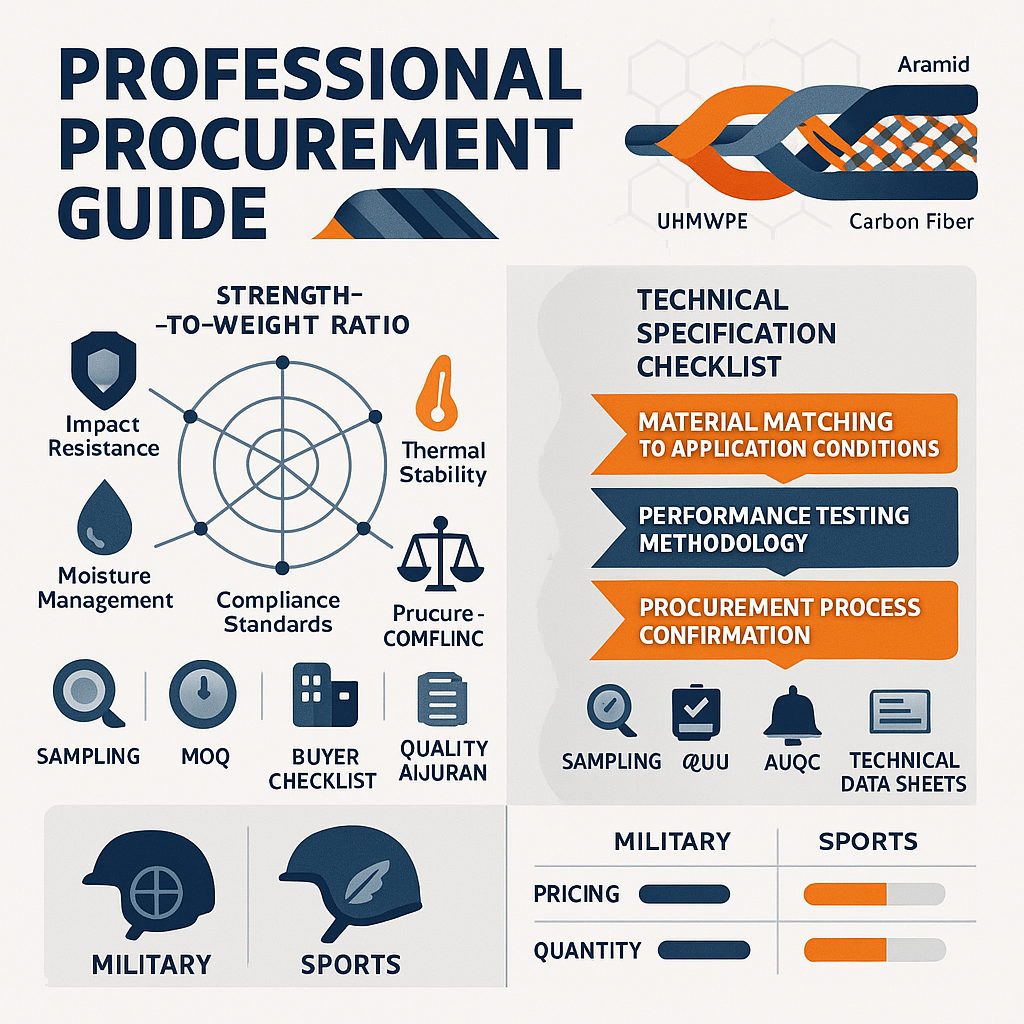
Hybrid fabric typically consists of a blend of different fibers, such as aramid, UHMWPE (Ultra-High Molecular Weight Polyethylene), and carbon fiber. This combination allows for a balance of strength, weight, and flexibility. The structure often includes a matrix that binds these fibers together, enhancing their overall performance characteristics.
Key Performance Characteristics
- Strength-to-Weight Ratio: Hybrid fabrics are designed to provide high tensile strength while remaining lightweight, which is crucial for helmet applications.
- Impact Resistance: The combination of materials can improve the helmet’s ability to absorb and dissipate energy during impacts.
- Thermal Stability: Certain hybrid fabrics can withstand high temperatures, making them suitable for various environments.
- Moisture Management: Fabrics that wick moisture away from the skin can enhance comfort during prolonged wear.
Typical Industrial Forms and Specifications
Hybrid fabrics for helmets can be found in various forms, including woven, knitted, and non-woven structures. Each form has its own set of specifications, such as weight (grams per square meter), thickness, and weave pattern, which can significantly influence the helmet’s performance.
Key Specifications to Confirm Before Ordering
Key Technical Points
Before placing an order for hybrid fabric, it is crucial to confirm specific technical specifications, including:
- Tensile Strength: Ensure the fabric meets the required strength for the intended application.
- Elongation at Break: This indicates how much the fabric can stretch before failing.
- Weight and Thickness: These factors will affect the overall comfort and usability of the helmet.
Application and Sourcing Considerations
Understanding the end-use application of the helmet is vital. For instance, helmets used in extreme sports may require different specifications compared to those used in industrial settings. Additionally, sourcing considerations such as lead time and availability of materials should be factored into the decision-making process.
Buyer Checklist Before Sampling
- Confirm the fabric specifications align with your application needs.
- Assess the supplier’s ability to provide samples for testing.
- Evaluate the supplier’s track record in delivering quality materials.
Performance Factors That Affect End Use
Key Technical Points
Several performance factors can significantly impact the effectiveness of hybrid fabrics in helmets:
- Environmental Resistance: Consider how the fabric performs under different environmental conditions, such as humidity and temperature variations.
- Durability: The longevity of the fabric in real-world applications is a critical consideration.
Application and Sourcing Considerations
Different applications may require unique performance characteristics. For example, helmets for military use may prioritize ballistic resistance, while those for sports may focus on lightweight and comfort. Sourcing the right material that meets these specific needs is essential.
Buyer Checklist Before Sampling
- Identify the specific performance characteristics required for your application.
- Ensure the supplier can provide detailed technical data sheets.
- Request samples to evaluate performance in real-world conditions.
How to Choose for Helmets
Key Specification Checklist
When choosing hybrid fabric for helmets, consider the following specifications:
- Material Composition: Ensure the blend of fibers meets your performance needs.
- Weight and Thickness: Assess how these factors will affect comfort and usability.
- Compliance with Standards: Verify that the fabric meets industry safety standards.
Matching Material to Application Conditions
Different applications will have varying requirements. For instance, helmets designed for high-impact sports may need fabrics with superior impact resistance, while those for industrial use may prioritize durability and heat resistance. Understanding these nuances is key to making an informed choice.
Common Mistakes Before Sampling or Bulk Order
- Neglecting to verify the supplier’s quality assurance processes.
- Overlooking the importance of testing samples in real-world conditions.
- Failing to consider the long-term performance of the fabric.
MOQ, Sampling, Customization, and Lead Time
What Affects Pricing
The pricing of hybrid fabrics can be influenced by several factors, including:
- Material Costs: The type and quality of fibers used will affect the overall cost.
- Production Methods: Advanced manufacturing techniques may increase costs.
- Order Volume: Larger orders may benefit from reduced pricing.
MOQ, Sample, and Lead Time Considerations
Minimum Order Quantities (MOQ) can vary significantly between suppliers. Understanding these requirements is crucial for budgeting and planning. Additionally, lead times can impact project timelines, so it’s advisable to confirm these details before proceeding with an order.
What Buyers Should Confirm Before RFQ
- Clarify the MOQ and lead time with the supplier.
- Ensure the supplier can accommodate customization requests.
- Request detailed pricing information based on your specifications.
Common Mistakes Buyers Should Avoid
Key Technical Points
Buyers often make several common mistakes that can lead to suboptimal choices:
- Failing to conduct thorough research on material properties.
- Overlooking the importance of supplier reliability and quality assurance.
Application and Sourcing Considerations
Understanding the specific application needs is essential. Buyers should avoid making assumptions about material performance based on generalizations.
Buyer Checklist Before Sampling
- Conduct a comprehensive review of material properties.
- Verify the supplier’s quality assurance processes.
- Ensure alignment between your application needs and the material specifications.
Inquiry Checklist for Suppliers and Trading Companies
Key Technical Points
When reaching out to suppliers, consider asking the following questions:
- What are the specific material properties of the hybrid fabric?
- Can you provide samples for testing?
- What are your quality assurance processes?
Application and Sourcing Considerations
Inquire about the supplier’s experience with similar applications. Understanding their expertise can provide valuable insights into material performance.
Buyer Checklist Before Sampling
- Prepare a list of specific questions tailored to your application needs.
- Request detailed technical data sheets for review.
- Assess the supplier’s responsiveness and willingness to provide information.
Conclusion
Choosing the right hybrid fabric for helmets involves a careful evaluation of material specifications, performance factors, and application needs. By understanding the nuances of hybrid fabrics and following a structured decision-making process, buyers can make informed choices that enhance the safety and performance of their helmets. Remember to conduct thorough research, ask the right questions, and avoid common pitfalls to ensure a successful procurement process.