
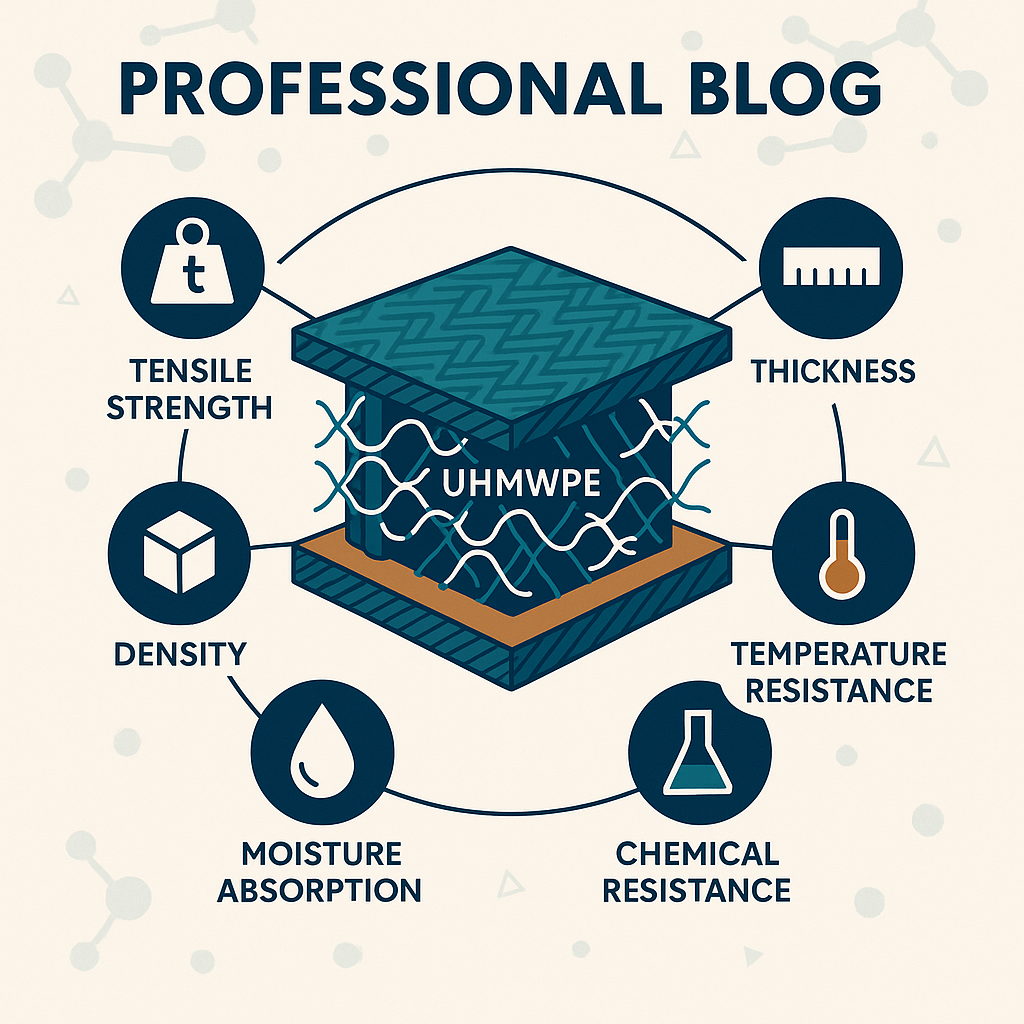
What is UHMWPE for Composite Reinforcement?
Ultra-high molecular weight polyethylene (UHMWPE) is a highly versatile polymer known for its exceptional strength-to-weight ratio and outstanding wear resistance. In the context of composite reinforcement, UHMWPE serves as a critical material that enhances the mechanical properties of various composite structures. Understanding how to choose UHMWPE for composite reinforcement is essential for engineers and decision-makers aiming to optimize performance in demanding applications.
Core Definition and Material Structure
UHMWPE is characterized by its long molecular chains, which contribute to its high molecular weight—typically exceeding 3 million g/mol. This unique structure results in a material that exhibits remarkable toughness, low friction, and excellent impact resistance. When incorporated into composite materials, UHMWPE can significantly improve the overall durability and performance of the final product.
Key Performance Characteristics
- High Wear Resistance: UHMWPE’s resistance to abrasion makes it ideal for applications involving friction and wear.
- Low Coefficient of Friction: This property allows for smoother operation in mechanical systems, reducing energy consumption.
- Chemical Resistance: UHMWPE is resistant to a wide range of chemicals, making it suitable for harsh environments.
- Impact Resistance: The material can absorb significant energy without fracturing, which is crucial for safety in applications.
Typical Industrial Forms and Specifications
UHMWPE is available in various forms, including sheets, rods, and custom shapes. Common specifications include thickness, density, and tensile strength, which can vary based on the intended application. Understanding these specifications is vital when determining how to choose UHMWPE for composite reinforcement.
Key Specifications to Confirm Before Ordering
Key Technical Points
Before placing an order for UHMWPE, it’s crucial to confirm several technical specifications:
- Tensile Strength: Ensure the material meets the required tensile strength for your application.
- Thickness: The thickness of the UHMWPE will affect its performance; thicker materials generally offer greater durability.
- Density: The density of UHMWPE can influence its weight and mechanical properties.
Application and Sourcing Considerations
Consider the specific application requirements when sourcing UHMWPE. Different industries may have unique standards and certifications that the material must meet. Additionally, sourcing from reputable suppliers ensures that you receive high-quality material that adheres to these specifications.
Buyer Checklist Before Sampling
- Confirm the required specifications (tensile strength, thickness, etc.).
- Check for compliance with industry standards.
- Request samples to evaluate material performance in your specific application.
Performance Factors That Affect End Use
Key Technical Points
Understanding the performance factors that impact the end use of UHMWPE is essential for making informed decisions. These factors include:
- Temperature Resistance: UHMWPE can perform well in a range of temperatures, but exceeding its limits can lead to material degradation.
- Moisture Absorption: While UHMWPE is hydrophobic, excessive moisture can affect its bonding properties in composites.
Application and Sourcing Considerations
Different applications may require specific performance characteristics. For instance, in high-impact environments, the toughness of UHMWPE becomes critical. When sourcing, consider the supplier’s ability to provide materials that meet these specific performance needs.
Buyer Checklist Before Sampling
- Evaluate the environmental conditions of the application.
- Assess the mechanical demands on the composite material.
- Consider the long-term performance requirements.
How to Choose for Composite Reinforcement
Key Specification Checklist
When determining how to choose UHMWPE for composite reinforcement, a checklist can help streamline the decision-making process:
- Identify the mechanical properties required for your application.
- Confirm compatibility with other materials in the composite.
- Assess the environmental conditions the composite will face.
Matching Material to Application Conditions
Understanding the specific application conditions is crucial for selecting the right UHMWPE. For example, if the composite will be exposed to high temperatures or corrosive environments, ensure that the UHMWPE selected can withstand these conditions without compromising performance.
Common Mistakes Before Sampling or Bulk Order
- Overlooking the importance of material compatibility.
- Failing to test samples in real-world conditions.
- Neglecting to confirm specifications with suppliers.
MOQ, Sampling, Customization, and Lead Time
What Affects Pricing
Pricing for UHMWPE can vary based on several factors, including:
- Material grade and specifications.
- Order quantity and customization requirements.
- Supplier reputation and sourcing capabilities.
MOQ, Sample, and Lead Time Considerations
Minimum order quantities (MOQ) can impact your purchasing strategy. It’s essential to understand the MOQ set by suppliers and how it aligns with your project needs. Additionally, lead times can vary based on customization and sourcing logistics, so plan accordingly.
What Buyers Should Confirm Before RFQ
- Clarify the specifications required for your application.
- Confirm lead times and MOQs with potential suppliers.
- Request detailed quotes that include all associated costs.
Common Mistakes Buyers Should Avoid
Key Technical Points
Buyers often make mistakes that can lead to suboptimal material selection. Some key points to consider include:
- Not fully understanding the technical specifications of UHMWPE.
- Assuming all UHMWPE grades are interchangeable.
Application and Sourcing Considerations
It’s crucial to align the material properties with the specific application requirements. Misalignment can lead to performance failures and increased costs. Always conduct thorough evaluations before finalizing your choice.
Buyer Checklist Before Sampling
- Review technical specifications thoroughly.
- Ensure that the supplier understands your application needs.
- Conduct a risk assessment of potential material failures.
Inquiry Checklist for Suppliers and Trading Companies
Key Technical Points
When engaging with suppliers, having a structured inquiry checklist can facilitate effective communication:
- Ask about the material’s compliance with industry standards.
- Inquire about the supplier’s sourcing capabilities and quality control processes.
Application and Sourcing Considerations
Understanding the supplier’s expertise in your specific application area can be beneficial. Suppliers with experience in your industry may offer valuable insights and recommendations.
Buyer Checklist Before Sampling
- Confirm the supplier’s ability to meet your specifications.
- Request references or case studies relevant to your application.
- Evaluate the supplier’s responsiveness and customer service.
Conclusion
Choosing the right UHMWPE for composite reinforcement involves a careful evaluation of specifications, performance characteristics, and application requirements. By understanding the key factors influencing material selection and avoiding common pitfalls, buyers can make informed decisions that enhance the performance and durability of their composite materials. Utilize the checklists provided throughout this article to streamline your decision-making process and ensure that the UHMWPE you select aligns with your project goals.