
Why UHMWPE is Used in Outdoor Gear Reinforcement
In the world of outdoor gear, durability and performance are paramount. As adventurers seek equipment that can withstand harsh conditions, materials like Ultra High Molecular Weight Polyethylene (UHMWPE) have gained prominence. This article explores why UHMWPE is increasingly favored for outdoor gear reinforcement, focusing on its unique properties, applications, and sourcing considerations.
Key Technical Points
UHMWPE is renowned for its exceptional strength-to-weight ratio, making it an ideal choice for outdoor gear that must be both lightweight and durable. Some key technical points include:
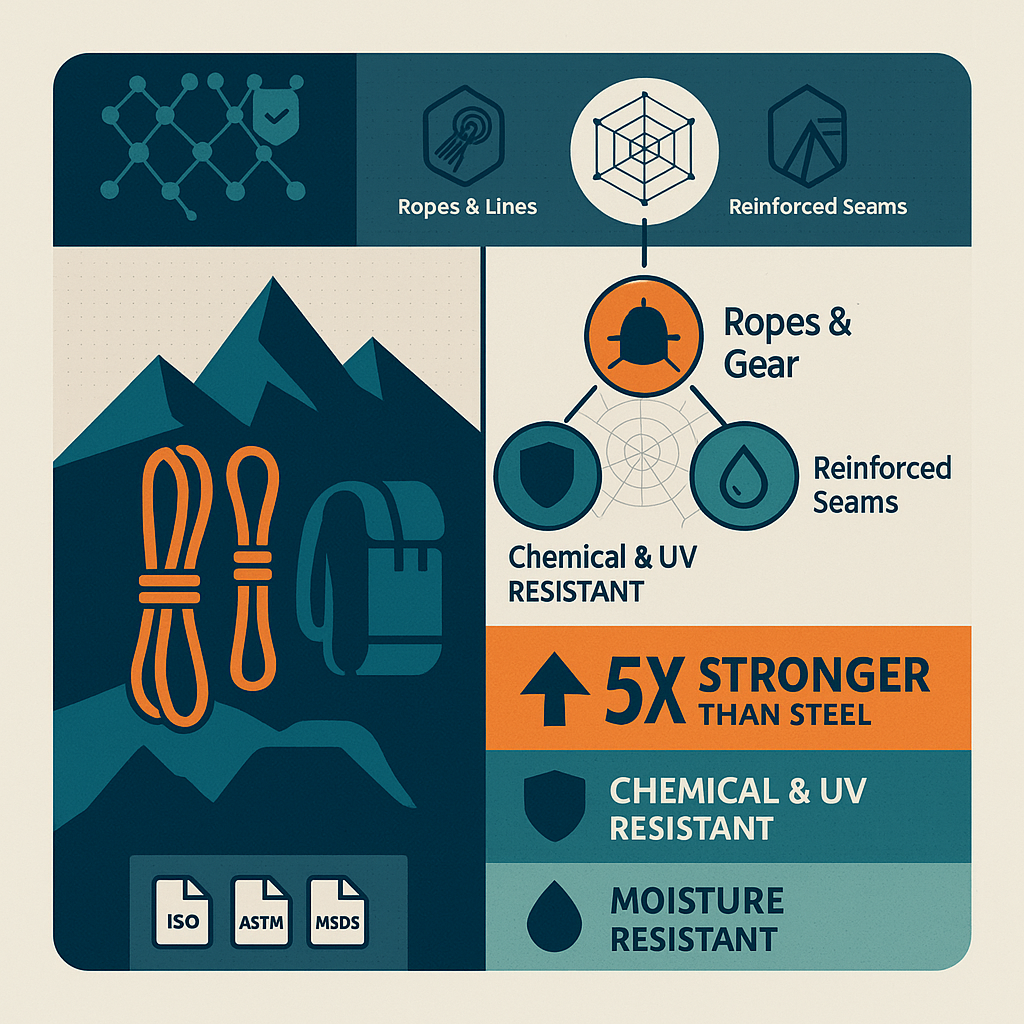
- High tensile strength: UHMWPE boasts a tensile strength that is five times greater than steel, allowing it to endure significant stress without failure.
- Low friction coefficient: Its low friction properties reduce wear and tear, enhancing the longevity of gear components.
- Resistance to chemicals and UV rays: UHMWPE is resistant to a variety of chemicals and UV radiation, ensuring that it maintains its integrity in diverse environments.
Application and Sourcing Considerations
When considering UHMWPE for outdoor gear reinforcement, it’s essential to evaluate specific applications. Common uses include:
- Ropes and lines for climbing and sailing
- Protective gear such as knee pads and gloves
- Reinforced seams in tents and backpacks
Sourcing UHMWPE requires attention to quality and consistency. Look for suppliers who can provide detailed specifications and certifications to ensure the material meets your performance needs.
Buyer Checklist Before Sampling
Before requesting samples, consider the following checklist:
- Define the specific application and performance requirements.
- Assess the supplier’s reputation and experience with UHMWPE.
- Request technical data sheets and compliance certifications.
Key Performance Requirements
Key Technical Points
Understanding the performance requirements of UHMWPE is crucial for effective application. Key performance factors include:
- Impact resistance: UHMWPE can absorb and dissipate energy, making it ideal for high-impact applications.
- Temperature tolerance: It maintains performance across a wide temperature range, from extreme cold to heat.
- Moisture resistance: UHMWPE does not absorb water, preventing degradation in wet conditions.
Application and Sourcing Considerations
Consider how these performance requirements align with your specific outdoor gear applications. For instance, if your gear will be exposed to extreme conditions, prioritize sourcing UHMWPE with enhanced impact resistance.
Buyer Checklist Before Sampling
In addition to the initial checklist, consider:
- Evaluate the environmental conditions the gear will face.
- Determine if additional treatments or coatings are necessary for your application.
- Check for compatibility with other materials used in your gear.
Material Construction and Specification Options
Key Technical Points
UHMWPE can be produced in various constructions, each suited for different applications. Key specifications to consider include:
- Fiber type: UHMWPE fibers can be braided, woven, or used in composite forms, affecting flexibility and strength.
- Denier: The denier of the fiber influences the overall weight and durability of the gear.
- Coating options: Some applications may benefit from additional coatings for enhanced abrasion resistance.
Application and Sourcing Considerations
When selecting a construction type, consider the specific demands of your outdoor gear. For example, braided UHMWPE may offer superior flexibility for climbing ropes, while woven constructions might be better for protective gear.
Buyer Checklist Before Sampling
Before sampling, ensure you have:
- A clear understanding of the required construction type for your application.
- Specifications for weight and strength that align with your performance needs.
- Information on any additional treatments or coatings that may be necessary.
Processing, Lamination, or Fabrication Considerations
Common Processing Methods
Processing UHMWPE for outdoor gear can involve various methods, including:
- Weaving and braiding: These methods create flexible and strong fabrics suitable for ropes and protective gear.
- Lamination: Laminating UHMWPE with other materials can enhance durability and performance.
- Cutting and sewing: Traditional methods can be used to create finished products, but require specialized techniques to handle UHMWPE.
Design and Fabrication Limitations
While UHMWPE offers numerous advantages, it does have limitations. For instance, its stiffness can pose challenges in certain designs, and specialized equipment may be needed for effective processing.
Implications for Sourcing and Customization
When sourcing UHMWPE, consider how processing methods may affect your design capabilities. Collaborate with suppliers who have experience in fabricating UHMWPE to ensure your specifications are met.
Common Standards, Testing, or Buyer Concerns
Relevant Test Methods
Testing UHMWPE for outdoor gear reinforcement typically involves:
- Tensile strength tests to measure load-bearing capacity.
- Impact resistance tests to evaluate durability under stress.
- UV exposure tests to assess long-term performance in sunlight.
Standards Buyers Often Ask About
Buyers frequently inquire about compliance with standards such as:
- ISO standards for material performance
- ASTM standards for testing methods
- Environmental certifications for sustainability
How to Verify Compliance with Suppliers
To ensure compliance, request documentation from suppliers, including:
- Certificates of compliance with relevant standards
- Test reports from accredited laboratories
- Material safety data sheets (MSDS)
How to Evaluate Samples Before Bulk Order
Key Technical Points
Evaluating samples of UHMWPE is crucial before placing a bulk order. Key points to consider include:
- Visual inspection for defects or inconsistencies.
- Performance testing under conditions similar to actual use.
- Feedback from field tests, if possible.
Application and Sourcing Considerations
Ensure that the samples align with your specific application requirements. Consider how the material performs in real-world scenarios to gauge its suitability.
Buyer Checklist Before Sampling
Before finalizing your decision, check:
- Whether the sample meets your technical specifications.
- If additional treatments or modifications are necessary.
- Supplier responsiveness and willingness to collaborate on adjustments.
In conclusion, UHMWPE stands out as a superior material for outdoor gear reinforcement due to its remarkable strength, durability, and resistance to environmental factors. By understanding its performance characteristics, application considerations, and sourcing implications, buyers can make informed decisions that enhance the quality and reliability of their outdoor gear. As you explore UHMWPE options, remember to evaluate samples carefully and consider the specific demands of your applications for optimal results.