
What does seam strength uses mean in sewing thread applications?
Seam strength is a critical factor in the performance of sewing threads, influencing the durability and functionality of the final product. Understanding seam strength uses is essential for selecting the right thread for various applications, ensuring that the seams can withstand the stresses they will encounter in real-world use.
Basic definition
Seam strength refers to the ability of a seam to resist breaking under tension. It is measured by the amount of force required to pull the seam apart. This measurement is crucial for determining the suitability of a sewing thread for specific applications, as different materials and construction methods can significantly affect seam integrity.
Why it matters in sewing performance
The importance of seam strength in sewing performance cannot be overstated. A strong seam ensures that the fabric pieces remain securely attached, which is vital in applications where durability is paramount, such as in outdoor gear, automotive upholstery, and heavy-duty textiles. Poor seam strength can lead to seam failure, resulting in product defects and increased costs due to repairs or replacements.
Where is seam strength uses used?
Seam strength is a key consideration across various sewing applications. Understanding where and how it is applied can help buyers make informed decisions when selecting threads.
Common sewing thread products or applications
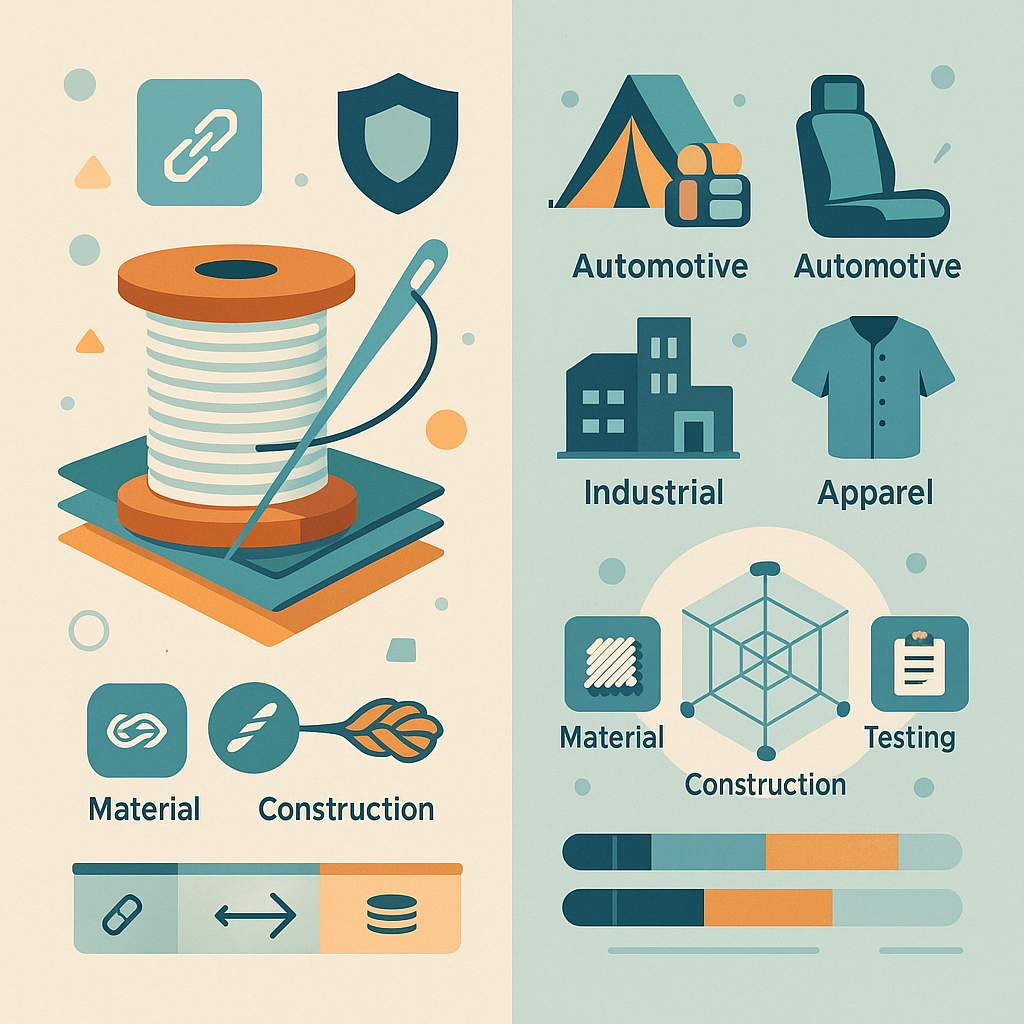
- Outdoor gear: Products like tents, backpacks, and jackets require threads with high seam strength to withstand environmental stresses.
- Automotive upholstery: Seams in car interiors must endure wear and tear, making seam strength a critical factor in thread selection.
- Industrial textiles: Heavy-duty fabrics used in construction or manufacturing often rely on strong seams to maintain structural integrity.
- Apparel: While not all garments require high seam strength, items subjected to frequent stress, like workwear, benefit from stronger seams.
What buyers usually check
When sourcing threads, buyers typically evaluate several factors related to seam strength:
- Material type: Different materials, such as polyester or nylon, offer varying levels of seam strength.
- Thread construction: The way a thread is spun or bonded can impact its strength.
- Testing standards: Buyers often look for threads that meet specific industry standards for seam strength.
How to evaluate seam strength uses
Evaluating seam strength uses involves understanding the specifications and performance characteristics of the threads being considered.
Key points on a specification sheet
A specification sheet should provide essential information for assessing seam strength:
- Tensile strength: This indicates the maximum load the thread can bear before breaking.
- Elongation: This measures how much the thread can stretch before it breaks, which can affect seam performance.
- Thread count: A higher thread count often correlates with increased strength, but this can vary based on material and construction.
Common misunderstandings
There are several misconceptions regarding seam strength:
- Stronger is always better: While high seam strength is crucial for some applications, it may not be necessary for lighter fabrics.
- All threads of the same material are equal: Variations in construction and finishing can lead to significant differences in performance.
Practical takeaway for sourcing teams
For sourcing teams, understanding seam strength uses is vital for making informed decisions that align with application requirements.
When to ask for samples
Requesting samples is advisable when:
- You are unsure about the performance of a thread in a specific application.
- You need to compare different thread types to determine the best fit.
When another thread type may fit better
In some cases, a different thread type may be more suitable:
- If the application involves lighter fabrics, a thread with lower seam strength but better flexibility may be preferable.
- For specialized applications, such as heat resistance or moisture-wicking, alternative materials may outperform standard threads.
In conclusion, understanding seam strength uses is essential for selecting the right sewing thread for various applications. By evaluating specifications, recognizing common misunderstandings, and knowing when to request samples, sourcing teams can make informed decisions that enhance the durability and performance of their sewn products.