
Product Structure and Available Forms
Understanding the structure of UHMWPE (Ultra High Molecular Weight Polyethylene) cut resistant fabric is crucial for making informed decisions regarding its applications. This fabric is engineered from long-chain polyethylene molecules, which contribute to its exceptional strength and durability. Available in various forms, including woven, knitted, and non-woven, each type offers unique benefits depending on the intended use.
Key Technical Points
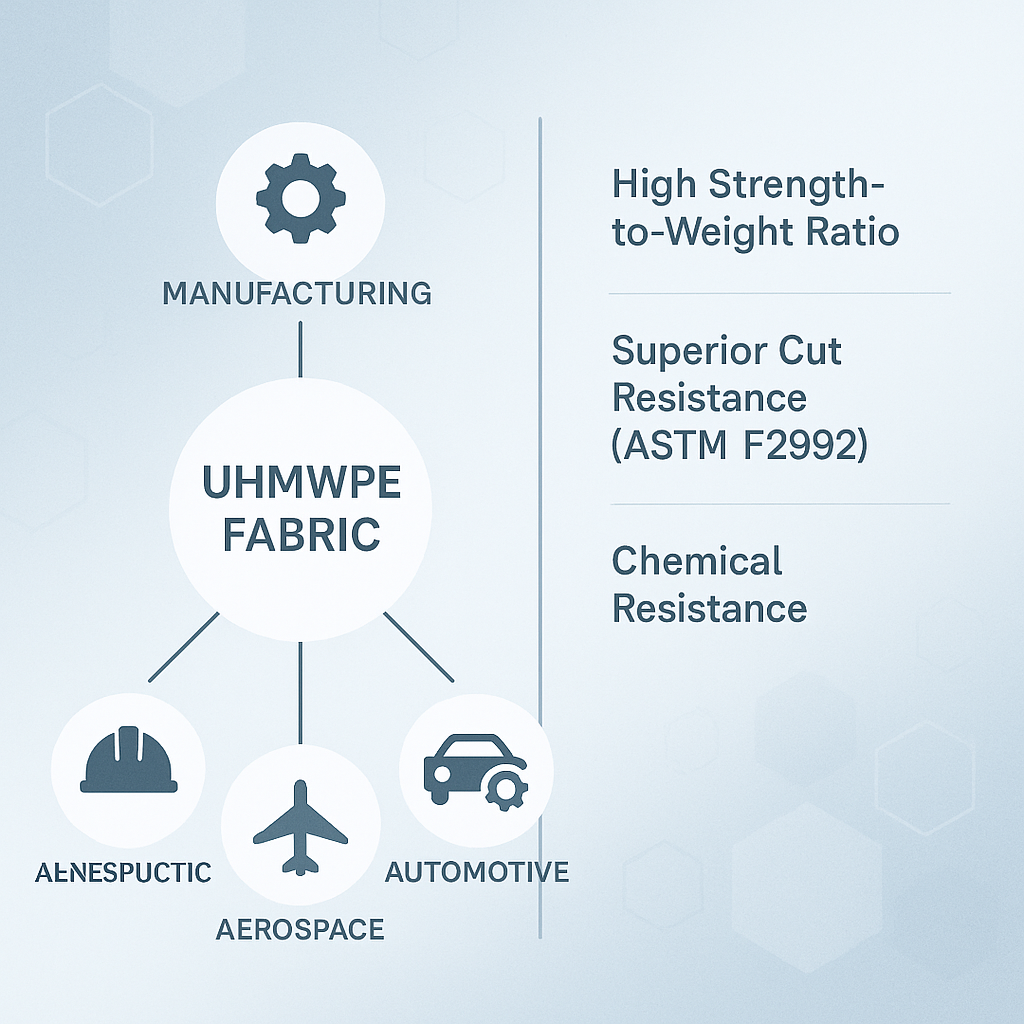
- High Strength-to-Weight Ratio: UHMWPE fibers exhibit a remarkable strength-to-weight ratio, making them ideal for applications where weight savings are critical.
- Cut Resistance: The molecular structure of UHMWPE provides superior cut resistance, outperforming many traditional materials.
- Chemical Resistance: UHMWPE is resistant to a wide range of chemicals, enhancing its usability in various industrial environments.
Application and Sourcing Considerations
When sourcing UHMWPE cut resistant fabric, it is essential to consider the specific requirements of your application. Factors such as environmental conditions, exposure to chemicals, and the nature of potential hazards should guide your selection process. Collaborating with a knowledgeable supplier can help ensure that you choose the right form and specification for your needs.
Buyer Checklist Before Sampling
- Define the specific application and performance requirements.
- Identify environmental factors that may affect material performance.
- Consult with technical experts to understand the best fabric form.
- Review supplier capabilities and past performance in similar applications.
Key Specifications and Test Items
Understanding the specifications and testing standards for UHMWPE cut resistant fabric is vital for ensuring it meets your application needs. Various tests can evaluate its performance, including cut resistance, abrasion resistance, and tensile strength.
Key Technical Points
- Cut Resistance Testing: Standards such as ASTM F2992 or ISO 13997 provide benchmarks for evaluating cut resistance.
- Durability Tests: Assessing the fabric’s performance under repeated stress can indicate its longevity in demanding applications.
- Environmental Resistance: Testing for UV stability and chemical resistance is essential for applications exposed to harsh conditions.
Application and Sourcing Considerations
When evaluating specifications, consider how the fabric will be used in real-world scenarios. For instance, a fabric with high cut resistance may not perform well in environments where abrasion is a concern. Therefore, a thorough understanding of the application context is necessary for effective sourcing.
Buyer Checklist Before Sampling
- Determine the relevant testing standards for your application.
- Assess the supplier’s ability to provide certified test results.
- Evaluate the fabric’s performance in relation to your specific use case.
Common End Uses and Industries
UHMWPE cut resistant fabric is utilized across a variety of industries, each with its unique requirements and challenges. Understanding these applications can help you identify where this material may be most beneficial.
Typical Industries Using This Material
- Manufacturing: Used in protective clothing and equipment for workers handling sharp materials.
- Construction: Employed in gloves and protective gear for workers exposed to cutting hazards.
- Automotive: Integrated into components that require lightweight yet durable materials.
- Aerospace: Used in applications where weight and strength are critical.
Why Engineers and Buyers Choose It
Engineers and buyers often select UHMWPE cut resistant fabric due to its superior performance characteristics. Its lightweight nature, combined with exceptional cut and abrasion resistance, makes it an attractive option for safety gear and industrial applications. Additionally, its chemical resistance allows for versatility in various environments.
When Another Material May Be Better
While UHMWPE offers numerous advantages, there are scenarios where alternative materials may be more suitable. For example, if extreme heat resistance is required, aramid fibers may be a better choice. Understanding the specific demands of your application will help in making the right material selection.
Customization Options
Customization is often necessary to meet specific application requirements. UHMWPE cut resistant fabric can be tailored in terms of thickness, weave pattern, and additional coatings to enhance performance.
Key Technical Points
- Thickness Variations: Different thicknesses can affect cut resistance and flexibility.
- Weave Patterns: Custom weaves can enhance specific properties, such as breathability or additional strength.
- Coatings: Adding coatings can improve water resistance or chemical protection.
Application and Sourcing Considerations
When considering customization, it is essential to communicate your specific needs clearly to your supplier. This ensures that the final product aligns with your application requirements and performance expectations.
Buyer Checklist Before Sampling
- Identify the specific customization needs for your application.
- Discuss potential customization options with your supplier.
- Request samples of customized fabrics to evaluate performance.
Sampling, Qualification, and Order Workflow
Understanding the workflow for sampling and qualification is crucial for ensuring that the selected UHMWPE cut resistant fabric meets your requirements before making a larger commitment.
Key Technical Points
- Sampling Process: Request samples based on your specific application needs to evaluate performance.
- Qualification Testing: Conduct necessary tests to ensure the fabric meets your specifications.
- Order Workflow: Establish clear communication with your supplier regarding timelines and expectations.
Application and Sourcing Considerations
During the sampling and qualification phase, it is essential to document findings and communicate any adjustments needed to the supplier. This collaborative approach can lead to better outcomes and ensure that the final product aligns with your expectations.
Buyer Checklist Before Sampling
- Define the sampling criteria based on your application.
- Ensure that all necessary tests are planned and documented.
- Communicate clearly with your supplier about your requirements and timelines.
How to Compare Offers from Different Suppliers
As you explore options for UHMWPE cut resistant fabric, comparing offers from different suppliers can be a complex process. Understanding key factors will help you make informed decisions.
Key Technical Points
- Performance Specifications: Ensure that all suppliers provide comparable performance data based on standardized testing.
- Customization Capabilities: Assess each supplier’s ability to meet your specific customization needs.
- Lead Times and Reliability: Evaluate the supplier’s track record for meeting delivery timelines.
Application and Sourcing Considerations
When comparing offers, consider not only the price but also the overall value provided by each supplier. This includes factors such as customer support, technical expertise, and the ability to meet specific requirements.
Buyer Checklist Before Sampling
- Gather performance data from all suppliers for a side-by-side comparison.
- Evaluate customization options and capabilities.
- Assess the reliability and reputation of each supplier.
Conclusion
In summary, selecting the right UHMWPE cut resistant fabric requires a thorough understanding of its properties, applications, and sourcing considerations. By following the outlined guidelines and checklists, decision-makers can make informed choices that align with their specific needs. Whether you are in manufacturing, construction, or another industry, the insights provided in this guide can help you navigate the complexities of material selection and ensure optimal performance in your applications.