
The Bigger Picture Behind Agricultural Textiles
Agricultural textiles play a pivotal role in modern farming practices, offering solutions that extend beyond mere crop protection. These materials are designed to enhance productivity, improve resource efficiency, and contribute to sustainable agricultural practices. As the agricultural sector faces increasing challenges—from climate change to labor shortages—the demand for innovative textile solutions has surged. Understanding the various agricultural textiles application examples can help farmers and agribusinesses make informed decisions that align with their operational goals.
How Materials, Structure, and Processing Affect Results
The performance of agricultural textiles is largely dictated by the materials used, their structural design, and the processing techniques employed. Each of these factors contributes to how well a textile can perform its intended function, whether that be shading crops, retaining moisture, or providing pest control.
Why One Specification Never Tells the Full Story
When evaluating agricultural textiles, it is crucial to recognize that a single specification—such as UV resistance or tensile strength—does not provide a complete picture. For example, a fabric may boast high UV resistance but may not be breathable, leading to moisture buildup and potential crop damage. Therefore, a holistic approach to material selection is essential. Consider the following:
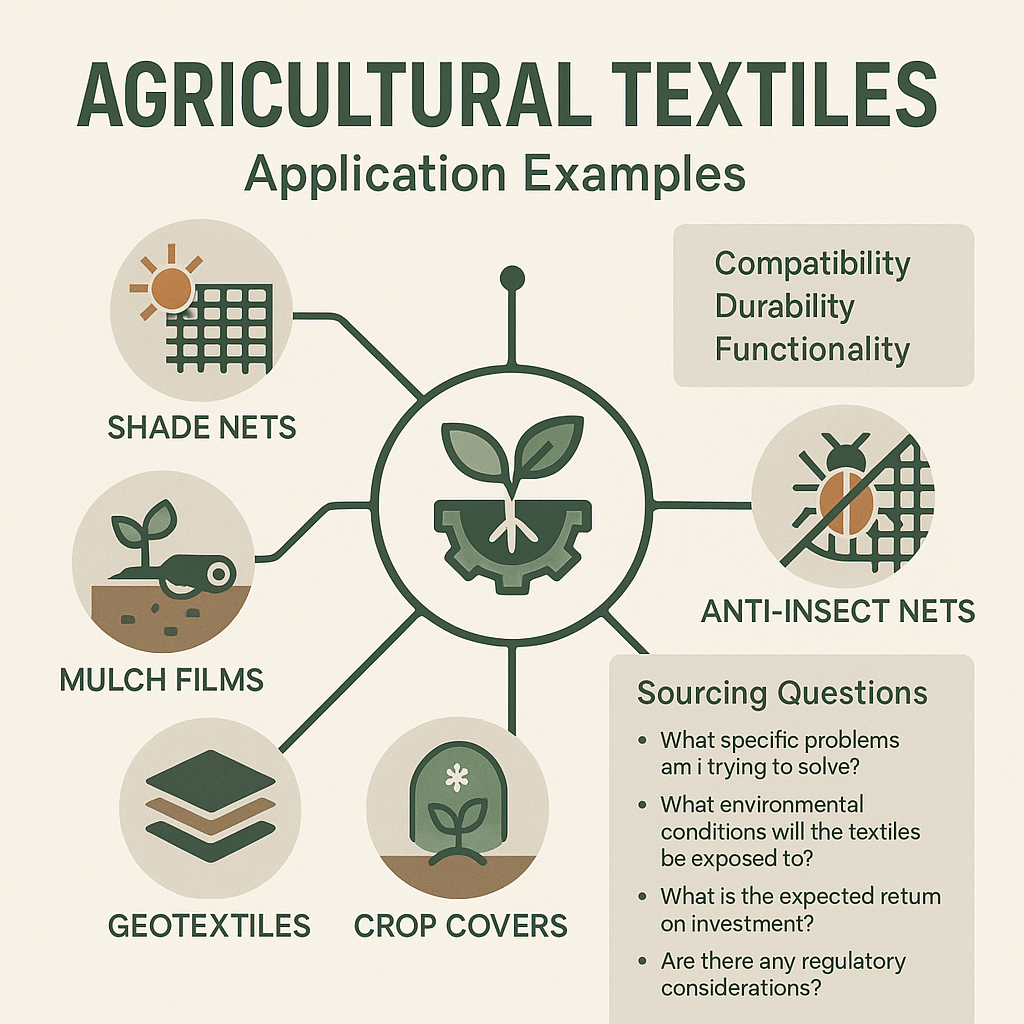
- Compatibility: How does the textile interact with the specific crop or environment?
- Durability: What is the expected lifespan of the textile under various conditions?
- Functionality: Does the textile serve multiple purposes, such as providing shade and pest control?
How to Compare Options by End-Use Requirements
When sourcing agricultural textiles, it is vital to align material properties with end-use requirements. This involves a thorough understanding of the specific challenges faced on the farm and how various textiles can address these challenges.
Questions Worth Asking Before Sourcing
Before making a decision, consider the following questions:
- What specific problems am I trying to solve? Identify the primary challenges, such as water retention, pest control, or temperature regulation.
- What environmental conditions will the textiles be exposed to? Consider factors like UV exposure, moisture levels, and temperature fluctuations.
- What is the expected return on investment? Evaluate the long-term benefits versus the initial costs associated with the textiles.
- Are there any regulatory considerations? Ensure that the textiles meet any agricultural regulations or standards in your region.
Examples, Trends, and What to Watch Next
As the agricultural sector evolves, so do the applications of agricultural textiles. Here are some notable examples and trends that illustrate their versatility:
1. Shade Nets
Shade nets are commonly used to protect crops from excessive sunlight and heat. They can also reduce water evaporation, making them particularly valuable in arid regions. By selecting the right mesh density and material, farmers can optimize light transmission while minimizing heat stress on plants.
2. Mulch Films
Plastic mulch films serve multiple purposes: they suppress weeds, retain soil moisture, and regulate soil temperature. The choice of biodegradable versus traditional plastic films can significantly impact environmental sustainability. Farmers must weigh the benefits of short-term effectiveness against long-term ecological considerations.
3. Anti-Insect Nets
These nets provide a physical barrier against pests while allowing air and light to penetrate. They are particularly useful in organic farming, where chemical pesticides are limited. The effectiveness of anti-insect nets can vary based on mesh size and material, necessitating careful selection based on the specific pest threats present.
4. Geotextiles
Used primarily for soil stabilization and erosion control, geotextiles can improve land usability and reduce maintenance costs. Their application in drainage systems also enhances water management, making them a valuable asset in both crop production and land reclamation projects.
5. Crop Covers
These versatile textiles can protect crops from frost, pests, and harsh weather conditions. The choice between lightweight and heavyweight covers can influence both crop growth and yield, depending on the specific climate and crop type.
As agricultural practices continue to evolve, the integration of advanced materials and innovative designs will likely lead to new applications for agricultural textiles. Keeping an eye on emerging trends and technologies will be essential for stakeholders looking to stay ahead in a competitive market.
Conclusion
Understanding the diverse agricultural textiles application examples is crucial for making informed decisions that can enhance farm productivity and sustainability. By considering the interplay of materials, structure, and processing, as well as aligning textile properties with specific end-use requirements, stakeholders can navigate the complexities of agricultural textiles effectively.
As you evaluate options, remember to ask the right questions and consider the broader implications of your choices. This thoughtful approach will not only solve immediate challenges but also contribute to long-term success in the agricultural sector.