
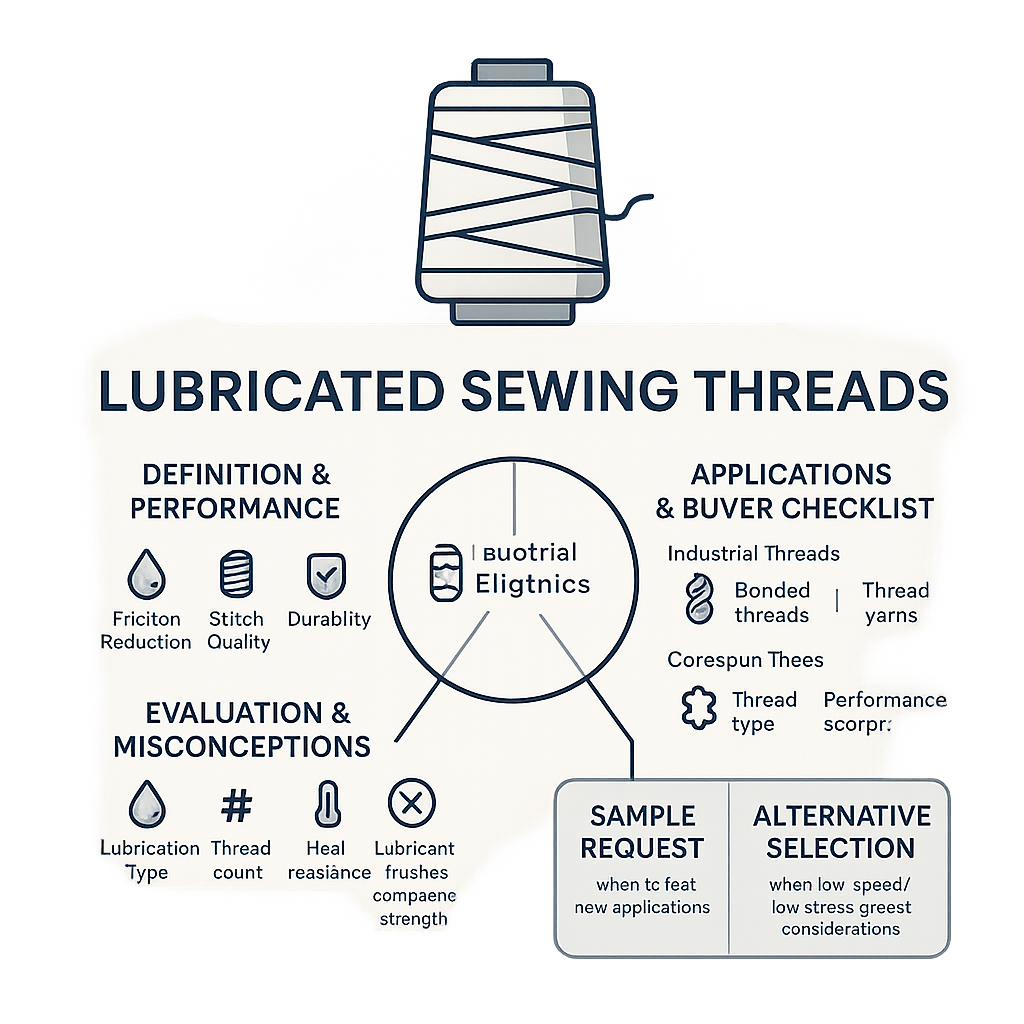
What does lubricant finish mean in sewing thread applications?
In the world of sewing, the term lubricant finish refers to a treatment applied to sewing threads to enhance their performance during the sewing process. This finish can significantly impact the efficiency, durability, and overall quality of the finished product. Understanding lubricant finish is crucial for manufacturers, distributors, and sourcing managers who aim to optimize their sewing operations.
Basic definition
A lubricant finish is a coating or treatment applied to sewing threads, typically made from polyester or nylon, to reduce friction and improve the thread’s glide through fabric and machinery. This treatment can help minimize thread breakage, reduce heat generation during sewing, and improve the overall sewing experience.
Why it matters in sewing performance
The importance of lubricant finish in sewing performance cannot be overstated. Here are a few reasons why it matters:
- Reduced Friction: A lubricant finish helps threads slide smoothly through fabric and machine components, reducing wear and tear on both the thread and the sewing machine.
- Improved Stitch Quality: Threads with a lubricant finish tend to produce more consistent and higher-quality stitches, which is essential for professional-grade sewing applications.
- Enhanced Durability: By minimizing friction and heat, a lubricant finish can prolong the life of the thread, making it a cost-effective choice for high-volume sewing operations.
Where is lubricant finish used?
Lubricant finishes are commonly found in various sewing thread products and applications. Understanding where these finishes are applied can help buyers make informed decisions.
Common sewing thread products or applications
Lubricant finishes are particularly prevalent in the following types of sewing threads:
- Industrial Sewing Threads: Used in high-speed sewing machines, these threads benefit greatly from lubricant finishes to enhance performance and reduce downtime due to thread breakage.
- Bonded Threads: Often used in heavy-duty applications, bonded threads with a lubricant finish provide additional strength and durability.
- Corespun Yarns: These threads, which combine polyester or nylon with a staple fiber, often utilize lubricant finishes to improve their sewing characteristics.
What buyers usually check
When sourcing sewing threads with a lubricant finish, buyers typically consider the following factors:
- Thread Type: Understanding the specific type of thread needed for the application is crucial. Different threads may require different lubricant finishes.
- Performance Specifications: Buyers should look for performance metrics, such as tensile strength, elongation, and abrasion resistance, which can be influenced by the lubricant finish.
- Compatibility: Ensuring that the lubricant finish is compatible with the fabrics and sewing machines used in production is essential for optimal performance.
How to evaluate lubricant finish
Evaluating the lubricant finish of sewing threads involves examining specific characteristics and specifications. Here are key points to consider:
Key points on a specification sheet
- Lubrication Type: Different types of lubricants can be used, such as silicone-based or wax-based finishes. Understanding the type can help in assessing performance.
- Thread Count: The number of plies and the overall thickness of the thread can affect how well the lubricant finish performs.
- Heat Resistance: Some applications may involve high temperatures, so checking the heat resistance of the lubricant finish is important.
Common misunderstandings
There are several common misconceptions about lubricant finishes in sewing threads:
- All Threads Need Lubricant Finishes: Not all sewing applications require a lubricant finish. For example, threads used in low-speed or low-stress environments may not benefit significantly from this treatment.
- Lubricant Finishes Compromise Strength: While some may believe that adding a lubricant finish weakens the thread, the opposite is often true. A well-applied lubricant finish can enhance the thread’s overall durability.
Practical takeaway for sourcing teams
For sourcing teams, understanding when to ask for samples and when another thread type may fit better is essential for making informed decisions.
When to ask for samples
Requesting samples is advisable when:
- Testing a new application or fabric type to ensure compatibility.
- Evaluating performance metrics against specific production requirements.
- Assessing the thread’s behavior under different sewing conditions.
When another thread type may fit better
In some cases, another thread type may be more suitable. Consider alternatives when:
- The sewing application involves low-speed or low-stress conditions, where a lubricant finish may not provide significant benefits.
- Cost considerations dictate the need for a more economical thread option without a lubricant finish.
- Specific fabric types or sewing techniques that may require a different thread structure.
In conclusion, understanding the concept of lubricant finish in sewing threads is vital for optimizing sewing performance and ensuring the right product selection for various applications. By evaluating the specifications, understanding common misconceptions, and knowing when to test samples, sourcing teams can make informed decisions that enhance their sewing operations.