
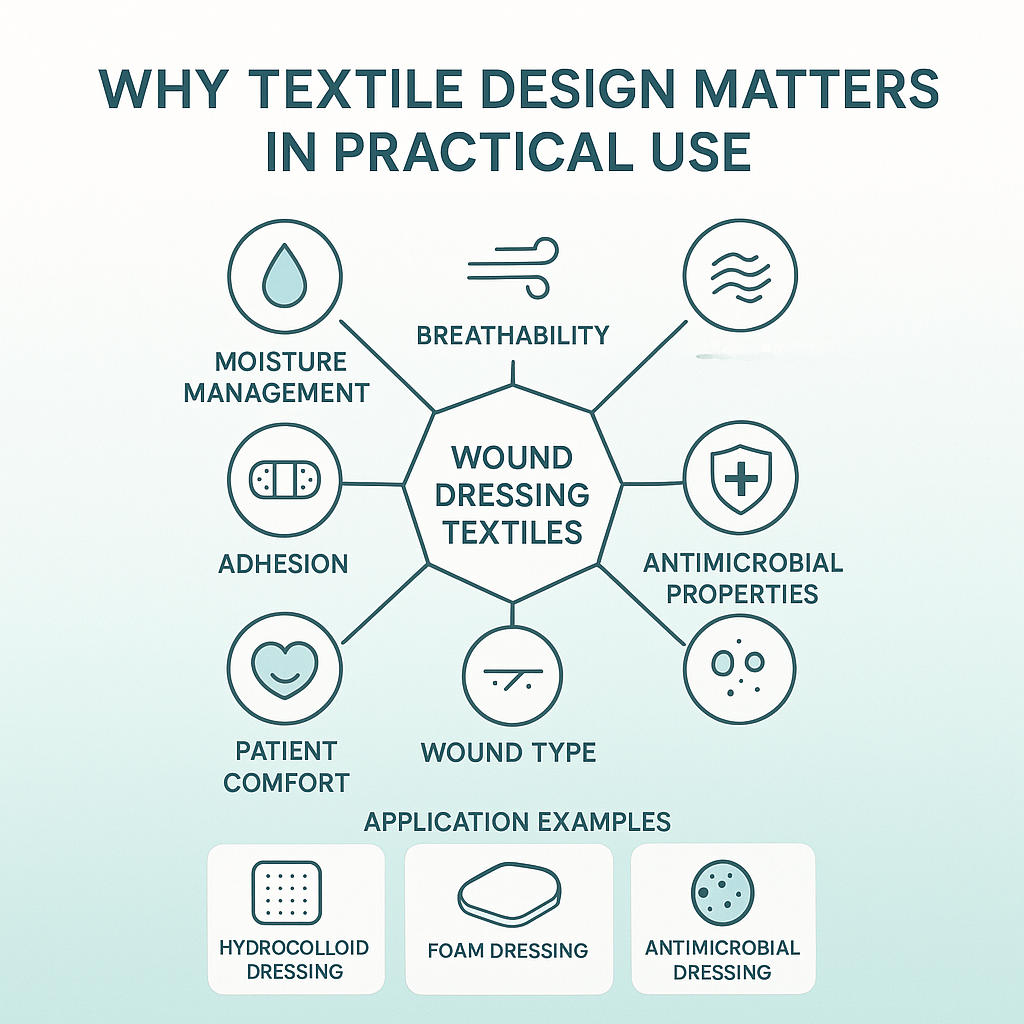
Why this Wound Dressing Textiles Matters in Practical Use
In the realm of healthcare, the choice of wound dressing textiles plays a pivotal role in patient outcomes. These textiles are not merely functional; they are integral to the healing process, influencing factors such as moisture management, infection control, and overall comfort. Understanding the nuances of these materials is essential for healthcare professionals, engineers, and decision-makers involved in the selection and application of medical textiles.
The performance of wound dressings can significantly affect recovery times and the risk of complications. As such, a comprehensive understanding of how textile design impacts these factors is crucial. This article aims to provide insights into the complexities of wound dressing textiles, exploring material selection, application fit, and the trade-offs that must be considered in practical use.
How the Medical Textiles is Typically Defined and Where the Boundaries Really Are
Medical textiles encompass a broad range of materials designed for use in healthcare applications. These textiles can be classified into several categories, including:
- Non-implantable textiles: Used for external applications like wound dressings.
- Implantable textiles: Designed for internal use, such as sutures and meshes.
- Functional textiles: Incorporate properties like antimicrobial treatments or moisture-wicking capabilities.
However, the boundaries of what constitutes medical textiles can often be oversimplified. Many professionals may view medical textiles solely through the lens of their immediate applications, neglecting the underlying material science that informs their performance.
What People Often Oversimplify
A common misunderstanding is that all wound dressing textiles are interchangeable. In reality, the performance characteristics of these materials can vary significantly based on their composition, structure, and intended use. For instance, a dressing designed for a chronic wound may not be suitable for an acute surgical site due to differing moisture management needs and healing environments. This oversimplification can lead to inappropriate material choices, potentially compromising patient care.
Key Materials, Structures, or Design Choices that Shape Performance
The performance of wound dressing textiles is influenced by several key materials and design choices. Understanding these factors can help in selecting the right textile for specific applications.
What Changes the Most from One Application to Another
Different applications demand varying properties from wound dressing textiles. Here are a few critical considerations:
- Moisture Management: Some wounds require a moist healing environment, while others may need to remain dry. Textiles that can effectively manage moisture levels are crucial for optimizing healing.
- Adhesion: The ability of a dressing to adhere to the skin without causing trauma during removal is vital. This property can vary widely among different materials.
- Breathability: Textiles that allow for gas exchange can help prevent maceration and promote healing.
- Antimicrobial Properties: Some dressings incorporate antimicrobial agents to reduce infection risk, which is particularly important in high-risk environments.
Each of these factors can significantly influence the choice of textile for a given application, underscoring the importance of understanding the specific requirements of the wound being treated.
Selection Logic: What to Evaluate Before Choosing a Solution
When selecting wound dressing textiles, several critical factors should be evaluated to ensure optimal performance:
- Wound Type: Assess the nature of the wound—acute vs. chronic, infected vs. non-infected—to determine the appropriate dressing.
- Patient Comfort: Consider the comfort level of the patient, as this can affect compliance with treatment.
- Healing Goals: Define the desired outcomes, such as speed of healing, infection control, and pain management.
- Cost-Effectiveness: Evaluate the cost in relation to the expected benefits, keeping in mind that the cheapest option may not always be the best choice.
By carefully considering these factors, decision-makers can make informed choices that enhance patient care and optimize healing outcomes.
Common Trade-offs to Keep in Mind
In the selection of wound dressing textiles, trade-offs are often necessary. Here are some common considerations:
- Moisture vs. Breathability: While a highly absorbent material may be excellent for managing exudate, it may also limit breathability, leading to maceration.
- Adhesion vs. Trauma: A dressing with strong adhesion may provide better stability but can also cause trauma upon removal, particularly in sensitive skin.
- Cost vs. Performance: Higher-performing materials often come with increased costs. Balancing budget constraints with performance needs is crucial.
Understanding these trade-offs can aid in making more nuanced decisions that align with both clinical and economic considerations.
Application Examples and Practical Takeaways
To illustrate the principles discussed, consider the following examples of wound dressing textiles in practice:
- Hydrocolloid Dressings: These are often used for superficial wounds, providing a moist environment while allowing for some gas exchange. They are effective for managing exudate but may not be suitable for heavily draining wounds.
- Foam Dressings: Ideal for moderate to heavily exuding wounds, foam dressings offer excellent absorbency and cushioning. However, their bulkiness may be a drawback in certain applications.
- Antimicrobial Dressings: Incorporating silver or iodine, these dressings are beneficial for infected wounds but may not be necessary for clean, low-risk wounds.
These examples highlight the importance of aligning material properties with specific wound characteristics and treatment goals.
Conclusion
In summary, the selection of wound dressing textiles is a complex process that requires careful consideration of various factors, including material properties, application fit, and performance trade-offs. By understanding the nuances of medical textiles, decision-makers can enhance patient care and optimize healing outcomes.
As the landscape of medical textiles continues to evolve, staying informed about the latest advancements and best practices is essential. A thoughtful approach to material selection not only improves clinical outcomes but also supports the broader goals of patient safety and satisfaction.
Ultimately, the right choice in wound dressing textiles can make a significant difference in the healing journey, underscoring the importance of informed decision-making in this critical area of healthcare.